Table of Contents
Stage 4 Skin Cancer: How It Spreads and What Happens Next

By Dr. Gajendra Kumar Himanshu


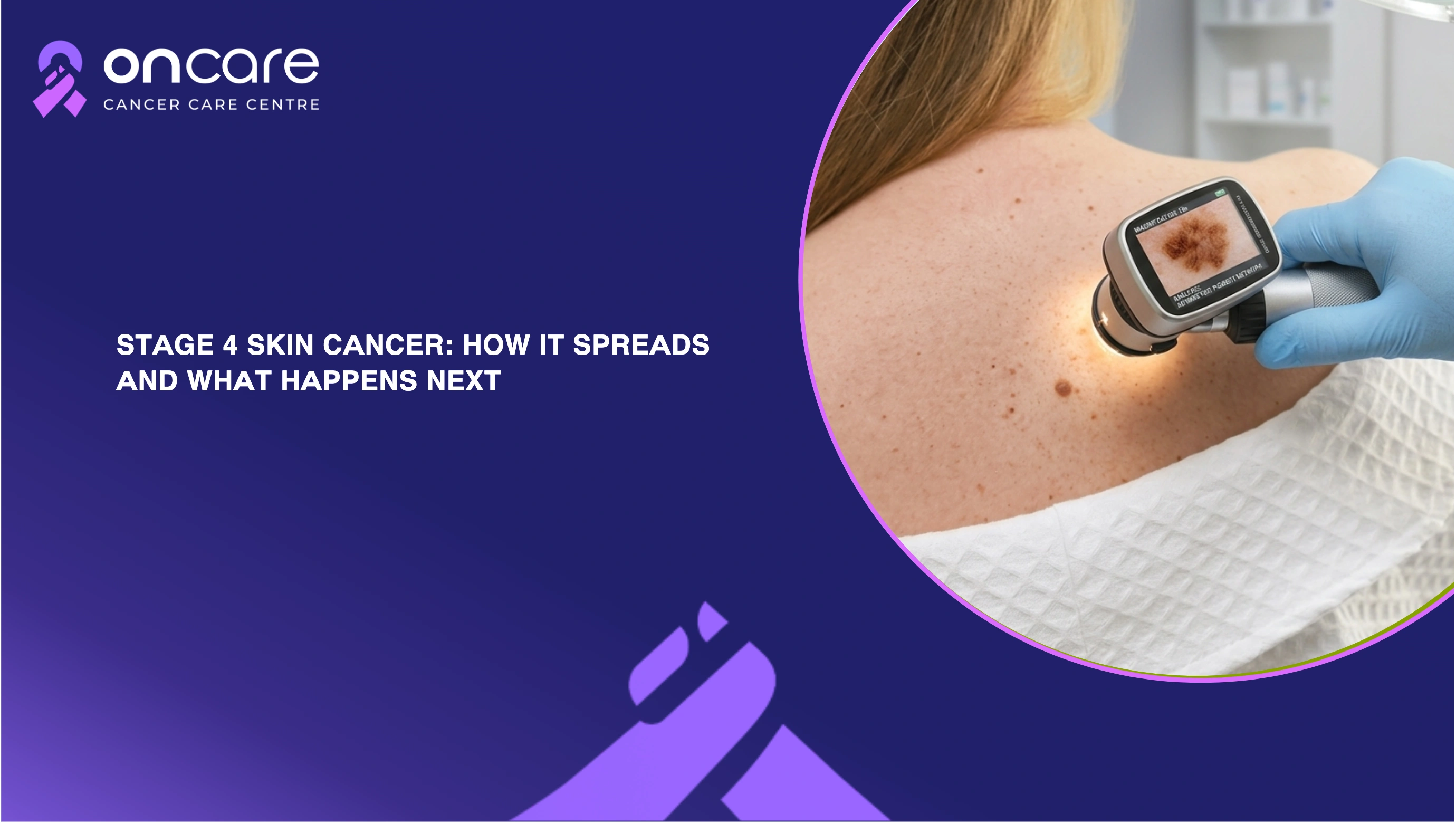
It's normal to feel scared and overwhelmed when you hear the words "stage 4 skin cancer." At this time, the cancer has gotten a lot worse, and it's hard to picture what will happen next. It's crucial to remember, though, that modern medicine has several ways to treat stage 4 skin cancer and give sufferers hope.
Stage 4 skin cancer is the most advanced stage. At this point, the disease has spread to other parts of the body than the skin. People often call this metastatic skin cancer. The diagnosis might be alarming, but knowing how the cancer spreads and what will happen next can help you feel more in control. Finding stage 4 skin cancer early, getting the right treatment, and getting regular medical care are all important parts of controlling the disease.
We will talk about how stage 4 skin cancer spreads, what happens when it gets to this point, and the several available treatment choices.
How Stage 4 Skin Cancer Moves
Stage 4 skin cancer, which is commonly melanoma, happens when cancer cells from the skin travel to other parts of the body. At stage 4, the cancer has already spread to other parts of the body, unlike previous stages when it just affected the skin. The blood or lymphatic system carries this spread.
A mole or dark area on the skin is usually the first sign of melanoma. Cells in this location can become malignant and start to grow over time. If not treated, these malignant cells can get into the bloodstream or lymph nodes and go to other organs, like the lungs, liver, or brain. When cancer has spread this far, it is considerably tougher to treat, but there are still ways to do so.
Knowing how stage 4 skin cancer spreads is important because it helps doctors choose the best way to treat it. Doctors want to extend the patient's life and improve their quality of life by focusing on delaying or preventing the cancer's progress.
What Happens When Skin Cancer Reaches Stage 4?
The outlook changes a lot when skin cancer reaches stage 4. At this point, the cancer has spread beyond the original tumor site. It can also affect the lungs, liver, bones, or even the brain, in addition to the skin. The symptoms of stage 4 skin cancer can be different depending on which organs are impacted.
Patients with skin cancer that has progressed to the lungs may have trouble breathing, a cough that won't go away, or chest pain. If the disease spreads to the liver, it could cause stomach pain, jaundice (yellowing of the skin), or weight loss that can't be explained. If the brain is affected, symptoms can be headaches, seizures, or changes in how you think.
At stage 4, the goal of treatment is not only to get rid of the cancer, but also to make the patient feel better and deal with these symptoms. Doctors engage with the patient to help them comprehend their treatment options and what will happen next.
Choices for Treating Stage 4 Skin Cancer
There are still a lot of ways to treat stage 4 skin cancer, even though it is harder to treat than previous stages. The goal of these treatments is to reduce the cancer's growth, make the symptoms less severe, and make the patient's life better.
Immunotherapy for Skin Cancer Stage 4
Immunotherapy is one of the most promising ways to treat stage 4 skin cancer. This treatment works by making the body's immune system stronger so it can fight cancer. Immunotherapy medications are made to find and stop the signals that help cancer cells avoid the immune system. This lets the body's natural defenses find and kill the cancer cells.
Immunotherapy has worked quite well for many individuals with metastatic melanoma, and many of them have had good results. But not all patients respond the same way, so doctors keep a careful eye on their development and change their treatment programs as needed.
Targeted Treatment
Another way to treat stage 4 skin cancer is using targeted therapy. Targeted therapy works differently than chemotherapy, which kills all fast developing cells in the body. Instead, it focuses on certain chemicals in cancer cells that help them grow and spread. Doctors can stop the cancer from developing and spreading by targeting these chemicals.
People generally utilize this treatment when the cancer has a certain genetic mutation that medications can attack. Some people respond quite well to targeted therapy, but not everyone does.
Chemotherapy
Chemotherapy is another way to treat stage 4 skin cancer. Chemotherapy isn't used as much for melanoma as it is for other types of cancer, although it can help shrink tumors and slow the spread of cancer.
Chemotherapy medications stop cancer cells from growing and dividing, which kills them. Chemotherapy can have adverse effects, but for some people with stage 4 skin cancer, it may be a crucial element of their treatment plan.
Coping with Stage 4 Skin Cancer
Getting a stage 4 skin cancer diagnosis can be very hard on the sufferer and their family and friends. It's just as crucial to cope with the mental and emotional effects of cancer as it is to deal with the physical ones.
Counseling and Emotional Support
After being told you have stage 4 skin cancer, it's common to feel terrified, apprehensive, or unsure about the future. Patients and their families can get through this tough period by getting help from mental health specialists or counselors.
Support groups, whether they be in person or online, can also help you deal with your feelings. Patients can feel less alone and more at ease knowing that they are not fighting this battle alone by talking to other people who are going through the same thing.
Care for the Dying
Palliative care is more about making cancer symptoms better than trying to cure it. Palliative care can help people with stage 4 skin cancer feel better by treating pain, nausea, and other problems that may come up because of the cancer or its therapy.
The goal of palliative care is to make the patient as comfortable as possible, and it can be given combined with other therapies. It is an important aspect of treating stage 4 skin cancer, and it can make the whole process much better for the patient.
Consult Today
It's not easy to acquire a stage 4 skin cancer diagnosis, but patients still have a chance because of new treatments including immunotherapy, targeted therapy, and chemotherapy. Even if the cancer has spread to other parts of the body, good treatments can limit its growth and make life better.
Early discovery, good treatment, and continued care are the most important things for controlling stage 4 skin cancer. If you or someone you care about has been diagnosed with stage 4 skin cancer, it's very important to get the finest care available. Oncare Cancer Hospital helps patients through their journey by offering modern diagnostic services, cutting-edge treatments, and caring support. Oncare Cancer Hospital's goal is to give each patient the best treatment possible, and they do this with a team of experts.





Frequently Asked Questions
The chance of surviving stage 4 skin cancer depends on the patient's overall condition, the treatment options, and how the cancer has spread. Immunotherapy and targeted medicines are harder to use, although many patients do well with them.
People typically think that skin cancer is incurable at stage 4, yet treatments can help control the disease and extend life. Immunotherapy and targeted medicines have enabled numerous patients to extend their lifespan while maintaining a high quality of life.
Doctors use a mix of immunotherapy, targeted therapy, chemotherapy, and palliative care to treat stage 4 skin cancer. The treatment plan changes based on how far the cancer has gone and how well the patient responds to different treatments.
Stage 4 skin cancer symptoms can be different depending on which organs are impacted. Some common signs are pain, tiredness, shortness of breath, weight loss that can't be explained, and headaches.
Written and Verified by:

Dr. Gajendra Kumar Himanshu Exp: 10 Yr
Medical Officer
Book an Appointment
Related Blogs
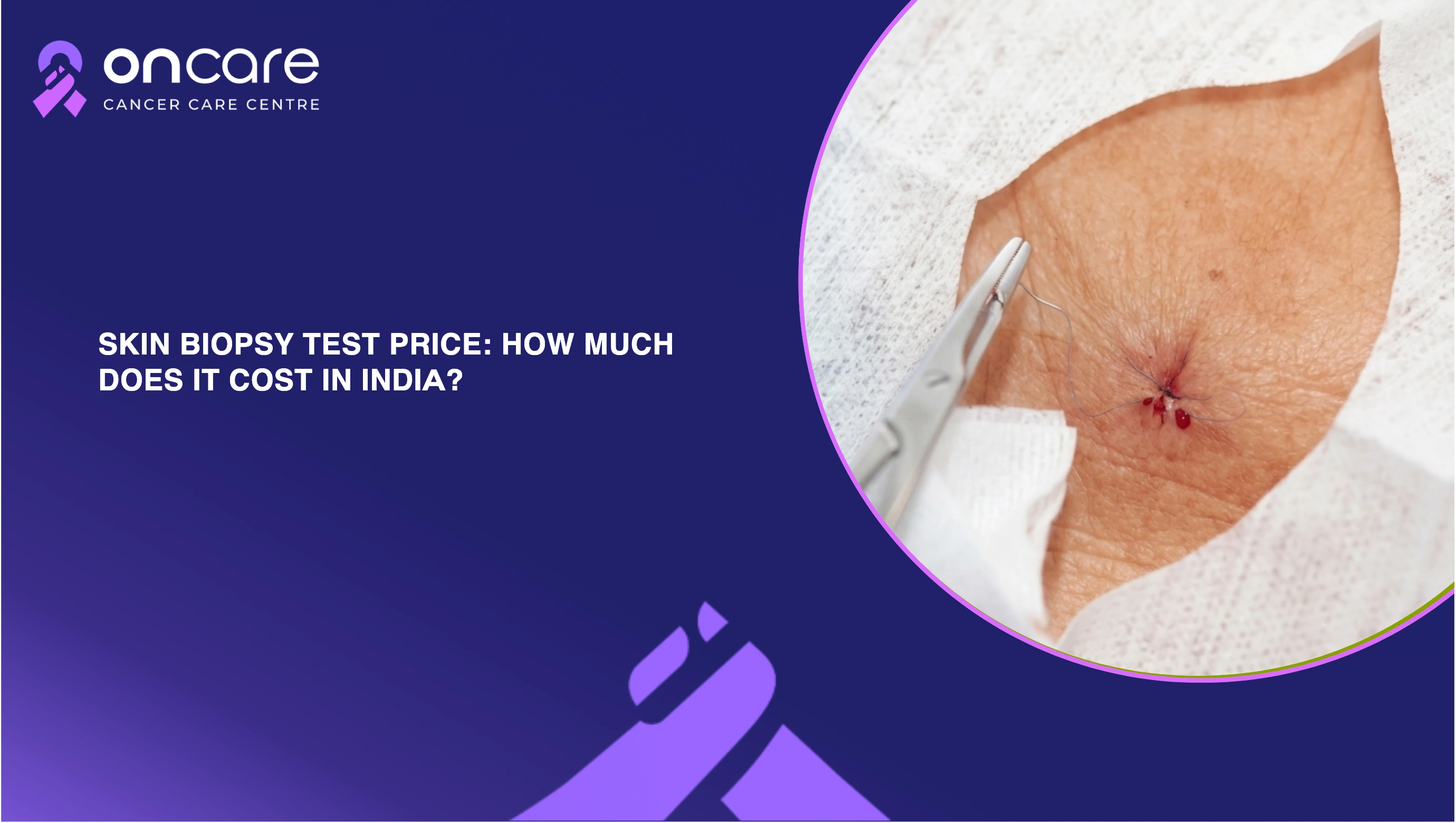
Skin Biopsy Test Price: How Much Does It Cost in India?
Learn about the skin biopsy test price in India, factors affecting cost, and why it is important for diagnosis. Get expert care at Oncare Cancer Hospital.
Stage 1 Skin Cancer: Real Chances of Recovery
Stage 1 skin cancer is an early and highly treatable form of cancer. Learn its symptoms, types, diagnosis, treatment options, and long-term outlook in simple terms.
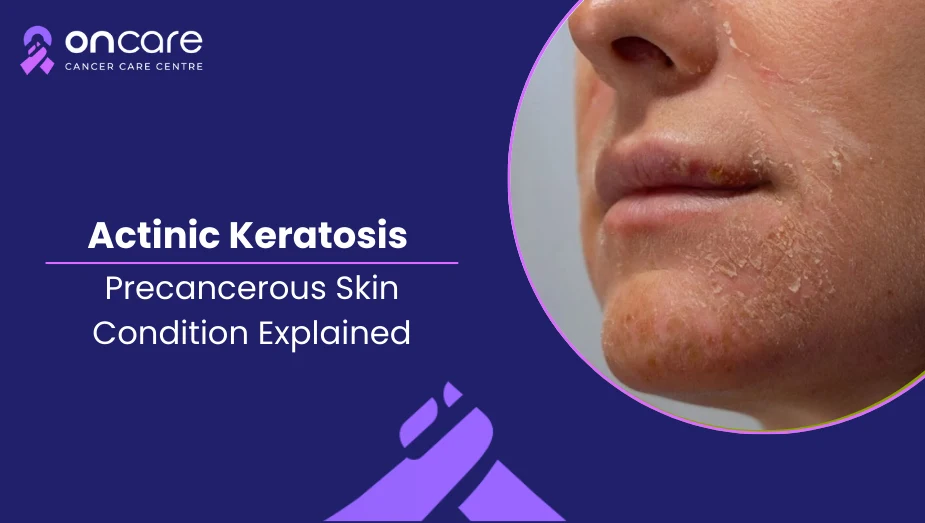
Actinic Keratosis: Precancerous Skin Condition Explained
Discover more about actinic keratosis, and its signs and symptoms, who is at risk of developing this, and its prevention and skin care and why this condition is precancerous!
What Cancers Can Cause Itchy Skin? Is Your Itching a Hidden Red Flag?
Learn what cancer can cause itchy skin, why certain cancers trigger itching, how to tell harmless itching from serious symptoms, and when to see a doctor.