Table of Contents
Stage 4 Lung Cancer Symptoms: Critical Warning Signs

By Raveena M Prakash


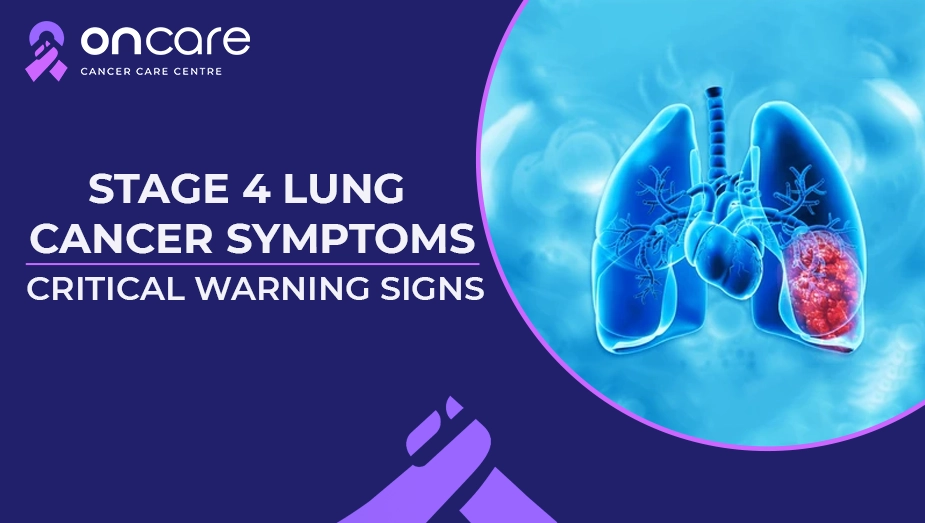
Lung cancer remains one of the leading causes of cancer deaths across the world. Among its stages, stage 4 lung cancer is one of the most advanced and serious forms of the disease. At this stage, the cancer has spread beyond the lungs to distant organs, making recognition of symptoms and timely medical care crucially important.
In this article, we’ll discover more about how diagnosis at this stage can be overwhelming, and knowledge empowers improved decision-making and compassionate care.
What is Stage 4 Lung Cancer?
Stage 4 lung cancer means that cancer cells have metastasized; in simpler terms, the cancer can spread from the lungs to other parts of the body through the bloodstream or lymphatic system. The common sites of spread of cancer include the brain, bones, liver, adrenal glands, and distant lymph nodes.
Stage 4 lung cancer is further divided into:
- Stage 4A: In this stage, the cancer has spread within the chest or to one distant organ.
- Stage 4B: In this stage, the cancer has spread to multiple organs or areas of the body.
Stage 4 lung cancer is generally not considered curable, but modern cancer treatments can slow cancer progression and relieve symptoms, and in some cases, they can significantly extend survival.
Early-Ongoing Lung Related Symptoms
Here are some of the early and ongoing lung related symptoms, including:
Persistent or worsening cough
If you are experiencing a long-lasting cough that does not improve or suddenly becomes more frequent or intense, it is considered a key sign of an early and ongoing lung condition. The cough may be dry or productive, and it can worsen at night during physical activity.
Shortness of breath
If you are someone with a difficulty of breathing that can occur as tumors block airways or as fluid accumulates around the lungs (pleural effusion). Some patients might feel breathless even while resting or performing simple daily activities.
Chest pain or discomfort
Chest pain might feel sharp, dull or aching and often worsen while coughing, laughing or taking deep breaths. Pain can also radiate to the shoulders, or upper back if the nearby nerves get affected.
Coughing up blood
In some cases, patients might experience a presence of blood in the sputum, even in small amounts, which is a serious warning sign. The symptoms should always cause an immediate medical evaluation.
Advanced and Systemic symptoms
Here are some of advanced and systemic symptoms occurs in an advanced stage of patients, including:
1. Extreme Fatigue and Persistent Weakness
Cancer- related fatigue is profound and does not improve with proper rest and sleep. It may be often caused by the cancer itself, anemia and poor nutrition, or side effects of cancer treatments.
2. Unexplained weight loss and loss of appetite
Sudden or unexpected weight loss without any major dietary changes considered common in most patients. Many patients might experience appetite loss, early fullness, or changes in taste, which cause malnutrition.
3. Bone pain
When lung cancer spreads to the bones, it can cause constant deep pain, majorly in the spine, hips, ribs, and legs. The pain might intensify at night during the movement and can increase fracture risk in patients.
4. Brain Metastasis (Neurological symptoms)
If the cancer starts to spread to the brain, the major symptoms may include:
- Persistent or worsening headaches
- Dizziness or balance problems
- Seizures
- Confusion or memory loss
- Changes in vision, speech, or personality
These symptoms might require an immediate medical evaluation, as brain metastases can be life-threatening.
5. Swelling of the face, neck, or arms
The pressure from tumors on major veins, especially the superior vena cava causes swelling, bluish skin color and shortness of breath.
Less clear but Important warning signs to watch out for
Here are some less obvious but important warning signs to watch out for in stage 4 lung cancer patients, including:
- Recurrent infection: In some stage 4 patients, they might experience a series of pneumonia or bronchitis that might occur due to weak immunity or blocked airways, especially in advanced lung cancer.
- Hoarseness or voice changes: In some cases, patients might experience tumors pressing on nerves that control the vocal cords that can cause constant hoarseness or voice change.
- Clubbing of fingers: In some cases, patient’s finger tips might become rounded and enlarged, a health condition often linked to long-term oxygen deprivation.
Emotional and Mental Health Symptoms
Living with Stage 4 Lung Cancer affects both physical and emotional well being of patients. One of the major emotional and mental health symptoms including:
Depression, anxiety and emotional distress
Patients with stage 4 lung cancer often face fear of the future, chronic pain, and physical limitations, which can lead to depression and anxiety. While many patients might feel withdrawn, hopeless, or overwhelmed.
Managing Symptoms and Improving Quality of Life
The stage 4 lung cancer is complex and serious, but the symptom management can significantly improve comfort and daily functioning.
The treatment plans may include:
- Targeted therapy or immunotherapy to slow cancer growth
- Chemotherapy or radiation therapy to reduce tumor size
- Pain management strategies, including some medication to remove blocks
- Oxygen therapy to ease breathing
- Palliative care mainly focuses on symptom relief, emotional support, and quality of life at any stage of illness.
- Palliative care does not mean stopping treatment. These work alongside cancer therapy to support the patient holistically.
When to consult a doctor
Understanding the right time to consult a doctor is crucial, especially when symptoms are persistent, worsening, or unusual. Early medical evaluation can help identify complex conditions such as advanced lung cancer, manage complications immediately, and improve overall treatment outcomes. Never ignore early warning signs that interfere with daily life or cause sudden distress.
Urgent medical attention is required if any of the following symptoms might occur, including:
- Sudden or severe shortness of breath
- Heavy coughing up of blood
- Intense chest pain
- Sudden confusion
- New seizures
- Rapid swelling of the face or neck
If you are experiencing any of the following, get an immediate medical intervention which helps to prevent future complications and ease distress.
Consult Today
Understanding the crucial signs of stage 4 lung cancer often allows patients and families to seek early treatment, manage symptoms proactively, and make informed decisions about treatment and support.
At Oncare, we offer premium-quality cancer treatments, including advanced cancer surgeries, at an affordable price range with an experienced cancer specialist consultation.
If you or any loved ones of yours are diagnosed with cancer, then visit Oncare Cancer Hospital and book an appointment with our experienced cancer specialist today. Get an estimated cost of your cancer treatments today.
Frequently Asked Questions
Lung cancer treatments including surgery, radiofrequency ablation, radiation therapy, chemotherapy, targeted drug therapy and immunotherapy.
Some types of lung cancer can be considered cured if diagnosed before they start to spread, though experts don’t often use the word ‘cured’ to describe cancer. More common terms are ‘remission’ or ‘no evidence of disease’ (NED). If you are in remission or NED for five years or more, you might be considered cured. There’s always a small chance that cancer cells could come back.
Smoking is the leading risk factor for lung cancer; up to 20% of people diagnosed have never smoked. That’s why it’s important to talk to your provider about any concerning symptoms.
Book an Appointment
Related Blogs
Stage 4 Lung Cancer: Advanced Signs and Management
Learn more about stage 4 lung cancer and its symptoms, diagnosis, staging, treatments, how to manage symptoms, lifestyle adjustments, and living with this cancer!
Non-Small Cell Lung Cancer: Real Warning Signs to Watch
Learn more about non-small cell lung cancer and early warning signs to watch out for, who is at higher risk of developing these conditions, and when you should consult a doctor!
Small Cell Lung Cancer: Rapidly Growing But Treatable
Learn more about small cell lung cancer and why it is considered an aggressive type, treatments, and the importance of early detection and smoking cessation.
Lung Cancer ICD-10: Accurate Coding for Diagnosis
Learn more about lung cancer, types of ICD codes for lung cancer, and the common coding errors to avoid, and the best practices for accurate lung cancer coding!