Table of Contents
Stage 4 Lung Cancer: Advanced Signs and Management

By Raveena M Prakash


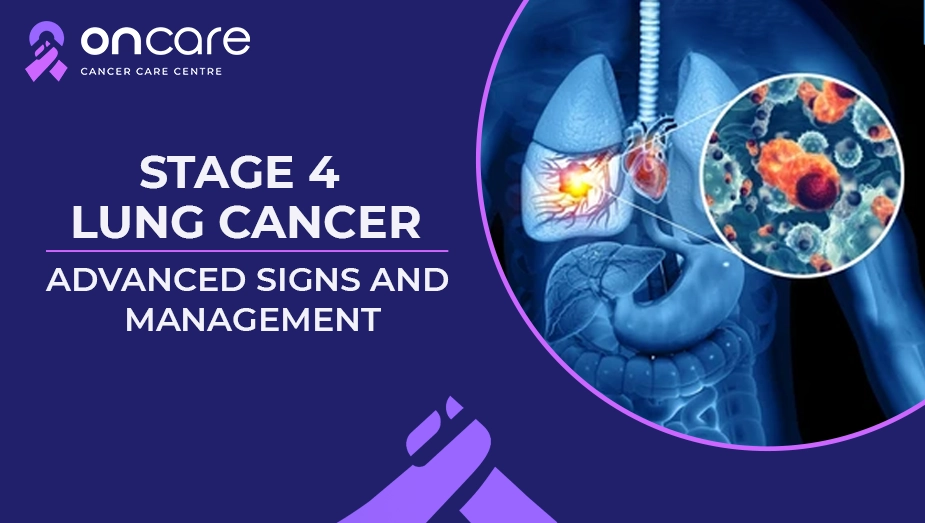
A diagnosis of stage 4 lung cancer can feel overwhelming and life-changing. While at this stage, the cancer has spread beyond the lungs to other parts of the body, such as the liver, brain, bones, or adrenal glands. Stage 4 is often considered advanced, but modern treatments and supportive care can improve the quality of life and manage the symptoms, and in some cases, they can also extend the survival of patients.
In this article, we’ll delve more into the signs, treatment options, lifestyle adjustments, and ongoing strategies that are essential for patients to navigate this challenging journey.
What is Stage 4 Lung Cancer
Stage 4 lung cancer is an advanced and metastatic lung cancer. At this stage, the cancer has spread from the lungs to distant organs like the brain, liver, bones, or other lungs. These can cause symptoms such as intense fatigue, weight loss, pain, and breathing difficulties in patients.
These cancers usually cannot be completely cured, but there are treatments that aim to control growth, relieve signs and symptoms, and maintain the quality of life. Patients at this stage often require a combination of systemic therapies, localized cancer treatments, and supportive care designed to their individualized health profile.
Common signs and symptoms
In stage 4 lung cancer, the cancer has already spread (metastasized to other organs), while the symptoms can vary depending on the organs affected.
Common signs include:
- Persistent cough or changes in chronic cough:
- Shortness of breath or wheezing
- Chest pain or discomfort
- Fatigue and unexplained weight loss
- Bone pain
- Loss of appetite or nausea
- Headaches and dizziness
Early detection of these symptoms can help the patients and their families to start timely medical interventions, manage future health complications, and improve the quality of life.
Diagnosis
An accurate staging is crucial for planning an effective cancer treatment. A stage 4 cancer diagnosis often involves:
- Imaging tests: CT scan, PET Scan, and MRI (especially for brain or bone involvement)
- Biopsy: Performing a biopsy can confirm the type of lung cancer (non-small cell vs. small cell)
- Molecular and genetic testing: Performing these tests help to check for markers like EGFR, ALK, ROS1, and PD-L1 to determine if targeted therapy or immunotherapy is appropriate.
- Blood tests and organ function tests: These tests are used to help to evaluate the liver, kidney, and overall health before treatments.
Performing these tests helps to create a personalised treatment plan designed to slow down the cancer progression and manage symptoms effectively.
Treatments
Stage 4 lung cancer is also an advanced/metastatic lung cancer. Performing several treatments can control the disease and improve the quality of life.
Chemotherapy: These treatments are used to target and destroy cancer cells throughout the body. These treatments are often combined with other therapies to get more effectiveness.
Targeted therapy: These treatments use drugs that attack cancer cells with unique mutations such as EGFR or ALK. This treatment approach helps to slow the cancer growth and reduce the side effects compared to standard chemotherapy treatments.
Immunotherapy: These treatments help the immune system to recognize and attack cancer cells. These treatments are often used for cancers expressing PD-L1.
Radiation therapy: Performing these treatments can reduce the tumor size, relieve pain, and manage metastases in the brain or bones.
Palliative and cancer supportive care: These are generally used to manage pain and symptoms, nutrition, breathing support, and emotional well-being. This involves a team of cancer specialists, nurses, physiotherapists.
Managing advanced symptoms
Here are some of key strategies to managing an advanced lung cancer, including:
- Pain and symptom management: Use pain relieving medicines, and also treat nerve blockages and localized radiation affected to the bones.
- Breathing support: Practise breathing exercises and oxygen therapy in patients.
- Nutrition: Small, frequent and high-protein meals to be included in your diet to maintain energy and prevent weight loss.
- Fatigue management: Practice gentle activities, and get enough rest periods, and if needed, get occupational therapy as well.
- Emotional and mental support: If needed, get professional support to enhance patients moods, get counseling, therapies, meditation and support groups for patients and caregivers.
Always planning ahead and discussing the potential treatments and along with that set realistic goals for patients and their families.
Lifestyle adjustments
Even in stage 4, changing the lifestyle adjustments can help support treatment and improve the overall well-being of the patients.
Here are some of the positive lifestyle adjustments that can improve the quality of life, including:
- Quit smoking: If you are someone into heavy smoking, if possible stopping smoking can improve the response to treatment and lung function of patients.
- Balanced diet: Add a healthy diet, include more fruits, vegetables, protein-rich foods and hydration to support the healing.
- Practise gentle exercises and activities: Walking or practising gentle physical activities can reduce the fatigue and improve the overall mood of the patients.
- Avoid infections: As we all know, Stage 4 patients might have a weakened immune system, so using vaccinations and hygiene are important.
- Balancing mental health: If you are feeling anxious or worried more than usual, then trying to do journaling, meditation, and counseling can reduce anxiety and depression.
Living with Stage 4 Lung Cancer
As we all know, every patient’s treatment journey is unique and different. While an advance in targeted therapy, immunotherapy, and supportive care has improved the treatment outcomes in many patients, in some cases, it also helps to extend life significantly.
Here are some of the key points to take into consideration, mainly for patients and caregivers, including:
- Always keep a journal to track the side effects, pain or new symptoms
- Keep an open communication with your medical team
- Focus on small, achievable goals to maintain your self confidence
- Build a strong network support of family, friends and patient groups
Even in advanced stages, hope, comfort, and quality of life are possible. Modern cancer therapies allow many cancer patients to live meaningful and thoughtful lives while navigating this challenging journey.
Consult Today
A stage 4 lung cancer diagnosis is undoubtedly challenging, but it doesn’t mean you are losing all to cancer. With the help of advanced cancer treatments, careful symptom management, and compassionate care support can enhance the quality of patients' lives, relieve pain, manage the symptoms, and sometimes extend survival. While staying informed, proactive, and supported is crucial for both patients and their families.
At Oncare, we offer premium- quality cancer treatments, including advanced cancer surgeries, at an affordable price range with an experienced cancer specialist consultation.
If you or any loved ones of yours are diagnosed with cancer, then visit Oncare Cancer Hospital and book an appointment with our experienced cancer specialist today. Get an estimated cost of your cancer treatment today!
Expert Insights by Dr. Raajit Chanana
Frequently Asked Questions
Stage 4 lung cancer signifies that the cancer has spread from the lungs to distant organs such as the brain, liver, bones, or other lungs, often causing severe symptoms such as intense fatigue, significant weight loss, pain, and breathing difficulties.
Here are some of the treatments used in stage 4 lung cancer, including immunotherapy, targeted therapy, chemotherapy, radiation therapy and palliative care.
Here are some of the symptoms depending on the cancer has metastasized, including brain metastasis, liver metastasis, bone metastasis, respiratory conditions like chronic coughing, and other symptoms including hoarseness, swelling in the neck and face.
Book an Appointment
Related Blogs
Non-Small Cell Lung Cancer: Real Warning Signs to Watch
Learn more about non-small cell lung cancer and early warning signs to watch out for, who is at higher risk of developing these conditions, and when you should consult a doctor!
Small Cell Lung Cancer: Rapidly Growing But Treatable
Learn more about small cell lung cancer and why it is considered an aggressive type, treatments, and the importance of early detection and smoking cessation.
Lung Cancer ICD-10: Accurate Coding for Diagnosis
Learn more about lung cancer, types of ICD codes for lung cancer, and the common coding errors to avoid, and the best practices for accurate lung cancer coding!
Stage 3 Lung Cancer: How It Spreads and What Happens Next
Learn more about lung cancer and stage 3 symptoms, how stage 3 lung cancer spreads, treatments and the side effects, and the importance of emotional impact!