Table of Contents
Stage 4 Colon Cancer Treatment: Latest Options and Care Guide

By Dr. Gajendra Kumar Himanshu


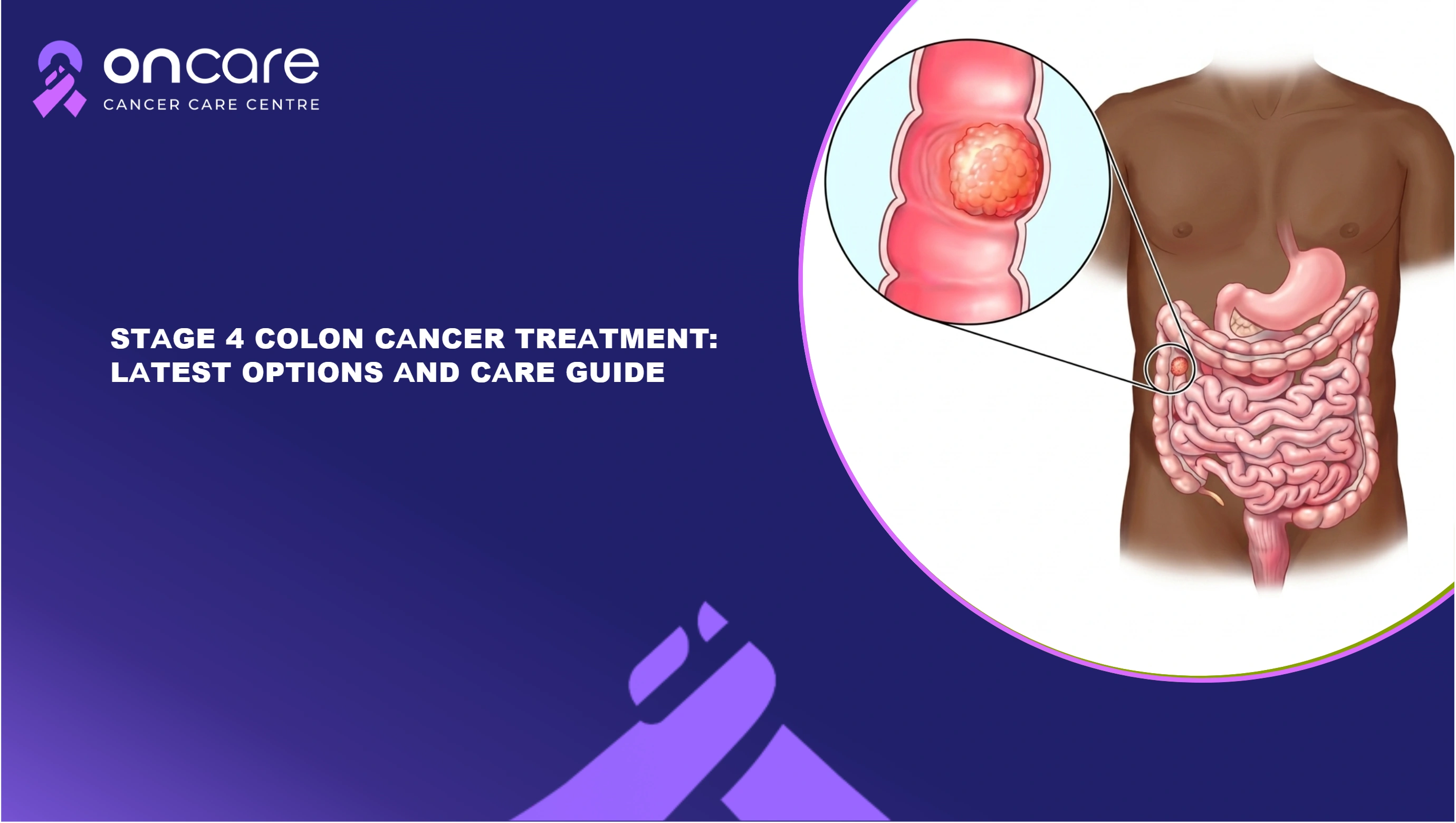
It might be hard to hear that someone has stage 4 colon cancer. A lot of the time, patients and their families worry right away about what will happen next and if treatment will still work. Stage 4 cancer signifies that the disease has spread to other parts of the body. However, medical technology has come a long way in the last few years. There are now several innovative ways to treat stage 4 colon cancer that can help manage the disease, lessen symptoms, and make life better.
Doctors today not only treat cancer, but they also try to help patients live longer and more comfortably. Many people can keep doing their everyday activities and manage their sickness with the correct treatment strategy. Patients can make better choices and feel more secure during their treatment path if they know what their alternatives are for stage 4 colon cancer treatment.
This article talks about the newest ways to treat stage 4 colon cancer, how they work, and what kind of care patients might get at this time.
Learning about Stage 4 Colon Cancer and How to Treat It
The most advanced stage of colon cancer is stage 4. At this point, the cancer has moved from the colon to other parts of the body, like the liver, lungs, or lymph nodes that are far away. Even though the cancer has spread, treatment for stage 4 colon cancer is still highly crucial.
The major goals of stage 4 colon cancer treatment are to control the cancer, reduce its progress and make the patient's life better. In certain situations, treatment can even make tumors small enough for surgery or other targeted treatments.
Doctors frequently make a treatment plan that is unique to each patient depending on a number of things. These could be things like where the disease has spread, how healthy the patient is overall, and how well the cancer reacts to treatment. Because every person is different, treatment options for stage 4 colon cancer are carefully developed to fit each person's needs.
Chemotherapy as a Primary Treatment for Stage 4 Colon Cancer
Chemotherapy is a frequent way to treat stage 4 colon cancer. This treatment employs strong drugs to kill cancer cells or stop them from developing. Chemotherapy chemicals move through the blood and get to cancer cells all over the body.
Chemotherapy can be used on its own or alongside additional treatments, like targeted therapy. Chemotherapy can often make tumors smaller and halt the progression of disease. This can help people with stage 4 colon cancer feel better and survive longer while they are getting therapy.
Patients may have chemotherapy in cycles that last for weeks or months. Doctors keep a tight eye on the patient during therapy to handle side effects and make any necessary changes.
Targeted Therapy for Treating Advanced Colon Cancer
Targeted therapy is another key way to treat stage 4 colon cancer nowadays. Targeted therapy, on the other hand, works on specific proteins or genes that help cancer grow.
These drugs stop signals that let cancer cells grow and divide. They may have fewer adverse effects than certain other treatments since they only target certain cancer cells. To gain better results in stage 4 colon cancer treatment, doctors often mix targeted therapy with chemotherapy.
To find out if a patient's tumor has certain genetic traits, doctors frequently do special testing. These tests help figure out if targeted therapy will work to treat stage 4 colon cancer.
Immunotherapy and New Medical Advances in the Treatment of Stage 4 Colon Cancer
Immunotherapy is a new way to treat stage 4 colon cancer that helps the immune system attack the disease. The immune system usually defends the body from bad cells, but cancer can sometimes get away from it.
Immunotherapy drugs make it easier for the immune system to find and kill cancer cells. This treatment might be especially effective for people whose tumors have certain hereditary traits.
Immunotherapy isn't right for every patient, although it has worked well in some cases of advanced colon cancer. Researchers are still looking into new immunotherapy medicines and combinations to make stage 4 colon cancer treatment more effective.
Stage 4 Colon Cancer Surgery and Other Helpful Treatments
Even with stage 4 colon cancer, surgery may still be part of the treatment approach. In some circumstances, surgeons may take out the main tumor in the colon or tumors that have migrated to other organs, like the liver.
Surgery might assist with symptoms like discomfort, bleeding, or blockage in the intestines. If chemotherapy lowers tumors enough, surgery may be an option later on as part of stage 4 colon cancer treatment.
Stage 4 colon cancer treatment may also include other treatments like radiation therapy, pain management, and nutritional support. These extra therapies help patients feel better and have a higher quality of life while they are getting therapy.
Why Supportive Care Is Important During Stage 4 Colon Cancer Treatment
Having advanced cancer can be hard on both your body and mind. That is why supportive care is so vital during stage 4 colon cancer treatment.
Supportive care is all on making the patient feel better, managing side effects, and easing symptoms. During stage 4 colon cancer treatment, this could mean pain relief, nutritional advice, emotional support, and counseling.
Many hospitals also offer palliative care to make patients more comfortable while they are getting treatment. These services work with medical treatments to make the patient's daily life better.
Family support, regular checks with doctors, and being able to talk to them openly can all help a lot at this time. Many people with stage 4 colon cancer can still have meaningful and active lives while getting treatment if they get the right care and advice.
Consult Today
Stage 4 colon cancer is a serious disease, but modern medicine has come up with several good ways to treat it. Chemotherapy, targeted therapy, immunotherapy, and surgery are some of the treatments that can help control the disease and make life better.
Because every patient is different, it's crucial to get care from knowledgeable cancer specialists who can create a unique stage 4 colon cancer treatment plan for you. Patients can better manage their disease with early medical advice, the right treatment, and supportive care.
Oncare Cancer Hospital offers specialist services, skilled doctors, and full support to assist patients get the best possible therapy for stage 4 colon cancer and other types of cancer.





Frequently Asked Questions
Chemotherapy is typically the primary treatment for stage 4 colon cancer. It might also be used alongside immunotherapy or targeted therapy.
Yes, you can treat stage 4 colon cancer. Stage 4 colon cancer treatment can control the disease and help people live longer, even if it may not always be cured.
Surgery may be performed to remove tumors or lessen symptoms in some situations, especially if the cancer has only spread to a few places. This is part of stage 4 colon cancer treatment.
Every patient has a different amount of time to live. Many people with stage 4 colon cancer can survive longer and have a higher quality of life because of contemporary treatment.
Written and Verified by:
Dr. Gajendra Kumar Himanshu Exp: 10 Yr
Medical Officer
Book an Appointment
Related Blogs
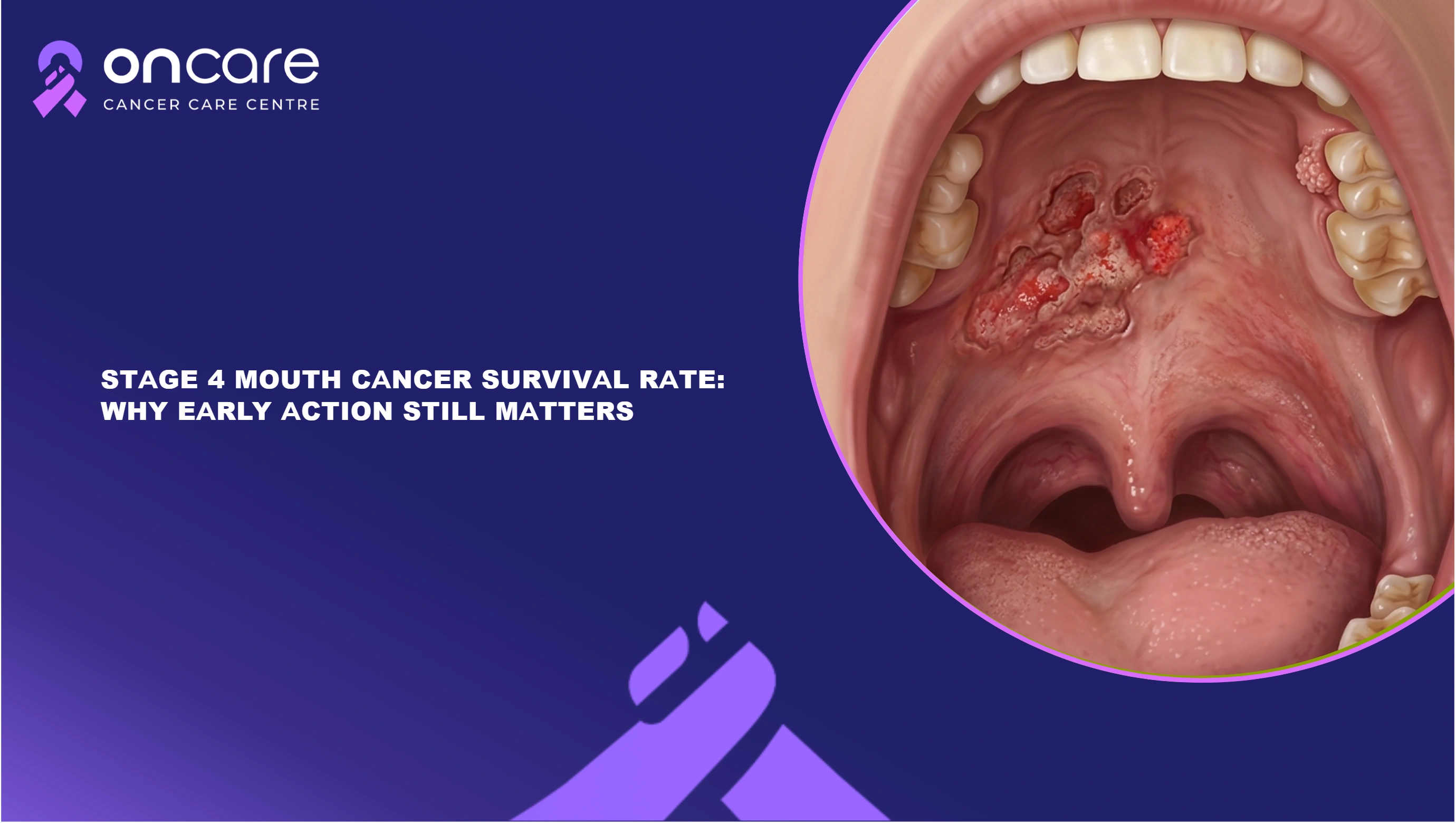
Stage 4 Mouth Cancer Survival Rate: Why Early Action Still Matters
Learn about the stage 4 mouth cancer survival rate and how early treatment, care, and support can improve outcomes. Get expert help at Oncare Cancer Hospital
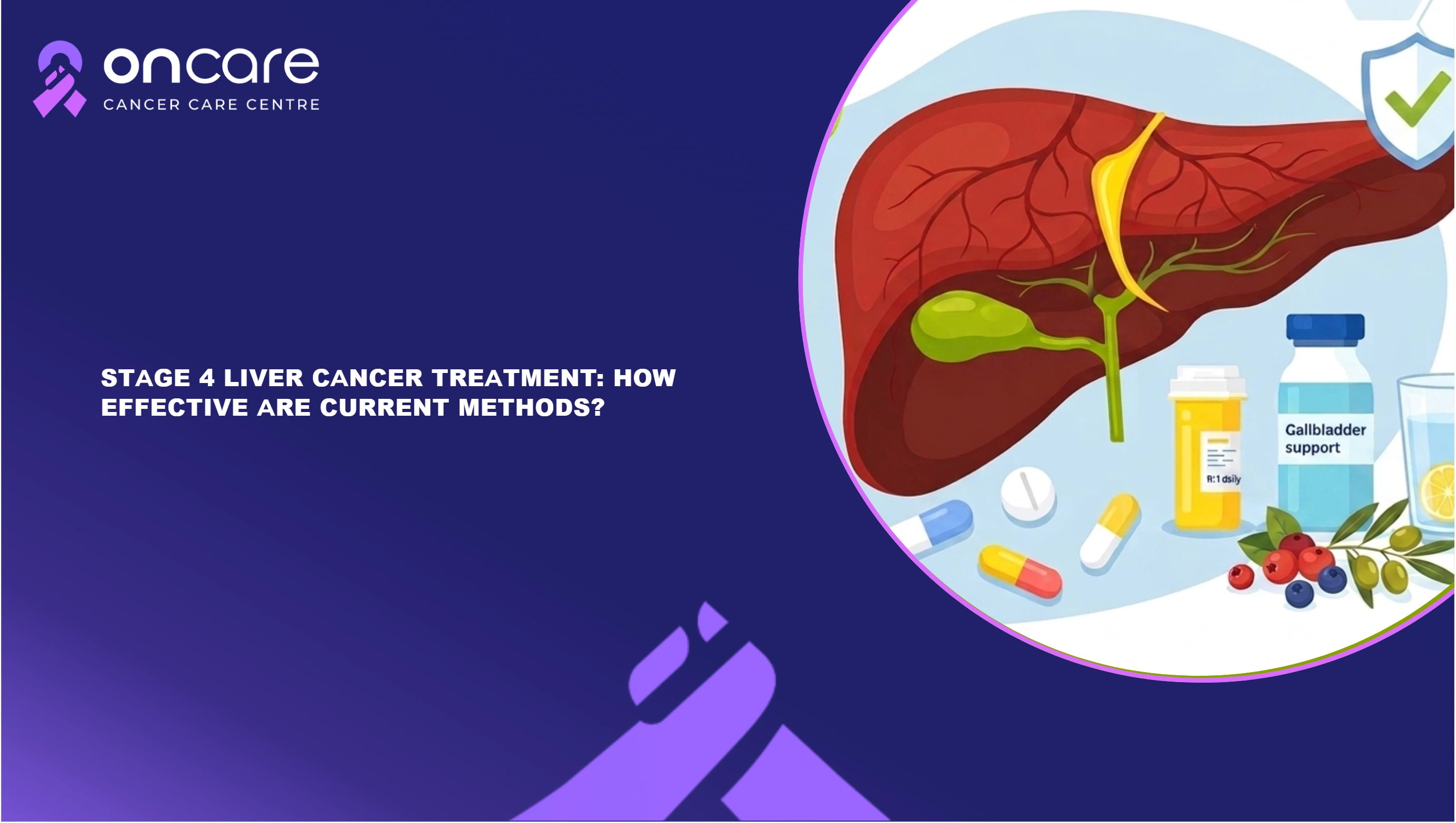
Stage 4 Liver Cancer Treatment: How Effective Are Current Methods?
Explore stage 4 liver cancer treatment options like immunotherapy and targeted therapy. Consult experts at Oncare Cancer Hospital for advanced care.
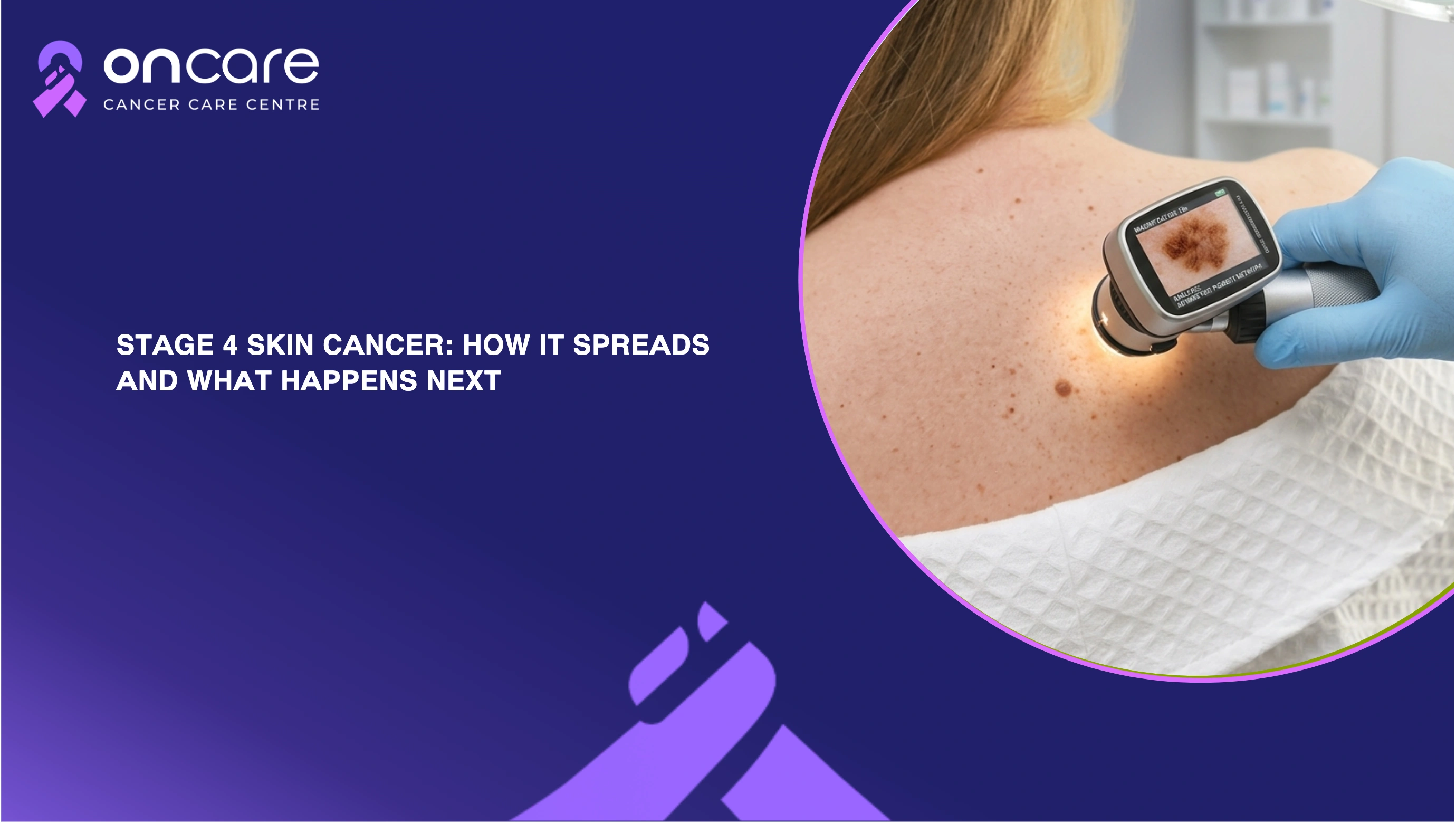
Stage 4 Skin Cancer: How It Spreads and What Happens Next
Learn about stage 4 skin cancer, how it spreads, symptoms, and advanced treatment options like immunotherapy and targeted therapy at Oncare Cancer Hospital.
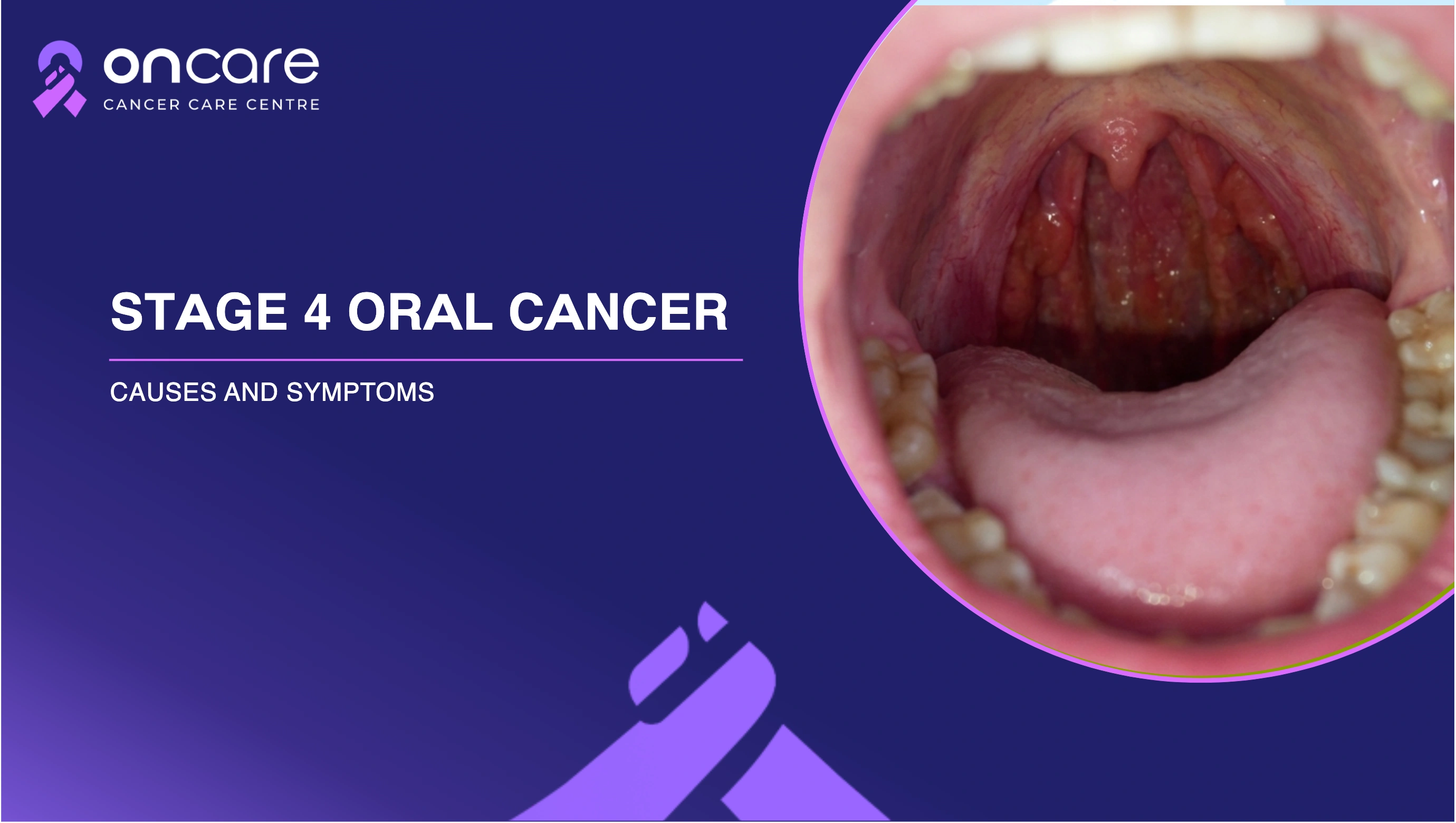
Stage 4 Oral Cancer: Causes and Symptoms
Learn about stage 4 oral cancer causes and symptoms, warning signs, risk factors, and when to see a doctor. Early action can improve treatment outcomes.