Table of Contents
Stage 3 Cervical Cancer Symptoms: A Complete Overview

By Prashant Baghel


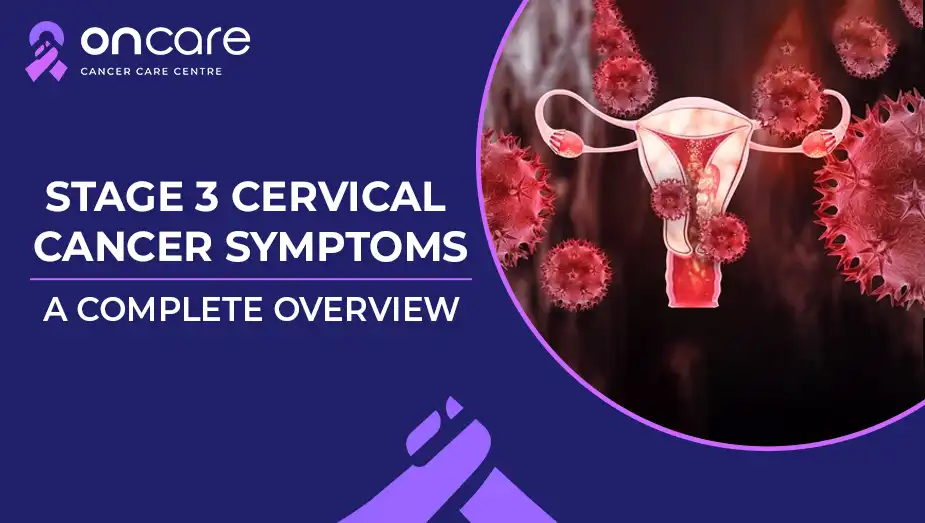
When they first hear the words "stage 3 cervical cancer," a lot of women feel afraid and confused. The mind is full of questions, and it might be hard to figure out what's going on within the body. The reality is that this period has a lot of symptoms that are easy to feel, and learning about them early might help you do the appropriate thing. You feel more ready, calm, and able to help yourself or someone close to you when you know what each symptom indicates.
Stage 3 cervical cancer is bad, but it's not the end. Many women are still getting therapy, managing their symptoms, and living important and positive lives. This article covers all the critical stage 3 cervical cancer symptoms that you need to know, how the body behaves at this point, and why getting medical help early makes a major difference.
What it Means to Have Stage 3 Cervical Cancer
Stage 3 cervical cancer signifies that the cancer has progressed from the cervix to adjacent locations. It could go as far down as the pelvic wall, the tubes that deliver urine to the bladder, or the lymph nodes. It is still possible to treat it, and many women do well with treatment when they start right away.
At this point, the tumor grows larger and may contact or press on the organs around it. That's why the stage 3 cervical cancer symptoms get worse and easier to see. Every woman may have distinct symptoms, but most of them happen because the cancer is harming the nerves, tissues, and organs near the cervix.
There are some Stage 3 cervical cancer symptoms
Bleeding from the Vagina That Is Not Normal
Unexpected vaginal bleeding is one of the most common signs of stage 3 cervical cancer symptoms. A lot of women experience bleeding that happens at times when it shouldn't. It can happen after sex, between cycles, or after menopause. The tumor irritates the cervix and hurts the tissues around it, which causes this bleeding.
Some ladies don't pay attention to this bleeding at first since they think it's just a little alteration in hormones. If you see any bleeding that seems strange or happens more than once, you should see a doctor. Getting care early will help you figure out what's going on inside your body before the symptoms get worse.
Pain in the Lower Abdomen, Pelvis, or Back
As stage 3 cervical cancer symptoms get worse, pain happens more often. The tumor grows and pushes on the organs around it, taking up more space. Women frequently experience discomfort in the pelvic, lower back, or lower abdomen. At first, the pain might not be very bad and be easy to deal with, but it will get worse or happen more often.
Some women say it feels like period pain, but the difference is that this ache doesn't go away quickly and often grows worse. The discomfort might also move to the hips or down the legs if the tumor hits nerves in the pelvis.
Strange Vaginal Discharge
One further essential sign is an irregular discharge from the vagina. The discharge could be watery, thick, or have blood in it. Some ladies perceive a strong or bad fragrance. This happens when the tumor changes the tissues in the cervix and stops them from working properly.
It's always preferable to get checked out if your discharge seems different from what you're used to. Changes in discharge that happen all of a sudden aren't necessarily due to an infection. They can sometimes indicate indicators of cervical cancer that need to be treated right away.
Having Pain or Discomfort During Sex
A lot of women with stage 3 cervical cancer have discomfort when they have sex. The tumor hurts and makes the tissues inside the cervix sensitive. This pain could start off as mild and get worse with time. Women typically overlook it at first because they think it's just stress or dryness. But you shouldn't ignore discomfort that happens during sex over and over again.
Hardship Peeing or Pain When You Pee
When stage 3 cervical cancer symptoms progress, it can put pressure on the bladder or restrict the ureters. The ureters are long tubes that move urine from the kidneys to the bladder. Urine can't flow easily when it gets plugged. This can make it hurt to urinate, make it hard to start urinating, or make you feel like your bladder is never empty.
The kidneys may enlarge if the occlusion gets worse. This might cause acute discomfort in the lower back or a feeling of pressure on the sides of the body. You should see a doctor right away if you have these symptoms, since obstructed kidneys can lead to significant health concerns.
Having Trouble Passing Stools or Pain in the Rectum
The cervix is quite close to the rectum. In stage 3 cervical cancer, the tumor may press on the rectum if it is involved. This makes it hard to have a bowel movement and may hurt when you try to go to the restroom. Some women also see blood in their stool or feel pressure in their pelvis all the time. When the tumor becomes bigger, these symptoms usually get worse.
Always Tired and Low in Energy
At this point, many women have to deal with fatigue every day. The body is busy fighting the cancer, which takes a lot of energy. Even after resting, women may still feel exhausted. You can find it hard to do simple things like walk, cook, take a bath, or stand for a long time.
Another reason you could be wary is that your blood count is low. The body makes fewer red blood cells if the cancer causes bleeding or damages the bone marrow. This makes you weak, dizzy, and exhausted all day long.
Pain That Moves to the Legs or Hips
Pain might go to the hips, thighs, or legs as the tumor pushes on nerves in the pelvic area. Some women say it feels like a searing, scorching, or shooting pain that moves down one side of the body. Some people report numbness or tingling in their legs. This symptom usually means that the malignancy is damaging the nerves around the pelvic wall.
Legs That Are Swollen
Lymph nodes might be affected by stage 3 cervical cancer symptoms. These nodes assist the body in getting rid of excess fluid. When they are blocked, fluid builds up in the legs, making them swell. Lymphedema is the name for this swelling. The legs could feel heavy, tight, or painful. If the lady stands for a long time, her swelling may get worse, and walking may hurt.
Weight Loss and Loss of Appetite That Can't Be Explained
A lot of women with stage 3 cervical cancer lose weight without even trying. The body burns more calories to combat cancer, which makes you less hungry. Women may get full quickly, feel sick, or throw up, which makes it hard to eat. Over time, this makes you lose weight, feel weak, and have less strength.
Consult Today
Stage 3 cervical cancer symptoms can be hard to deal with, but knowing them early on can help you make the correct choices. A lot of women still respond effectively to treatment and lead meaningful lives. The most important thing is to detect the signs, obtain medical assistance right away, and stay mentally strong with the help of family and doctors.
Oncare Cancer Hospital has some of the greatest treatment choices for women with stage 3 cervical cancer. They offer sophisticated care, expert advice, and complete support.
Frequently Asked Questions
The first and most typical sign is unusual bleeding from the vagina.
Yes, a lot of women have a lot of discomfort in their pelvic area, back, or during sex.
Yes, a lot of women do well with radiation and chemotherapy.
It depends, but starting therapy early can help stop it from getting worse.
Book an Appointment
Related Blogs
Stage 3 Cervical Cancer: What Happens in This Advanced Stage?
Learn about stage 3 cervical cancer in simple words. Understand symptoms, diagnosis, treatment, and emotional changes. Get clear guidance and trusted care options.
Stage 4 Colon Cancer Symptoms: Signs You Must Recognize
Learn the real signs of stage 4 colon cancer symptoms in simple words. Understand physical changes, advanced stage problems, and how to support your loved one with the right care.
Stage 3 Stomach Cancer: What Patients Wish They Knew Before Treatment
Discover more about Stage 3 stomach cancer and understand more about this stage and prepare for treatment, nutrition, and power of emotional and mental support!
Stage 3 Cancer Treatment: Options, Procedures, and Recovery
Discover more about stage 3 cancer treatment and what to expect during treatments and its recovery and life after cancer treatments, outlook, and hope for stage 3!