Table of Contents
Stage 3 Cervical Cancer: What Happens in This Advanced Stage?

By Prashant Baghel


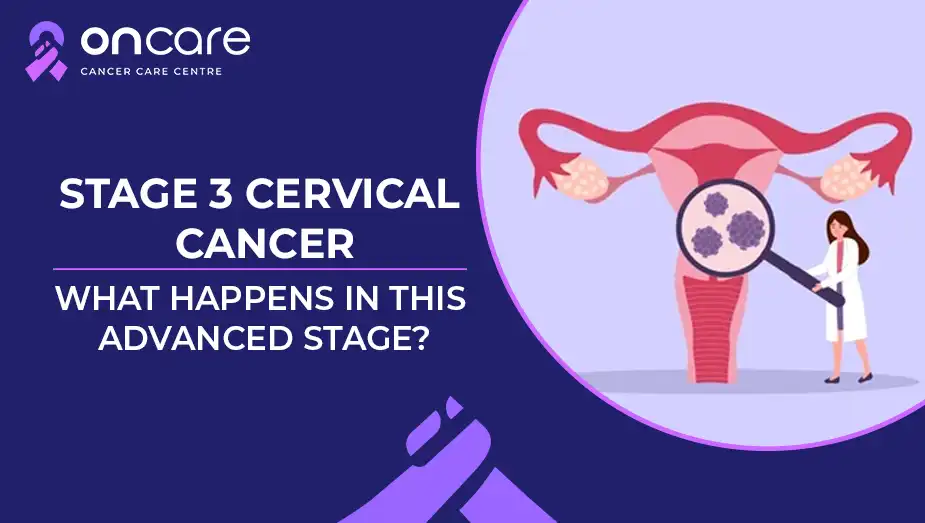
Anyone who hears the words "stage 3 cervical cancer" may feel astonished, afraid, and not know what to do next. Families typically desire clear and simple information so they can completely comprehend what this stage means. A lot of people think that stage 3 is the end; however, that's not the case. After getting the correct treatment and support, a lot of women still have meaningful lives. At this point, it's crucial to know what happens, what symptoms may appear, how the body reacts, and what type of care is needed.
This article explains stage 3 cervical cancer in very basic terms so that you can feel confident, knowledgeable, and ready to help yourself or someone you care about.
What Stage 3 Cervical Cancer Is
Stage 3 cervical cancer is a worse type of the illness. The malignancy has now expanded to areas close to the cervix. It might spread all the way down to the pelvic wall, the bottom of the vagina, or it could block the tubes that transfer urine from the kidneys to the bladder. It has spread, but it can still be treated, and with the correct care, many women fare well.
Stage 3 is made up of three parts: stage 3A, stage 3B, and stage 3C. Stage 3A means that cancer has progressed to the lower vagina but not the pelvic wall. Stage 3B signifies that it has spread to the wall of the pelvis or clogged the ureters. The cancer has progressed to the lymph nodes at stage 3C. This stage will help you make the proper decisions about your treatment and recovery.
Common Signs of Stage 3 Cervical Cancer
The signs and symptoms of stage 3 cervical cancer increase worse as the disease gets worse. One of the earliest indicators is bleeding from the vagina that isn't normal. Women can bleed after sex, between cycles, or after menopause. This bleeding is happening because the tumor is becoming bigger.
Pain is another important sign. Many women suffer pain in their lower abdomen, pelvic, or lower back. The discomfort might not be very bad at first, but it normally grows worse as the cancer progresses. Some women think it's just typical period pain, but you should never dismiss it if it happens a lot or is really unpleasant.
Another sign is an unexpected discharge. The discharge could be heavy, runny, smell terrible, or have blood in it. This is happening because the tumor is affecting the cervix and the tissues around it. If your discharge suddenly changes, you should see a doctor.
Some ladies hurt when they have sex. This happens because the tumor makes the tissues in the cervix hurt or swell. Stage 3 cervical cancer often causes pain during intercourse, which you should not overlook.
When the tumor spreads to nearby organs
At stage 3, the cancer could be putting pressure on the bladder or ureters. This can make it hard to pee, ache when you do, or make you feel like you can't entirely empty your bladder. If the ureters get obstructed, the kidneys may expand, which can make the lower back hurt a lot and swell.
The cancer may also push on the rectum, which might make it hard to go to the bathroom or cause pain when you do. Some women notice blood in their stool or feel pressure in their pelvis.
When cancer spreads to the pelvic wall, it may cause pain to moving about. Some women can't sit or walk comfortably because they are always in discomfort or pressure.
Fluid buildup and swelling in the legs
Stage 3 cervical cancer can impact lymph nodes, which help the body get rid of extra fluid. Fluid builds up in the legs when these nodes are blocked, making them feel heavy and puffy. This swelling is called lymphedema. It can hurt and make it hard to walk.
Fluid can also build up in the kidneys or stomach. Because of these changes, cancer is spreading in the area and needs to be treated immediately away.
Tiredness, weakness, and low energy
People with stage 3 cervical cancer are quite tired all the time. The body is putting forth a lot of effort to combat the sickness, which requires a lot of energy. Women may still feel fatigued even after getting some sleep. They could have problems doing things like walking, cooking, or standing for lengthy amounts of time.
Low blood counts can also be caused by bleeding or malignancy that affects the bone marrow. This can make you feel weak, dizzy, and fatigued all the time.
Pain in the hip or leg
The cancer may push on nerves in the hips and legs as it progresses. This might cause pain to migrate down from the pelvis. Some women claim it hurts like a shot or a burn. It could also make you feel numb or tingling.
When the tumor pushes on nerves, the discomfort can get really acute. You should notify your doctor about this kind of pain so they can help you get well.
Weight loss for no reason
At stage 3, a lot of people lose weight quickly. Your body utilizes more energy to fight cancer, which makes you less hungry. You might also feel sick, throw up, and have problems eating. Over time, this leads to weight loss and weakness that can be visible.
Changes in Your Mind and Emotions
Cervical cancer doesn't just harm the body. Many women are terrified, sad, worried, or angry. The stage might be stressful because you never know what will happen next. Some ladies feel like they are all alone or like they can't handle anything. It's normal to feel these shifts in your emotions. Talking to relatives or a counselor can be quite helpful.
You can also feel different when you're in pain, tired, or weak. It's vital to talk to your doctor about your mental health because being mentally strong is a key component of getting healthier.
How doctors check for stage 3 cervical cancer
Doctors undertake a lot of tests to be sure it is stage 3. You might need a Pap smear, a pelvic exam, a biopsy, an MRI, a CT scan, or a PET scan. These tests help doctors find out how far the cancer has progressed and which organs are impacted. Doctors can figure out the best method to treat a patient if they have the right diagnosis.
Treatment for Stage 3 Cervical Cancer
The woman's age, health, and how far the disease has spread will all determine how she is treated. Most people get both chemotherapy and radiation therapy to treat their cancer. This treatment makes the tumor smaller, stops the cancer from spreading, and keeps symptoms under control.
The best strategies to treat stage 3 cervical cancer are with radiation and chemotherapy. In some circumstances, surgery might be possible.
With the correct care, a lot of women grow healthy and go on to have meaningful lives. Getting treatment as soon as feasible is the best strategy to deal with stage 3 cervical cancer.
Consult Today
Women and their families can stay ready and sure of themselves as they deal with the changes that come with stage 3 cervical cancer. Getting help early, knowing the indications, and having emotional support all make it easier to get better. If you see indicators of stage 3 cervical cancer, the most crucial thing to do is get medical care.
Oncare Cancer Hospital provides cutting-edge cancer care and complete support for all of its patients. They offer doctors you can trust and staff that cares. Their trained personnel will guide you with every step with care, safety, and confidence.
Frequently Asked Questions
One of the most prevalent and early indicators is bleeding from the vagina that isn't normal.
Yes, many women suffer discomfort in their pelvic area, back, or during intercourse.
Yes, many women respond favorably to radiation and chemotherapy when they commence treatment promptly.
It depends on the person, but starting therapy early can help keep it from getting worse.
Book an Appointment
Related Blogs
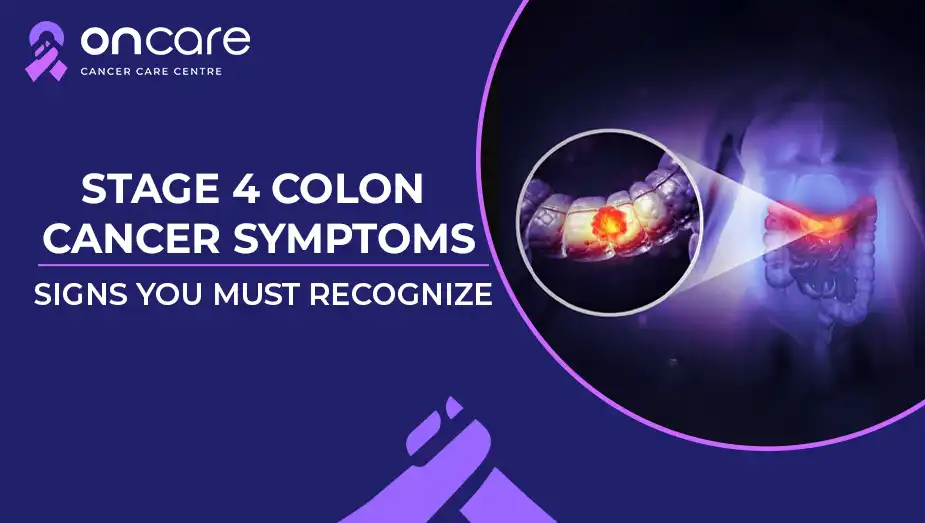
Stage 4 Colon Cancer Symptoms: Signs You Must Recognize
Learn the real signs of stage 4 colon cancer symptoms in simple words. Understand physical changes, advanced stage problems, and how to support your loved one with the right care.
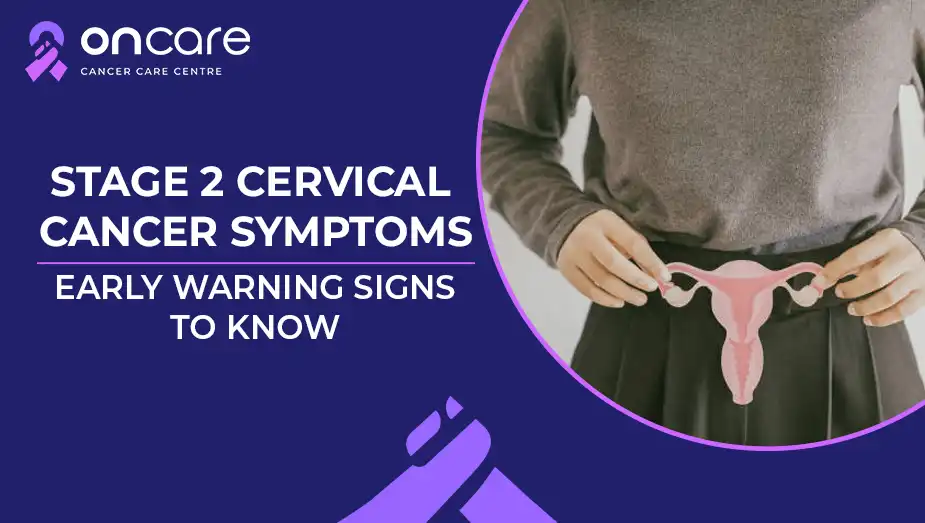
Stage 2 Cervical Cancer Symptoms: Early Warning Signs to Know
Learn the early signs of stage 2 cervical cancer in simple words. Understand symptoms, diagnosis, and why early treatment can help you recover faster.

Stage 3 Stomach Cancer: What Patients Wish They Knew Before Treatment
Discover more about Stage 3 stomach cancer and understand more about this stage and prepare for treatment, nutrition, and power of emotional and mental support!
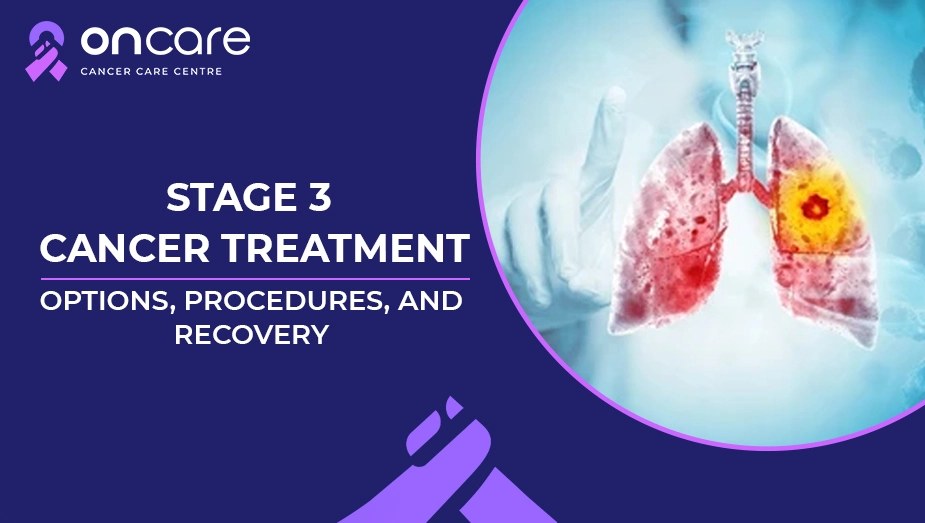
Stage 3 Cancer Treatment: Options, Procedures, and Recovery
Discover more about stage 3 cancer treatment and what to expect during treatments and its recovery and life after cancer treatments, outlook, and hope for stage 3!