Table of Contents
Stage 2 Stomach Cancer Explained: Prognosis & Management

By Prashant Baghel


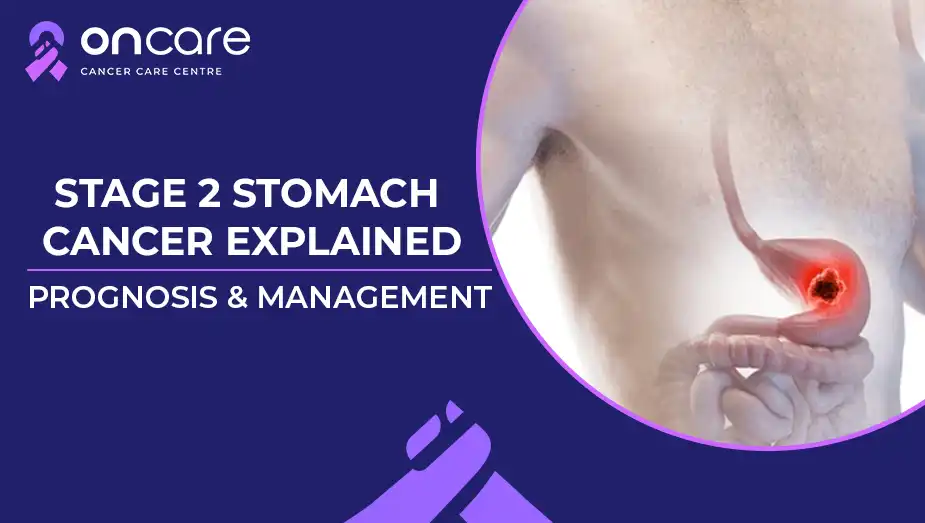
It's never easy to hear the words "stomach cancer," and when someone finds out it's stage 2, they often feel scared, confused, and have a lot of questions that aren't answered. But learning about stage 2 stomach cancer can help you see things more clearly. At this point, the cancer has spread deeper into the stomach or nearby lymph nodes, but it hasn't spread to organs that are far away yet. This means that treatment can be very effective, and with the right medical care, many people get better.
This article explains what stage 2 means, how it is treated, and what to expect during recovery. The more you know, the stronger you become, and the better choices you can make.
Getting to know Stage 2 Stomach Cancer
Stage 2 stomach cancer means that the tumour has grown through the stomach's inner lining. It might have gotten to the muscle layer or nearby lymph nodes, but it hasn't spread very far from the stomach. This makes treatment work better than it would at later stages.
At this stage, the cancer cells are still in one place, which gives doctors a good chance to get rid of or shrink the tumour. Recognising symptoms and getting tested on time is very important because early treatment can lead to better long-term results for stage 2 stomach cancer patients.
Typical Signs: In Stage 2, you can see it.
The symptoms may not always be very strong, but they are usually easier to see than in stage 1. Many people have stomach pain, a feeling of fullness, a lack of appetite, indigestion, nausea, weight loss, or tiredness.
These symptoms happen because cancer changes how the stomach works and how it digests food. These signs may not seem like a big deal, but you should never ignore them. Finding stage 2 stomach cancer early makes it easier to treat and more likely to work.
How doctors figure out if someone has stage 2 stomach cancer
Doctors use different tests to find out how deep the tumour has grown and if it has spread to nearby lymph nodes.
Endoscopy, biopsy, CT scans, and ultrasound tests are all common ways to do this. These tests help doctors figure out how big the tumour is and what the best way to treat it is.
The first and most important step is to make a diagnosis. Doctors can start treatment right away once the stage is confirmed.
What to do if you have stage 2 stomach cancer
The good news is that stage 2 stomach cancer can be treated well. With the right mix of treatments, a lot of patients get better.
Surgery, chemotherapy, or a combination of the two are common treatments. The goal is to get rid of the tumour and kill any cancer cells that might be hiding and spread later.
Surgery as the Main Way to Treat
Surgery is often the first thing that comes to mind. Depending on where the tumour is, doctors may take out part of the stomach or the whole stomach.
During surgery, they also take out nearby lymph nodes because cancer may spread there first. Most people slowly go back to their normal eating habits after surgery with the right help. After surgery, a lot of patients go on to live healthy lives, even after stage 2 stomach cancer.
Chemotherapy Before or After an Operation
Chemotherapy uses strong drugs to kill cancer cells or make the tumour smaller. Before surgery, doctors may give chemotherapy to shrink the tumour. This makes the surgery easier and raises the chances of getting rid of the whole tumour.
Chemotherapy can also be used after surgery to kill any cancer cells that are still there. This combination helps people live longer and keeps cancer from coming back.
Targeted Therapy for Some Patients
Some patients may get targeted therapy. These drugs kill only cancer cells and not healthy cells. Doctors do special tests to see if targeted therapy will help you.
This treatment helps a lot of people with stage 2 stomach cancer get better results and makes recovery easier.
Support for your lifestyle during treatment
Treatment works best when your body is strong. Your body heals faster when you eat healthy foods, drink enough water, get enough sleep, and stay active at a level that feels good to you. After surgery or during chemotherapy, it is often easier to digest small, light meals.
It's also important to take care of your mental health. Getting emotional support from family and friends is very important for getting better.
What to Expect After the Treatment
It takes time to get better, but most patients do get better every week. Doctors will set up follow-up appointments to look for any signs that the cancer has come back. A lot of the time, these visits include scans, blood tests, and physical exams.
A lot of people go back to work, enjoy their normal lives, and are happy. People have a good chance of getting better if they get treatment for stage 2 stomach cancer early.
The prognosis for Stage 2 Stomach Cancer
There is hope for stage 2. Treatment works very well because the cancer is still in the stomach area.
Age, general health, how well the treatment works, and the size of the tumour all play a role in how likely someone is to survive.
A lot of patients do very well with treatment and get better. Staying positive, listening to your doctor, and living a healthy life will all help you in the long run.
Emotional strength is important too.
A cancer diagnosis has effects on more than just the body. It's normal to feel scared, stressed, or worried. For many patients, talking to counsellors or joining support groups makes things easier to handle.
Being emotionally strong not only helps your mental health, but it also makes your body respond better to treatment.
When to Go to the Doctor Right Away
If you have stomach pain that doesn't go away, lose weight for no reason, throw up blood, have indigestion that lasts a long time, or have trouble eating, you should see a doctor right away. These could be signs of stage 2 stomach cancer or other stomach issues that need to be treated. Getting checked out early always gives better results.
Life After Stage 2 Stomach Cancer
After cancer treatment, you may need to make small changes to your diet and daily habits. A lot of people learn to eat less or change what they eat. Over time, the body gets used to things.
To stay healthy, you should stay active, not smoke, drink less alcohol, and eat healthy foods.
Consult Today
When you know more about stage 2 stomach cancer, you can see what's coming next more clearly. This stage can be treated well, and many people get better with quick care. Patients have a good chance of controlling the disease and living a healthy life with surgery, chemotherapy, targeted therapy, and help with their lifestyle.
Oncare Cancer Hospital has expert doctors, cutting-edge treatments, and caring staff for people who have stomach cancer or know someone who does. Getting help early, getting the right advice, and having strong support can all make a big difference in recovery.
Frequently Asked Questions
It means that the cancer has spread to deeper layers of the stomach or nearby lymph nodes, but not very far.
Yes. A lot of patients get better after having surgery, chemotherapy, or both.
Some signs are stomach pain, feeling full, indigestion, nausea, and losing weight.
Most patients need surgery, but the exact plan depends on how big and where the tumour is.
Book an Appointment
Related Blogs
Stomach Cancer Treatment Cost in India: Affordable Options
Discover the stomach cancer treatment cost in India, factors affecting pricing, treatment options, and why India offers high-quality yet affordable cancer care.
Stomach Cancer First Stage Symptoms: Key Early Indicators
Learn about stomach cancer first stage symptoms, including indigestion, bloating, appetite changes, and tiredness. Early detection improves treatment success.
Stage 4 Stomach Cancer Survival Rate: Latest Insights & Statistics
Learn about stage 4 stomach cancer survival rate, factors affecting outcomes, and modern treatments like chemotherapy, immunotherapy, and targeted therapy.
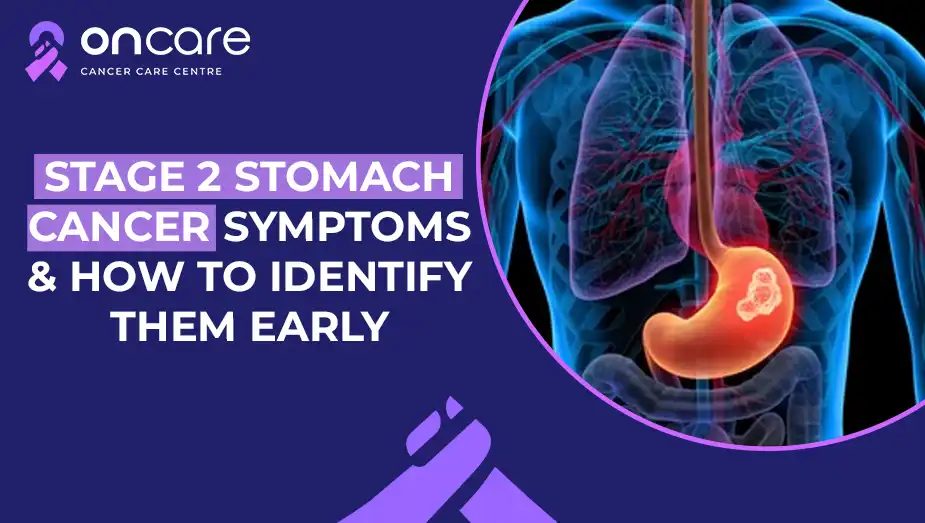
Stage 2 Stomach Cancer Symptoms and How to Identify Them Early
Learn the key stage 2 stomach cancer symptoms, from persistent pain to early fullness, weight loss, and nausea. Know what to watch for and when to see a doctor.