Table of Contents
Stage 2 Ovarian Cancer Symptoms: From Mild to Severe Indicators

By Raveena M Prakash


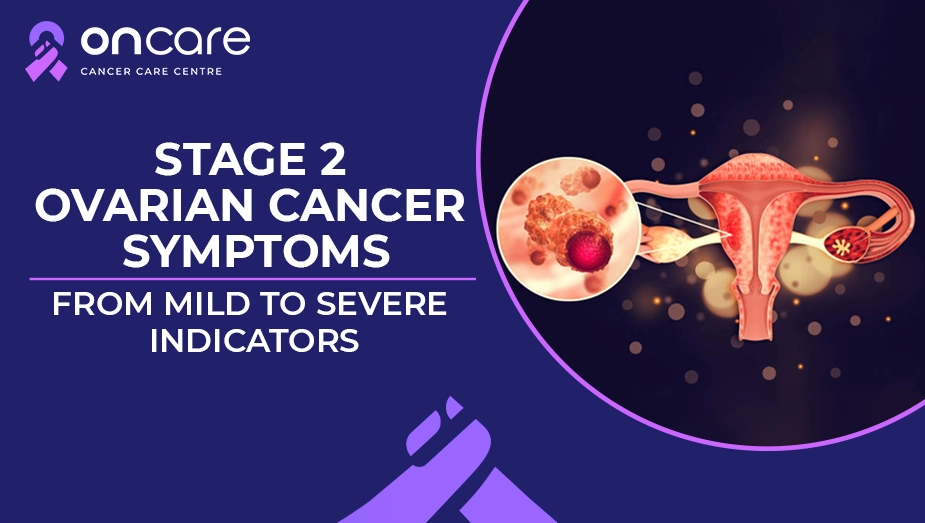
Ovarian cancer is often described as one of the most challenging cancers to detect in early stages. These cancer symptoms can appear as subtle, vague, and easy to confuse with common digestive issues or hormonal conditions. When ovarian cancer reaches stage 2, the cancer has progressed beyond the ovaries but remains often confined to the pelvic area. At this stage, symptoms are usually more noticeable, and yet they may still be overlooked or misunderstood.
In this blog, we’ll discover more about stage 2 ovarian cancer symptoms, from mild to severe conditions, and how it can help individuals to seek medical attention sooner and how it potentially improves the treatment outcomes.
What is Stage 2 Ovarian Cancer?
Stage 2 Ovarian cancer is a type of complex cancer that is found in one or both ovaries and has spread to nearby pelvic organs.
These may include:
- The uterus
- The fallopian tube
- The bladder
- The rectum or other pelvic tissues
Importantly, the cancer has spread to distant organs such as the lungs, liver, or lymph nodes outside the pelvis. This distinction makes stage 2 ovarian cancer more treatable than advanced stages, especially when detected immediately.
Why Symptoms Are Often Missed
One of the biggest concerns of ovarian cancer is that early symptoms can resemble everyday health challenges. Signs like bloating, fatigue, or bowel changes and digestive issues are often attributed to stress, diet, aging, or hormonal changes.
Symptoms of stage 2 ovarian cancer might develop slowly. In some cases, these signs may come and go. Some symptoms often seem mild at first, while some other symptoms might worsen slowly over time.
Many people delay seeing a doctor immediately until the symptom becomes more serious and disruptive.
Mild and Early Symptoms of Stage 2 Ovarian cancer
In the earlier part of Stage 2, some cancer symptoms might be subtle but constant. These early warning signs often involve the digestive and urinary systems due to the cancer’s location in the pelvis.
Common mild symptoms may include:
- Experiencing continuous bloating or abdominal fullness, even without eating large meals.
- Mild pelvic or lower abdominal discomfort that doesn’t fully go away
- Feeling full quickly when eating, sometimes referred to as early satiety.
- Increased the need to urinate, especially at night
- Experiencing bowel changes such as constipation and diarrhoea
- General fatigue or a noticeable decrease in energy
All of these symptoms may not seem alarming on their own, but persistence is vital. If these symptoms occur more frequently for more than a few weeks, you may need to get immediate medical attention.
Moderate symptoms as the Cancer Progresses
As stage 2 ovarian cancer continues to affect the surrounding pelvic areas and organs, these symptoms often become more noticeable and hard to ignore. At this point, the disease might often begin to interfere with daily activities.
Here are some of the moderate symptoms, including:
- Current pelvic or abdominal pain that becomes more frequent
- Experiencing a visible abdominal pain, sometimes mistaken for weight gain
- Experiencing menstrual irregularities including heavier periods or unexpected bleeding
- Post-menopausal bleeding, which should be evaluated
- Pain during sexual intercourse
- Experiencing lower back pain without a clear injury or cause
- Sudden weight loss or weight loss from reduced appetite
All of these symptoms often indicate that the cancer is placing pressure on surrounding organs, nerves or tissues.
Severe Symptoms in Later Stage 2
In more advanced cases of stage 2 cancer, symptoms might significantly affect the comfort and quality of life. When the cancer is confined to the pelvis, the disease can cause increasing physical strain.
More severe symptoms of stage 2 cancer, including:
- Continuous and intense pelvic abdominal pain
- Loss of appetite
- Difficulty eating normal foods
- Nausea and ongoing digestive discomfort
- Extreme fatigue experienced even after taking proper rest
- Shortness of breath usually happens when abdominal pressure
- Experiencing noticeable abdominal distension due to fluid buildup (ascites)
At this stage 2, symptoms are unlikely to resolve on their own and typically gets worse without any proper cancer treatment.
Why Early Detection Matters in Stage 2
Stage 2 ovarian cancer symptoms can range from mild to severe, such as bowel changes, pelvic or abdominal pain, bloating, and much more. Ovarian cancer treatments often include surgery to cancerous tissue, often followed by chemotherapy to reduce the risk of cancer recurrence.
Early detection at this stage can:
- Improve cancer treatment success rates
- Reduce complications
- Increase the long term survival
- Improve the overall quality of life
Cancer awareness and timely medical evaluation might play an essential role in achieving these outcomes.
When should you consult a doctor
If you are experiencing the above-mentioned symptoms, then you should consult a healthcare provider. These symptoms include:
- Symptoms often last for more than 2 to 3 months.
- Multiple symptoms occurring together
- Symptoms that are new, constant, and worsening conditions
- Pelvic pain or bloating that feels unusual for your body
An early medical evaluation may involve performing pelvic examinations in suspected cancer patients, imaging tests, blood tests, and then often refers to an oncologist.
Always Listen to your body
For women, it's significant to practice regular screening and routine checks to avoid the risk of developing ovarian cancer. Understanding the signs of these cancers makes a lot of difference in the treatments, because early detection saves lives. Everyone’s body is different, and changes that feel unnatural or unusual deserve instant attention, even if they seem minor at first.
Many experts suggest keeping a close eye on the changes happening to your body. Look at their frequency and duration, and consider getting an essential cancer screening. When symptoms stay and become constant, you may need to consult a doctor.
Consult Today
Stage 2 ovarian cancer symptoms can range from mild to severe discomfort in the stomach area, which might lead to life-changing health issues. Many of these symptoms might resemble common health issues or combinations of symptoms, which are key warning signs of ovarian cancer.
At Oncare, we offer premium-quality cancer treatments, including advanced cancer surgeries, at an affordable price range with an experienced cancer specialist consultation.
If you or any loved ones of yours are diagnosed with cancer, then visit Oncare Cancer Center and book an appointment with our experienced cancer specialist today! Get an estimated cost of your cancer treatments today!
Frequently Asked Questions
Here are the symptoms of stage 2 ovarian cancer, including pelvic pain, discomfort, bloating, vaginal discharge, bowel changes, abnormal bleeding, diarrhea, constipation, frequent urination.
Here’s how ovarian cancer is treated, including surgery, chemotherapy, targeted therapy, hormonal therapy, radiation therapy.
According to many studies, an overall survival rate of ovarian cancer is 49%.
Book an Appointment
Related Blogs

How Fast Does Stage 4 Pancreatic Cancer Spread? Expert Insights
Learn how fast stage 4 pancreatic cancer spreads, its symptoms, affected organs, and treatment options. Easy, clear guidance to help patients and families understand.

Stage 1 Mouth Cancer: Risk Factors and How to Reduce Them
Learn about Stage 1 mouth cancer, early symptoms, major risk factors, and prevention tips. Early detection improves recovery. Get complete awareness here.
Stage 4 Stomach Cancer Treatment: Options & Outcomes
Learn about stage 4 stomach cancer treatment, including chemotherapy, targeted therapy, immunotherapy, radiation, surgery for symptoms, and supportive care to improve comfort.

Stage 3 Stomach Cancer Symptoms: Key Warning Signs
Learn the main stage 3 stomach cancer symptoms, including lasting stomach pain, early fullness, weight loss, nausea, bleeding, and weakness. Know when to seek medical help.