Table of Contents
Stage 1 Skin Cancer: Real Chances of Recovery

By Prashant Baghel


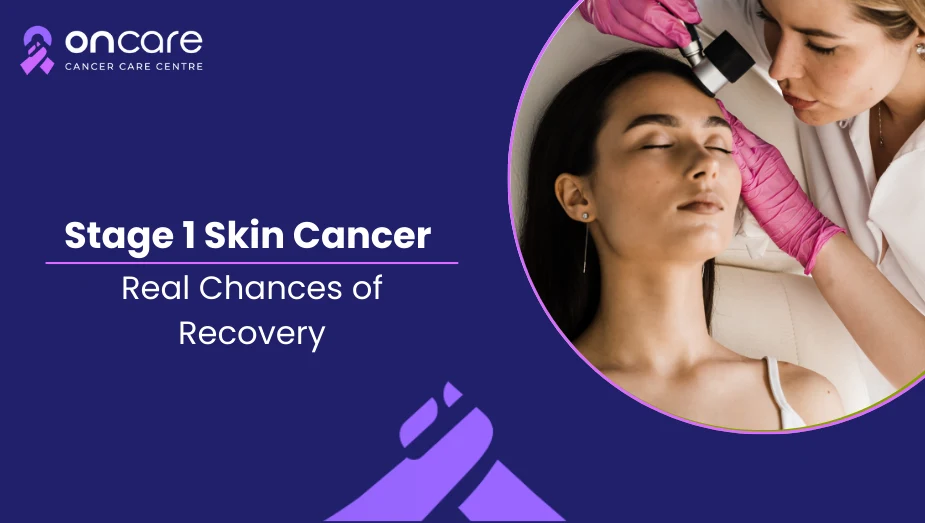
Anyone can stop in their tracks when they hear the word "cancer." Even when it is found early, the fear and confusion can be too much to handle. A lot of people think about long treatments, pain, and an uncertain future. But when it comes to stage 1 skin cancer, the story is usually very different. Most people get better with the right care, and this early stage is usually very easy to treat. Understanding what stage 1 skin cancer is and what to expect can give you a lot of hope and peace of mind.
This article talks about stage 1 skin cancer in a way that is very easy to understand. You will learn what it is, how it starts, what symptoms to look for, how it is treated, and what life is like after treatment. If you or someone you care about has this diagnosis, the goal is to help you feel calm, informed, and sure of yourself.
What Is Stage 1 Skin Cancer
If you have stage 1 skin cancer, it means that the cancer was found very early. At this point, the cancer is still small and only affects the top layers of skin. It hasn't spread to other parts of the body or lymph nodes. That's why people with stage 1 skin cancer have a very good chance of getting better.
Skin cancer starts when skin cells start to grow in a way that isn't normal. In most cases, this happens because the sun's UV rays or tanning beds hurt the skin. Over time, this damage can change normal skin cells into cancer cells. If you catch it early, before it goes deeper into the skin, treatment is usually easy and works well.
Different kinds of Stage 1 skin cancer
At stage 1, skin cancer is still small and only affects the top layers of the skin. At this point, it hasn't spread to lymph nodes or other parts of the body. You can find out what kind of skin cancer you have at stage 1, and catching it early makes treatment easier and more effective.
Basal Cell Carcinoma
Basal cell carcinoma is the most common type of skin cancer in stage 1. It usually grows very slowly and looks like a small, shiny bump or a sore that doesn't heal. Early treatment works very well because it spreads very slowly.
Carcinoma of the Squamous Cell
Another common type of stage 1 skin cancer is squamous cell carcinoma. It usually looks like a sore, red bump, or scaly patch. It grows faster than basal cell carcinoma, but it is still easy to treat when it is found at stage 1.
Melanoma in the early stages
Melanoma is a skin cancer that is less common but more dangerous than others. Melanoma is still small and hasn't spread beyond the skin in stage 1. This early stage is very important because treatment at this point works much better than treatment at later stages. Finding out about it early on greatly increases the chances of survival and recovery.
How Stage 1 Skin Cancer Grows
Stage 1 skin cancer doesn't show up all at once. It usually grows slowly over the course of months or years. A lot of sun exposure is important, especially getting sunburned a lot or spending long hours in strong sunlight without protection. Having fair skin, light hair, and a family history of skin cancer can make you more likely to get it, but anyone can get it.
At first, the skin may change in small ways that are easy to miss. A lot of people put off going to the doctor because these changes don't always hurt. Regular skin checks help you find these changes early, often before they become serious.
Early Signs and Symptoms of Stage 1 Skin Cancer
Stage 1 skin cancer usually shows very mild and early signs, which are easy to ignore. At this stage, the cancer is limited to the skin and has not spread, so symptoms are often not painful or severe. Paying close attention to small changes on the skin is very important for early detection.
New or Non-Healing Skin Spots
One of the most common early signs is a new spot on the skin that does not heal over time. This spot may look like a small sore, a red or rough patch, or a shiny bump. In some cases, the area may bleed slightly or form a scab that falls off and comes back again. These changes may seem harmless at first but should not be ignored if they persist.
Changes in Moles or Existing Marks
Another important early sign is a change in a mole or existing skin mark. The mole may slowly change in size, shape, or color. It might become darker, uneven around the edges, or start to itch. In stage 1 skin cancer, these changes are usually small and gradual, which is why regular skin checks are essential for early diagnosis and successful treatment.
Why Stage 1 Skin Cancer Is Often Missed
A lot of people don't notice stage 1 skin cancer because it doesn't look dangerous. It doesn't seem like a big deal if you have a small spot or mole. Some people might think it's a pimple, an allergy, or just a normal change in skin as you get older.
It's easy to ignore stage 1 skin cancer because it usually doesn't hurt. This is why doctors tell people to check their skin regularly and see a dermatologist on a regular basis, especially those who are at higher risk.
How Stage 1 Skin Cancer Is Diagnosed
A skin exam is usually the first step in making a diagnosis. A doctor carefully examines the skin and any spots that look strange. A small piece of skin is taken if something looks suspicious. This is what a biopsy is.
A lab gets the biopsy and looks at it under a microscope. This tells you if you have cancer and what kind it is. Tests usually show that stage 1 skin cancer is only on the skin and has not spread.
Understanding Skin Cancer Staging in Stage 1
Learning about the stages of skin cancer helps doctors figure out how far along the cancer is. The tumor is small and shallow in stage 1 skin cancer. It hasn't spread to lymph nodes or deeper tissues yet. People think this stage is early and easy to treat.
Doctors can make better treatment decisions when they know the stage. Patients can also better understand their chances of getting better. Stage 1 is the most hopeful because the chances of treatment working are very high.
Treatment Options for Stage 1 Skin Cancer
Different Ways to Treat Stage 1 Skin Cancer. Usually, treating stage 1 skin cancer is not too hard. In a lot of cases, all that is needed is surgery to get rid of the cancer. The doctor takes out the cancerous area and a little bit of healthy skin around it. This helps make sure that all of the cancer cells are gone.
Some patients may be treated with special methods that take off thin layers of skin until there are no cancer cells left. Topical treatments or light-based therapies may be used in some cases. The type, size, and location of the cancer will determine what to do.
Recovery After Stage 1 Skin Cancer Treatment
What to Expect After Stage 1 Skin Cancer Treatment. It usually doesn't take long to get better after stage 1 skin cancer treatment. Most people go back to their normal lives pretty quickly. There might be some redness or a small scar at the site of treatment, but serious problems are rare.
It's important to go back for follow-up visits to make sure the cancer doesn't come back and to look for any new skin changes. A lot of people are nervous at first, but regular check-ups help them feel better.
Survival Rate and Long-Term Outlook of Stage 1 Skin Cancer
Chances of Survival and Long-Term Outlook The chances of getting better from stage 1 skin cancer are very high. Most people get better completely after treatment. The chances of survival are very good, especially if the cancer is caught and treated early.
But if you have one skin cancer, you are more likely to get another one in the future. This doesn't mean that cancer will come back, but it does mean that you need to keep taking care of your skin and keeping an eye on it.
Life After Stage 1 Skin Cancer
After Stage 1 Skin Cancer After stage 1 skin cancer, life can go back to normal and be healthy. A lot of people learn more about how to protect their skin and stay healthy. Using sunscreen, wearing protective clothing, and staying out of the sun during the hottest parts of the day are all easy things that can make a big difference.
Some people may still feel scared or worried after getting treatment. It helps to talk openly with doctors and loved ones. With clean follow-up results, confidence usually comes back over time.
Preventing Skin Cancer After Stage 1 Diagnosis
Stopping skin cancer from happening in the future. You can't stop all skin cancer, but you can lower your risk. The most important thing to do is keep your skin safe from the sun. Checking your skin regularly helps you find any new changes early, when they are easiest to fix.
It also lowers the risk later in life of teaching kids and teens about how to stay safe in the sun. Avoiding things is a habit that will help your skin stay healthy for a long time.
When to See a Doctor for Stage 1 Skin Cancer Symptoms
When to Go to the Doctor If you see a new skin spot that doesn't heal, a mole that changes, or any other skin change that worries you, you should see a doctor. If you trust your gut and act quickly, you can stop small problems from getting worse.
One of the best things about stage 1 skin cancer is that it is easy to treat early on.
Consult Today
Final Thoughts on Skin Cancer Stage 1: When found early, stage 1 skin cancer is one of the easiest types of cancer to treat. The diagnosis can be scary, but the truth is that most people get better and go on to live normal, healthy lives. Finding out about it early, getting the right care, and checking in on it regularly make a big difference.
Oncare Cancer Hospital is known for having experienced cancer specialists, modern treatment options, and advanced diagnostic tools. They are a trusted choice for effective skin cancer treatment and long-term follow-up because they focus on the patient and provide compassionate care.
Frequently Asked Questions
It's still in the early stages and is very treatable, especially if you get treatment right away.
Most of the time, the problem goes away, but it's important to check in regularly to see if the skin changes again.
Surgery is often the main treatment, but the exact method depends on the type and location.
Most people recover quickly and can go back to their normal activities in a short amount of time.
Book an Appointment
Related Blogs
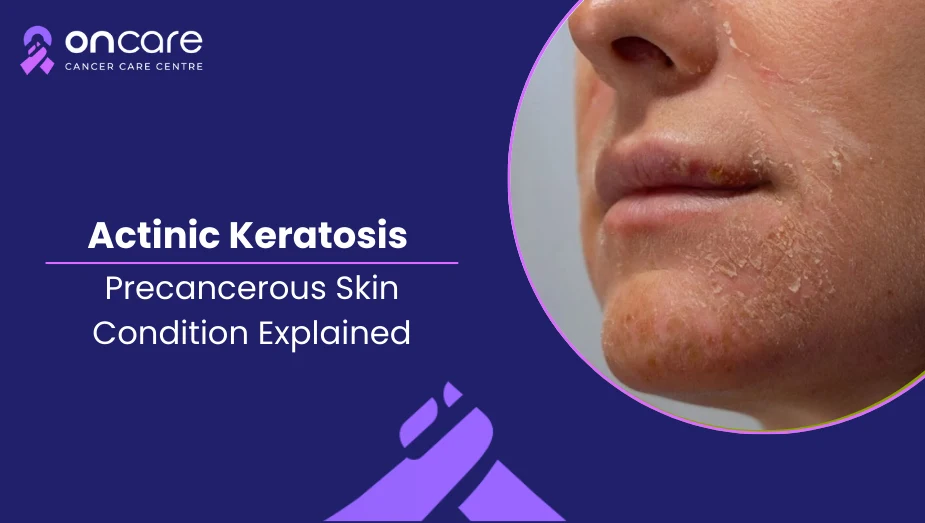
Actinic Keratosis: Precancerous Skin Condition Explained
Discover more about actinic keratosis, and its signs and symptoms, who is at risk of developing this, and its prevention and skin care and why this condition is precancerous!
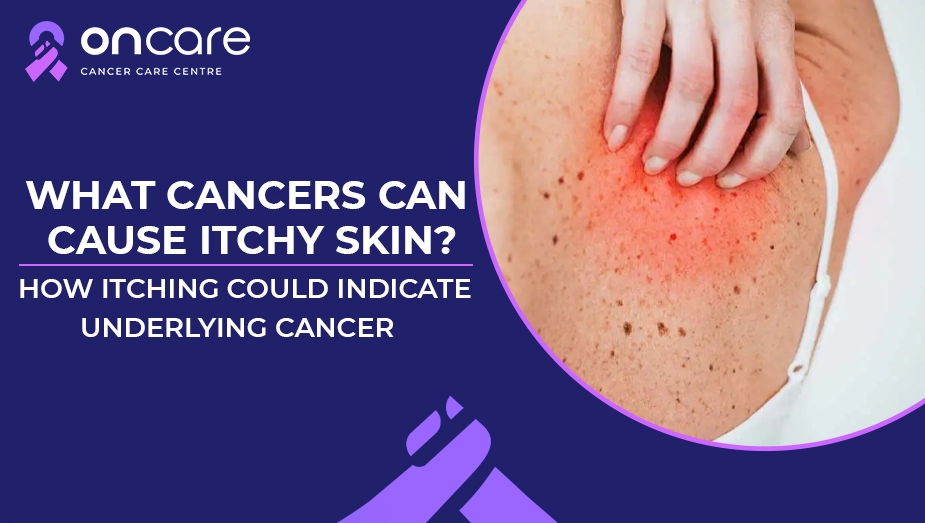
What Cancers Can Cause Itchy Skin? How Itching Could Indicate Underlying Cancer
Learn what cancer can cause itchy skin, why certain cancers trigger itching, how to tell harmless itching from serious symptoms, and when to see a doctor.
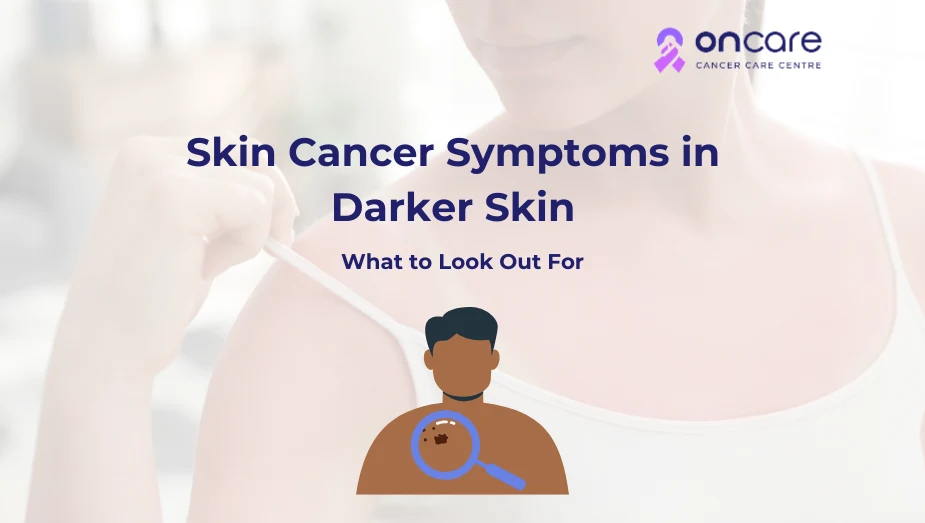
Skin Cancer Symptoms in Darker Skin: What to Look Out For
Discover more about Skin cancer symptoms in darker skin, why this cancer in darker tones are not treated early, types of cancers and when to see a dermatologist
Skin Cancer Diagnosis: What to Expect During a Dermatology Check
Discover more about skin cancer diagnosis, what to expect during a dermatology checkup, why early skin checkups matter, and tips for your dermatology consultation.