Table of Contents
Stage 1 Lung Cancer Treatment Plan: What Patients Should Know

By Raveena M Prakash


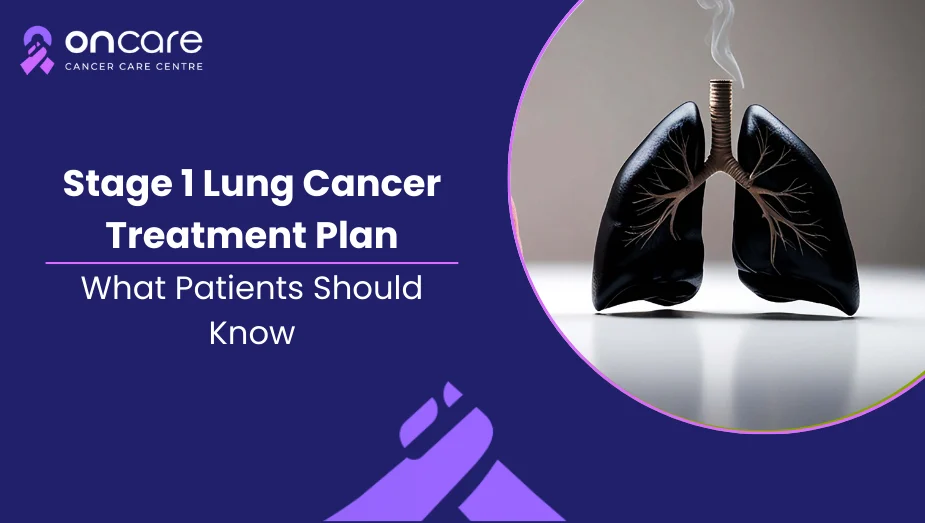
A diagnosis of stage 1 lung cancer can be overwhelming, but when it's detected at stage 1, then there is a real reason for hope and successful recovery. Stage 1 lung cancer is usually considered as an initial stage, in simpler terms, the disease is complex and limited to the lungs and has not spread to lymph nodes or other parts of the body. With an immediate and timely effective cancer treatment, many patients achieve long-term survival and even cure. Understanding the treatment plan can help patients feel more confident, informed, and involved in healthy lifestyle adjustments.
In this blog, we’ll explain more about stage 1 lung cancer and its available treatment options and what patients should expect before, during and after the treatments.
Understanding Stage 1 Lung Cancer
Stage 1 lung cancer is considered early-stage lung cancer. It simply means that the tumor is relatively smaller and hasn’t spread to any nearby lymph nodes or any other parts of the body. According to the American Cancer Society, the majority of stage 1 lung cancers are non-small cell lung cancer (NSCLC). These types of cancer account for 80-85% of the lung cancer cases.
Meanwhile, small cell lung cancers account for 10 to 15% of all the lung cancer cases. It’s a rapidly growing cancer and starts to spread to other body parts. One-third of these lung cancers are found in the initial stages of cancer development.
Treatment options for Stage 1 Lung Cancer
Each treatment plan is personalized, as the doctors will take into account the tumor size and its location. Doctors perform several tests to understand more about the lung function of the patients, overall health conditions, and treatment preferences.
Here are some of the treatment goals for lung cancer, including:
- Completely removing and destroying the cancer cells
- Preserving as much lung function as possible
- Reducing the risk of cancer recurrence
- Improving the quality of cancer patients
Surgery
Surgery is one of the most common types of treatment option used in patients with stage 1 lung cancer. Many oncologists suggest surgery is the standard treatment option for initial stages of lung cancer.
Types of surgeries
The type of surgical procedures mainly depends on the tumor’s size and position, these may include:
- Lobectomy: This is one of the common and preferred surgeries performed to remove one lobe of the lung.
- Segmentectomy or wedge resection: It's an effective surgical method used in stage 1 lung cancer patients and is often used to remove small tumors. This surgery was often performed on patients with limited lung function and smaller portions of the lung tumors.
- Pneumonectomy: This is another surgical technique used to remove the entire lung, which is rarely needed in stage 1.
Many surgical procedures are performed using minimally invasive techniques, such as video-assisted or robotic surgery, which can reduce the pain, reduce the extent of hospital stays, and also reduce recovery time from surgery.
Recovery after surgery
As we all know, recovery varies from person to person but it typically takes,
- An extended hospital stays of few days or weeks
- Fatigue or discomfort
- Breathing exercises to improve lung function
- Gradually returning to daily activities and life after taking rest for over several weeks
The majority of patients adapt and recover easily after taking proper rest and adopting a healthy lifestyle. Patients get to see an improved lung capacity, especially if they had healthy lungs before surgery.
Radiation therapy
Not all stage 1 lung cancer patients can undergo surgery due to several factors, including rising age, lung disease and overall individual health conditions. In such cases, radiation therapy may be recommended as the main treatment option.
Meanwhile, one of the advanced treatment options is Stereotactic Body Radiation Therapy (SBRT). This technique delivers a high dose of radiation directly to the tumor over a small number of sessions while minimizing the damage to surrounding healthy tissues.
SBRT has shown excellent results for cancer patients with an early stage lung cancer, who cannot undergo surgery often considered as an effective curative method.
Targeted therapy and Immunotherapy
Advances in lung cancer treatments have introduced newer treatment options that might benefit selected patients.
Targeted therapy
Some types of lung cancers have specific genetic changes. If testing starts to identify these markers, targeted therapy may be recommended after surgery to reduce the recurrence risk.
Immunotherapy
Immunotherapy helps the immune system to recognize and destroy cancer cells, while these are more commonly used in advanced stages, these are used in several early stage cases based on the individual risk factors.
Is chemotherapy necessary?
Chemotherapy is not generally used in stage 1 lung cancer patients. Chemo treatments are often recommended in certain cancer cases, such as:
- Large stage 1B Tumors
- Tumors with aggressive or high-risk features
- Many cancer research and findings suggests a higher chance of cancer recurrence
When these treatments are used, which is typically given after surgery, also known as adjuvant therapy to reduce the risk of cancer recurrence.
Lifestyle Changes That Support Recovery
Lifestyle changes or adjustments play a crucial role in the recovery of cancer patients before or after completing the cancer treatments by adopting healthy habits, including:
- Quitting smoking or limiting the use of the tobacco products, if possible
- Maintaining a balanced, nutritious diet
- Staying physically active, as advised by a specialist or recommended in the guidelines
- Managing stress and prioritizing sleep
All of these lifestyle adjustments can improve healing, improve energy levels, and enhance overall well-being.
Emotional and Psychological Support
A new cancer diagnosis, even at an initial stage, can still cause anxiety, fear, or emotional distress. Patients might worry about recurrence, long-term health, or essential lifestyle changes.
Support resources may include:
- Counseling or mental health services
- Join a cancer support group
- Having open communication with healthcare providers and loved ones
- Addressing emotional health is an important part of compassionate cancer care
Prognosis and Outlook
Many studies suggest that the outlook for stage 1 lung cancer is very encouraging. Stage 1 lung cancers have high chances of successful treatment outcomes when treated immediately after the diagnosis. The survival rates are significantly higher when compared to advanced stages of lung cancer. Many cancer patients are cured with surgery or radiation therapy alone.
Early detection saves lives, often performed through regular cancer screening tests, and immediate medical evaluation of understanding the symptoms plays an essential role in receiving successful treatment outcomes.
Consult Today
Stage 1 lung cancer is complex and serious, but it also offers a strong opportunity for effective treatments and long-term survival. With a personalized treatment plan, regular follow-up, and healthy lifestyle choices, many patients go on to live full and active lives.
At Oncare, we offer premium-quality cancer treatments, including advanced cancer surgeries, at an affordable price range with an experienced cancer specialist consultation.
If you or any loved ones of yours are diagnosed with cancer, then visit Oncare Cancer Center and book an appointment with our experienced specialist today, Get an estimated cost of your cancer treatments today!
Frequently Asked Questions
The primary treatment options used for stage 1 lung cancer is surgery, while additional treatments include chemotherapy, targeted therapy and immunotherapy.
The key lifestyle changes include following healthy diets, staying physically active and stop the use of alcohol and smoking cigarettes.
The symptoms of stage 1 lung cancer may include chronic cough, shortness of breath, chest pain, wheezing, and coughing blood.
Book an Appointment
Related Blogs
Lung Cancer First Stage Symptoms: Understanding the Initial Phase
Learn the lung cancer first stage symptoms, including mild cough, breath changes, fatigue, chest discomfort, and early weight loss. Know what to watch for and when to see a doctor.
How to Check for Lung Cancer: Step-by-Step Guide
Learn how to check for lung cancer, from recognizing early symptoms like a persistent cough to undergoing imaging and biopsy tests. Early detection can improve survival rates.
Lung Cancer Last Stage Symptoms and Life Expectancy Explained
Understand lung cancer last stage symptoms in simple words. Learn what happens in the final stage, how the body changes, and how to support your loved one with the right care.
Lung Cancer Symptoms in Women: From Persistent Cough to Fatigue
Discover more about lung cancer symptoms in women, why these symptoms show up in women differently, from persistent cough to fatigue, and when to consult a doctor!