Table of Contents
How to Recognize Stage 1 Colon Cancer Symptoms Early

By Prashant Baghel


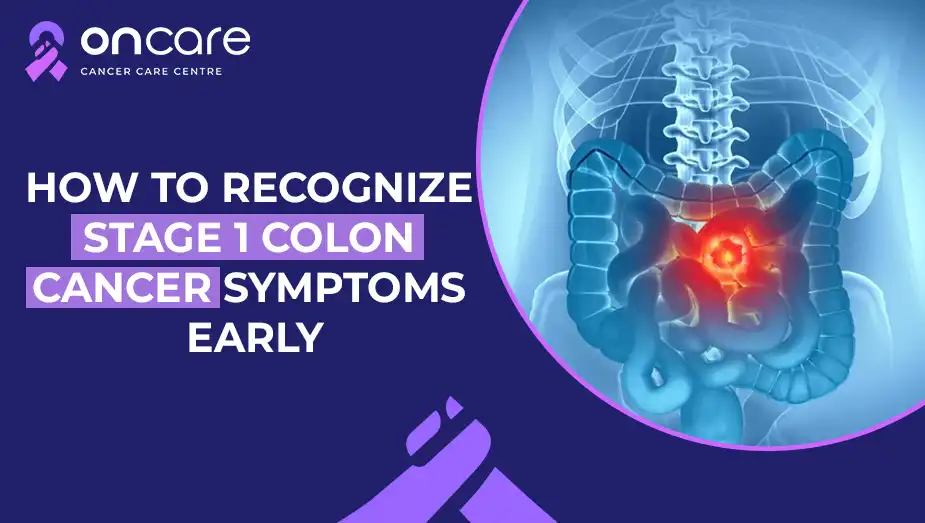
A lot of people think that colon cancer only shows signs in later stages, but that's not true. Stage 1 colon cancer can also mean that your body is changing in small ways. It's easy to ignore these changes because they seem like normal stomach problems. But if you know what these early signs mean, you can catch the disease in time. Knowing what to look for gives you more control over your health and can save your life. When people learn about stage 1 colon cancer symptoms at the right time, they can take early action.
If you know the signs of stage 1 colon cancer, you can do something about it before it spreads deeper into the colon wall. At this point, the disease is still only in the inner lining, and treatment works very well. That’s why it’s so important to learn these signs and keep a close eye on your body. Understanding stage 1 colon cancer symptoms can help you respond faster.
What Stage 1 Colon Cancer Really Means
Stage 1 colon cancer is the first stage when abnormal cells form a small tumour. The cancer has moved a little deeper into the colon, but it hasn't spread to other parts of the body, like lymph nodes, organs, or other body parts. It is still in one place, which is why treatment usually works well, and the chances of recovery are high. These details matter when talking about stage 1 colon cancer symptoms and how they begin.
The symptoms are usually mild because the disease is still in its early stages. A lot of people feel fine and go about their daily lives. Some people may notice small changes but think they are due to food, stress, or lifestyle. This makes being aware very important.
Why is it hard to see the early signs
One of the hardest things about stage 1 colon cancer symptoms is that they come on slowly. The colon is a big organ, and early tumours don't get in the way of it very much. Because of this, the signs may come and go. You might feel bad for a day and then be fine for a week. People may put off checkups because of this.
People also ignore symptoms because they are similar to common digestive problems. Everyone gets gas, acidity, constipation, and stomach cramps. But if these problems keep happening without a clear reason, they need to be looked into.
Changes in how you poop
Your bowel movements are one of the first signs. There are many ways that your stool pattern can change, and even small changes can mean something. Some people notice that they need to go to the toilet more often, while others notice that they need to go less often. Constipation or diarrhoea that lasts for a long time without getting better can be an early sign. These changes are often included when doctors talk about stage 1 colon cancer symptoms.
The stool may also have a different shape or feel. It can get thinner than usual at times. The tumour makes the path inside the colon a little narrower, which causes this change. It's a good idea to talk to a doctor about this kind of change, even if you don't feel pain.
Mild or Discomfort Pain in the Lower Belly
Stage 1 colon cancer usually doesn't hurt a lot. But it can make you feel pressure, heaviness, or mild cramps in your lower abdomen. This pain may move from one side to the other. You might feel it more after eating or before going to the toilet. These mild pains are also part of early stage 1 colon cancer symptoms.
People often ignore the pain because it isn't very strong. But you shouldn't ignore pain that keeps coming back for weeks at a time. Even small changes in the abdomen that don't have a clear cause can be a sign of colon problems.
Bleeding in the rectum or blood in the stool
This is a sign that you should always pay attention to. Bleeding is usually light in stage 1 colon cancer. Sometimes the blood is bright red and easy to see. It can also be mixed with stool and look darker. Bleeding is one of the most serious stage 1 colon cancer symptoms and should never be ignored.
People often say that piles or anal cuts are to blame, but if you bleed without a known reason, you need to see a doctor. It's best to get checked out even if the blood only shows up once in a while. No matter how old you are, you should not ignore blood in your stool.
Feeling tired or low on energy for no reason
Many things can make you tired, but when the colon changes and the body loses small amounts of blood over time, it can make you tired. You might still feel tired even after getting enough sleep. Some people notice that they get tired after doing simple things. Fatigue can also be linked to stage 1 colon cancer symptoms when it continues for long.
This kind of tiredness comes on slowly and quietly. It might not hurt or have any other strong symptoms. If your energy level suddenly drops and stays low for more than two weeks, you should see a doctor.
A Sense That Your Bowel Doesn't Fully Empty
Another early sign is that you always feel like there is still some stool in your colon even after you have gone to the toilet. You might want to go again soon after using the toilet. The tumour makes the lining of the colon a little bit off, which makes the body feel like it hasn't fully relieved itself. This is another example of stage 1 colon cancer symptoms.
This feeling can be hard to understand because it doesn't hurt a lot. But if this keeps happening, it needs to be looked into.
Weight Changes That Don't Make Sense
People with stage 1 colon cancer usually don't lose a lot of weight, but they can lose a little bit of weight over time. Weight can change when the digestive system isn't working right or when the body has to work harder to deal with cells that are growing in an unusual way.
Some people also don't realise that they have lost their appetite. They might eat less because they feel a little uncomfortable or bloated. If you notice that your weight is changing without trying, your body is trying to tell you something. This also fits into early stage 1 colon cancer symptoms.
When to Go to the Doctor
If any of these symptoms last longer than two weeks, you should see a doctor. You know your body better than anyone else. Early testing can make a big difference when something seems off or out of balance.
Tests like colonoscopy, stool examination, and imaging scans can find changes early on, before the cancer gets bad. People who have a family history of colon cancer or have had digestive problems for a long time should be even more careful.
How Your Way of Life Affects You
Your way of life has a big effect on the health of your colon. Some things that raise the risk are eating foods low in fibre, eating red and processed meat often, smoking, drinking alcohol, and not getting enough exercise. Your digestive system will stay healthy if you make small changes.
Eating enough fruits, vegetables, whole grains, and water keeps the colon clean and working. Exercise on a regular basis helps digestion. Even small things done every day can help keep your colon healthy in the long run.
Why Finding Out Early Is Good for You
Because the disease is still limited, stage 1 colon cancer has one of the highest rates of successful treatment. A lot of people only need surgery to remove the tumour if it is found early. The chances of the cancer coming back are very low, and recovery is faster.
The goal is to stop the disease from spreading. This not only saves you time and money, but it also protects your quality of life. You feel better, stronger, and more sure of yourself.
Consult Today
You can protect your health by knowing the signs of stage 1 colon cancer. Most of the early signs look simple, but if you pay attention to them, you can stop the disease from spreading. It's important to get the right medical help at the right time if you or someone you know has any of these symptoms. Understanding stage 1 colon cancer symptoms helps you act on time.
Oncare Cancer Hospital is a trusted place for full cancer care. They have expert diagnosis, advanced treatment options, and caring support for all patients. Taking action early leads to better results, and picking the right hospital makes the process easier.
Frequently Asked Questions
A change in bowel habits that lasts for many days is the most common early sign.
Pain is usually mild and feels like pressure or light cramps.
It doesn't always happen, but it shouldn't be ignored and needs to be checked out by a doctor.
Yes, the chances of treatment working are very high if the disease is found early.
Book an Appointment
Related Blogs
Recognizing Stage 1 Cancer Symptoms Before It Spreads
Learn about cancer first stage symptoms, from lumps and skin changes to unusual fatigue. Early detection boosts treatment success and saves lives.
Stage 1 Cervical Cancer Symptoms: Identifying the First Signs of the Disease
Learn the early signs of stage 1 cervical cancer, including bleeding, discharge, and pelvic pain. Understand risk factors, diagnosis, and why early detection matters.
Stage 1 Breast Cancer Treatment Timeline: From Diagnosis to Recovery
Learn more about stage 1 breast cancer and its treatment timeline and treatment options, surgery, chemotherapy, radiation therapy, and recovery and follow-up!
Stage 1 Lung Cancer: Signs You Shouldn’t Ignore
Explore more about stage 1 lung cancer and common signs and symptoms of these cancers that people shouldn’t ignore, and risk factors and when to consult a doctor!