Table of Contents
Recognizing Stage 1 Cancer Symptoms Before It Spreads

By Dr. Gajendra Kumar Himanshu


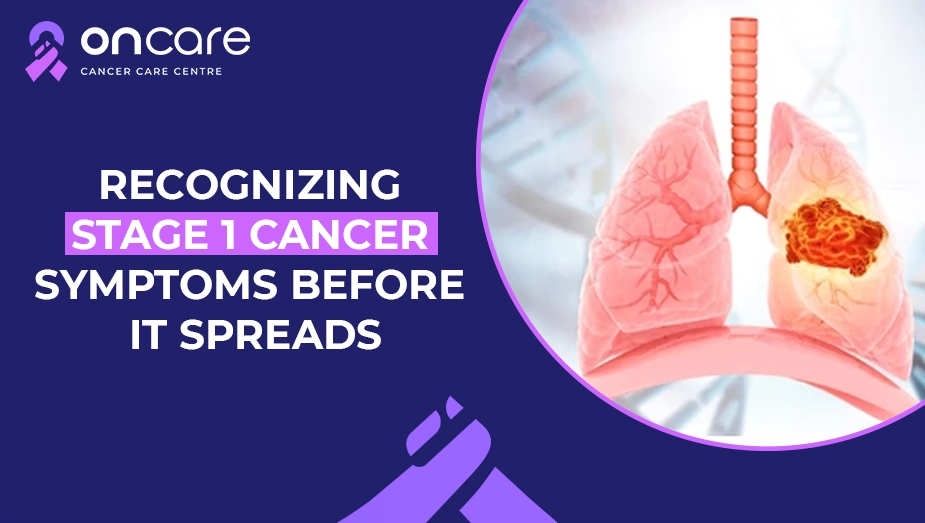
Stage 1 cancer symptoms vary depending on the type of cancer, but the most common ones are: A new lump or swelling ( usually under 2cm ) that does not go away Persistent unexplained fatigue Sudden weight loss without dieting A cough or hoarseness that lasts a long time Changes in moles or new skin patches Unexplained bleeding, such as blood in urine, stool or vaginal bleeding Persistent pain in one area Noticeable changes in bowel or bladder habits In stage 1 the cancer is localized and has not progressed to surrounding lymph nodes or distant organs.
That is why treatment is so effective when it is started early. Five-year survival rates for most cancers identified at this stage are 85% or higher, and many cases can be treated successfully with surgery, radiation therapy, chemotherapy, targeted therapy, or a combination of treatments.
Getting it What It Means to Have Stage 1 Cancer
Stage 1 cancer means that the disease is starting to grow but hasn't spread very far yet. It is usually small, stays in one place, and is still under control. At this point, cancer hasn't spread to the lymph nodes or any other organs. Doctors have a lot of treatment options because it's still early, and the chances of recovery are very high.
The problem is that the first signs of cancer are often mild. A lot of people feel fine and don't know anything is wrong. The signs could be small changes that you might mistake for normal problems like being tired, stressed, or having a small infection. This is why it's so helpful to know what to look for and understand the common cancer first stage symptoms.
How early detection can save lives
Finding cancer early makes it easier to treat. At stage 1, the tumor is still small and hasn't had a chance to grow or spread. This makes it much more likely that doctors will be able to remove it or make it smaller. It also means that the treatment is usually easier, shorter, and less stressful for the patient.
People who find out they have cancer early tend to do better, recover more quickly, and live longer. This is why doctors always stress the need to pay attention to early signs, make regular appointments, and be aware of any changes in your body so you don’t overlook cancer first stage symptoms.
Common Signs of Cancer in the First Stage
Even though the symptoms can be different for different types of cancer, there are some early signs that a lot of people have. Most of the time, these changes are small but easy to see if you look closely. Knowing the first signs of cancer will help you know when to see a doctor and understand how cancer first stage symptoms may appear.
Lumps or swellings that are out of the ordinary
A small bump or swelling is one of the most well-known early signs of cancer. A lot of people don't pay attention to these lumps because they don't hurt. You might feel them on your neck, breast, underarms, groin, or other parts of your body.
A doctor should look at any new or growing lump, even if it's not dangerous. People often find stage 1 cancers, like breast cancer or lymphoma, because they saw a small lump early on.
Changes in the Skin
Your skin can show signs of cancer before you feel anything else. You might see that moles have changed, that new dark spots have appeared, or that skin patches are acting strangely. Some areas may turn red, itch, or feel rough.
Changes in your skin can help you find skin cancer early, since the first signs often appear on the surface of the skin. Changes in the skin that don't go away should always be looked at as they may be part of cancer first stage symptoms.
Weight Loss That Isn't Expected
Weight can change a little over time, but losing a lot of weight quickly without trying can be an early sign of some cancers. When cancer starts to grow, the body may use more energy, which can make you lose weight quickly.
If you lose weight without changing your diet or exercise, you should tell your doctor.
Strange Tiredness
It's normal to feel tired after a long day, but if you feel tired all the time for no reason, it could be an early sign of cancer. At stage 1, your body may have to work harder to get rid of abnormal cells, which can make you feel weak or low on energy.
If you are always tired and resting doesn't help, it could be a sign that you should see a doctor. This type of tiredness is one of the commonly missed cancer first stage symptoms.
Pain That Doesn't Go Away
Pain is one way our bodies tell us that something is wrong. Pain from cancer early on is usually mild and may come and go. It could feel like pressure, heaviness, or a dull ache.
For instance, early-stage bone cancers may cause mild pain, while early-stage stomach or liver cancers may cause mild discomfort in the abdomen. You shouldn't ignore pain that lasts for weeks without a clear reason.
Changes in how you eat or digest
Some stage 1 cancers change the way you eat or digest food. You might feel full faster, have trouble swallowing, or feel bloated more often. There are times when people just don't want to eat.
These signs may not seem like much, but you should get them checked out if they last for a long time.
Bleeding When It Shouldn't Happen
Another sign of early cancer is bleeding that happens for no reason. This could mean bleeding between periods, blood in the stool, blood in the urine, or bleeding from the gums.
Other problems can also cause these symptoms, but they are still important signs that you should see a doctor about.
Why People Often Miss Stage 1 Symptoms
People often miss the first signs of cancer because they don't seem serious or dangerous. A lot of symptoms start off slowly and feel like normal changes in the body or small problems that happen every day. Some people might wait weeks or even months before they ask for help.
Fear is another reason. Some people notice signs of cancer but don't want to think about it. The truth is simple: the sooner you find out, the easier it will be to treat. Getting checked out early can give you peace of mind and even save your life. Understanding cancer first stage symptoms reduces fear and increases awareness.
For more information about early cancer warning signs and early detection, visit the National Cancer Institute.
Consult Today
One of the best things you can do for your health is to learn how to spot the first signs of cancer before it spreads. Small changes in your body can be signs that something needs to be looked at. Getting diagnosed early gives you the best chance of getting better, having easier treatment, and living a healthier life in the future. Understanding cancer first stage symptoms is an important part of staying safe.
Oncare Cancer Hospital is a safe place to get expert advice, cutting-edge treatment, and caring support. Their staff will help you understand your symptoms, get the right tests, and get world-class care in a safe and supportive setting.





Frequently Asked Questions
Common early signs are small lumps, feeling very tired, or changes in the skin.
Yes, if you treat stage 1 cancer early, it can be completely cured.
Not all the time. A lot of early signs don't hurt and are easy to miss.
It is best to get checked out if you notice any strange change that lasts more than a few weeks.
Written and Verified by:

Dr. Gajendra Kumar Himanshu Exp: 10 Yr
Medical Officer
Book an Appointment
Related Blogs
Stage 1 Cancer Treatment: Options, Success Rates & What to Expect
Learn about Stage 1 cancer treatment, success rates, and recovery. Discover early-stage options and expert care at Oncare Cancer Hospital for better outcomes.
Stage 1 Stomach Cancer Survival Rate: Factors That Affect Life Expectancy
Early detection of stage 1 stomach cancer makes treatment easier. Learn about symptoms and treatment options. For expert care, consult Oncare Hospital today.
Stage 1 Pancreatic Cancer Survival Rate: Recovery Chances and Expert Advice
Learn about stage 1 pancreatic cancer survival rates, early diagnosis, and treatment options. Get expert care and support at Oncare Cancer Hospital today.
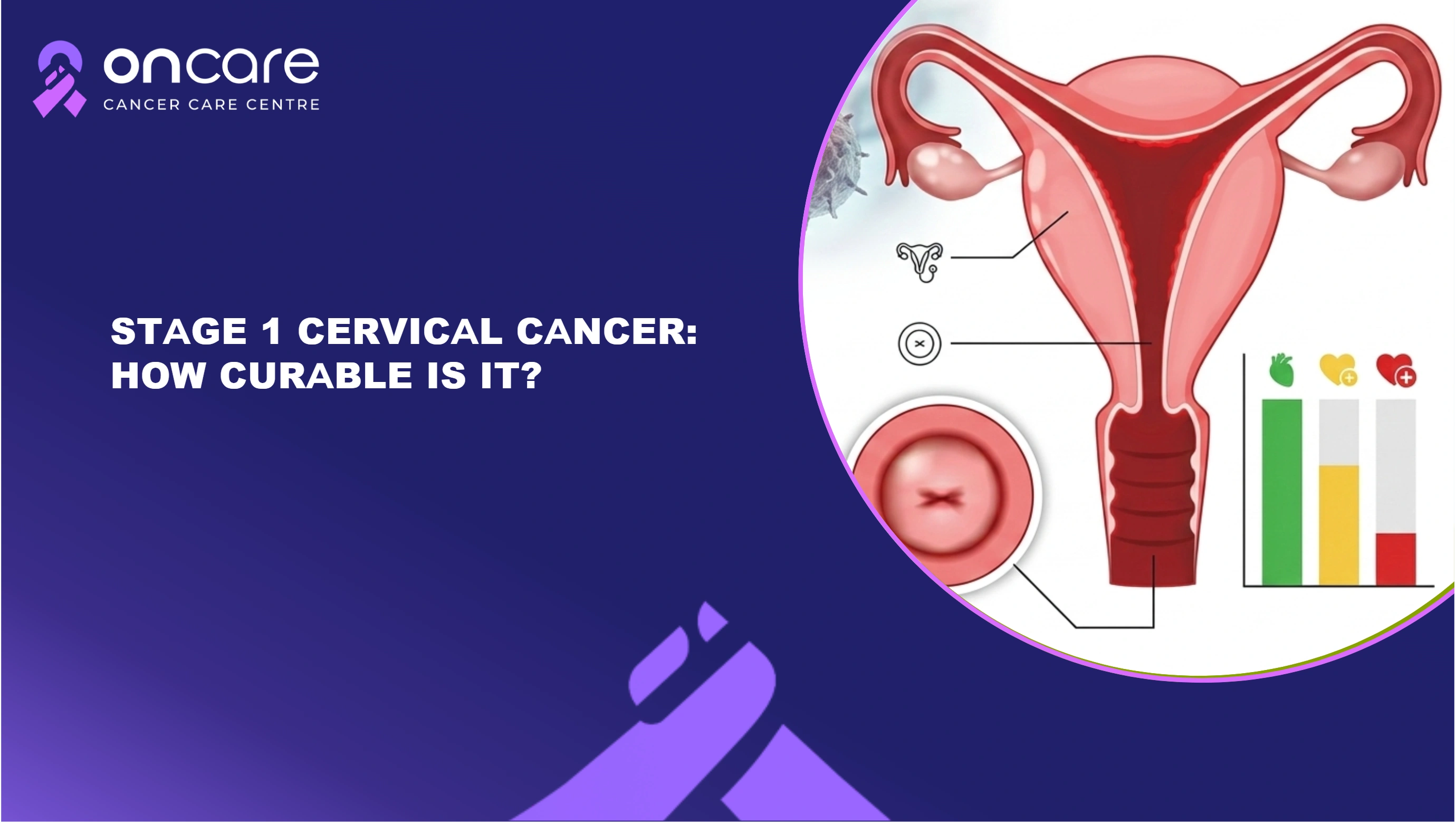
Stage 1 Cervical Cancer: How Curable Is It?
Discover stage 1 cervical cancer treatment options including surgery, radiation, and chemotherapy. Get expert care and personalized support at Oncare Hospital.