Table of Contents
Stage 1 Breast Cancer Symptoms: Early Signs to Notice

By Raveena M Prakash


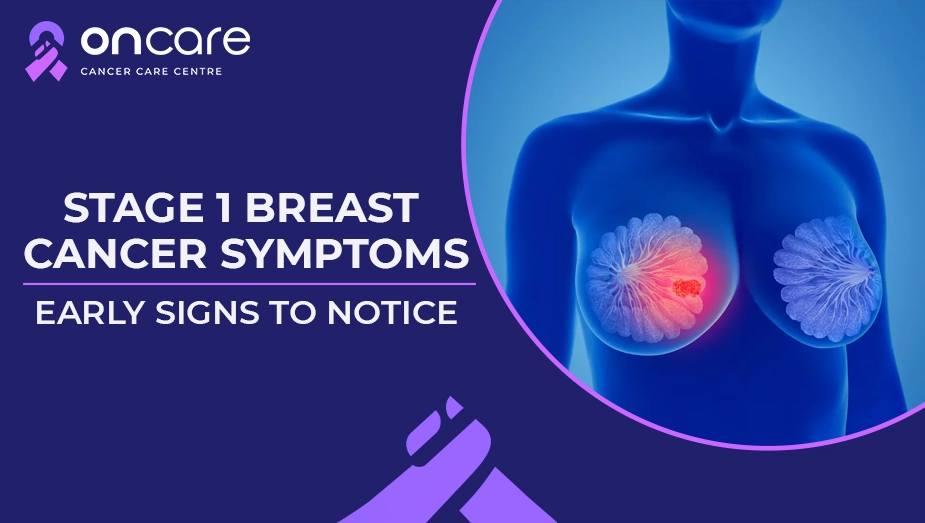
Breast cancer detected at an early stage is highly treatable, with excellent long-term treatment outcomes. Stage 1 breast cancer is considered an early, localized type of cancer, where the tumor is and has not spread extensively. Understanding the early signs and symptoms can make a meaningful difference in early diagnosis and successful treatment.
In this article, we’ll discover more about stage 1 breast cancer and its symptoms and its prognosis and outlook.
What is Stage 1 Breast Cancer?
Stage 1 breast cancer often means that the cancer is still small and confined to the breast, with little or no spread to nearby lymph nodes.
This is typically divided into:
- Stage 1A: In this stage, the tumor is 2cm or smaller and has not spread to lymph nodes.
- Stage 1B: In this stage, small clusters of cancer cells are found in the nearby lymph nodes, with or without a small breast tumor.
At this stage, the disease is often detected through regular cancer screening rather than symptoms, but signs can still occur.
Common early symptoms of Stage 1 Breast Cancer
Early breast cancer does not always cause noticeable symptoms. However, in some cases, some patients might experience subtle changes that should not be ignored.
Here are some of the common early signs of stage 1 breast cancer, including:
A New Lump in the Breast or Underarm
This is the most common and earliest sign of breast cancer. These lumps are usually painless, firm, and irregular in nature. In some cases, these can also feel smooth or rounded in size. These may be found during the self-examination or by a healthcare professional’s consultation.
Changes in Breast size or shape
In some cases, one breast might appear larger or differently shaped than other breasts. In some, swelling can occur even without a proper lump in the breasts.
Breast skin changes
If you are experiencing ‘dimpling’ or ‘puckering’ of the breast skin, sometimes described as orange peel texture. Redness, thickening, or irritation that doesn’t improve over time. These changes may be subtle in the early stages of breast cancer.
Nipple changes
In some cases, women might experience newly inverted or retracted nipples. Additionally, some might experience nipple pain and discomfort. There are changes happening in the nipple's appearance or position.
Unusual Nipple Discharge
If you are started to experience a discharge happens in your breasts without squeezing. These may be clear, bloody or straw-colored in nature. In some women, discharge from only one breast is more concerning, if you are experiencing this, then consult a healthcare provider immediately.
Persistent Breast or Nipple pain
As we all know, most breast pain is not related to cancer; persistent pain in one area of the breasts should be medically evaluated. This is especially important if the pain is new and unexplained and happened without any cause.
Symptoms that are absent in stage 1
It's important to note that many people with stage 1 breast cancer have no symptoms at all. That’s why getting a routine cancer screening plays a crucial role in early diagnosis.
These may include:
- No noticeable lump
- No pain
- No visible skin or nipple changes
If you are suspected of having this cancer due to any family history of breast cancer or having constant pain in your breasts, then do not ignore it. Get an immediate medical evaluation.
Importance of routine screening and early diagnosis
An early stage breast cancer can be silent, that’s why performing regular screening is considered essential.
Here’s how you can perform routine cancer screening, including:
- Mammograms can detect tumors before they can be felt
- Ultrasound or MRI can be used for further screening, especially in dense breast tissue
- Performing clinical examination can complement imaging and self-awareness of this cancer
Early detection at stage 1 often means less aggressive cancer treatment and a higher chance of getting breast-conserving options for patients.
When to consult a doctor
Understanding when to seek a healthcare provider is an essential part of taking proactive steps towards preventing breast cancer in women. While many breast changes are considered harmless, some can signal early-stage breast cancer or other health conditions that require attention.
Being proactive and recognizing early warning signs can allow timely medical evaluation, reassurance, and, if necessary, your healthcare team recommending any specific treatment.
You should consult a healthcare provider if you notice:
- Any new or unusual breast change
- A lump that persists through menstrual cycle
- Skin or nipple changes that do not improve
- An unexplained nipple discharge
An immediate medical evaluation does not always mean cancer or suspected breast cancer, but it also ensures peace of mind for patients and early medical intervention if needed.
Prognosis and Outlook
The outlook for stage 1 breast cancer is very positive when compared to advanced-stage breast cancer, with high survival rates and effective cancer treatment options. Advances in surgery, radiation therapy, and targeted therapies continue to improve the treatment outcomes while minimizing the side effects of stage 1 breast cancer.
Consult Today
Many experts suggest that being familiar with your own body and paying close attention to subtle changes can be a powerful way to get an early diagnosis and medical evaluation. While not every change is cause for alarm, early diagnosis saves lives. Awareness, routine cancer screening, and timely medical care remain the strongest defenses against breast cancer.
At Oncare, we offer premium-quality cancer treatments, including advanced cancer surgeries, at an affordable price range with an experienced cancer specialist consultation.
If you or any loved ones of yours are diagnosed with cancer, then visit Oncare Cancer Hospital and book an appointment with an experienced cancer specialist today! Get an estimated cost of your cancer treatment today.
Frequently Asked Questions
Here are some of the following tests to diagnose this condition, including breast ultrasound, breast magnetic resonance imaging (MR) scan, breast biopsy, immunohistochemistry tests and genetic tests as well.
Surgery is the primary breast cancer treatment; additionally, healthcare providers also combine treatments with surgery with chemotherapy, radiation therapy, and immunotherapy.
Unfortunately nobody can prevent breast cancer. But you can reduce the risk of developing this condition by performing regular examinations and mammograms, which can help the suspected patients detect the cancer easily.
Book an Appointment
Related Blogs

Inflammatory Breast Cancer: A Rare but Aggressive Type
Learn more about inflammatory breast cancer, symptoms, risk factors, difficulties in getting diagnosed with this cancer, and treatments and living with IBC!

Best Breast Cancer Doctors in Delhi: How to Choose the Right Specialist
Learn more about the best breast cancer doctors in Delhi and how to choose the right specialist, key factors to consider, and why the cancer specialist matters!

Stage 2 Breast Cancer Symptoms: Understanding Tumor Growth & Spread
Learn more about Stage 2 breast cancer and its symptoms, tumor growth and spread in the body and common symptoms, treatment options, and when to consult a doctor!

Stage 3 Breast Cancer Symptoms: Expert-Identified Signs
Discover more about stage 3 breast cancer and what are the common symptoms of this stage of breast cancer and why early detection matters and when to consult a doctor!