Table of Contents
Key Factors That Affect the 5-Year Survival Rate of Oral Cancer Patients

By Dr. Gajendra Kumar Himanshu


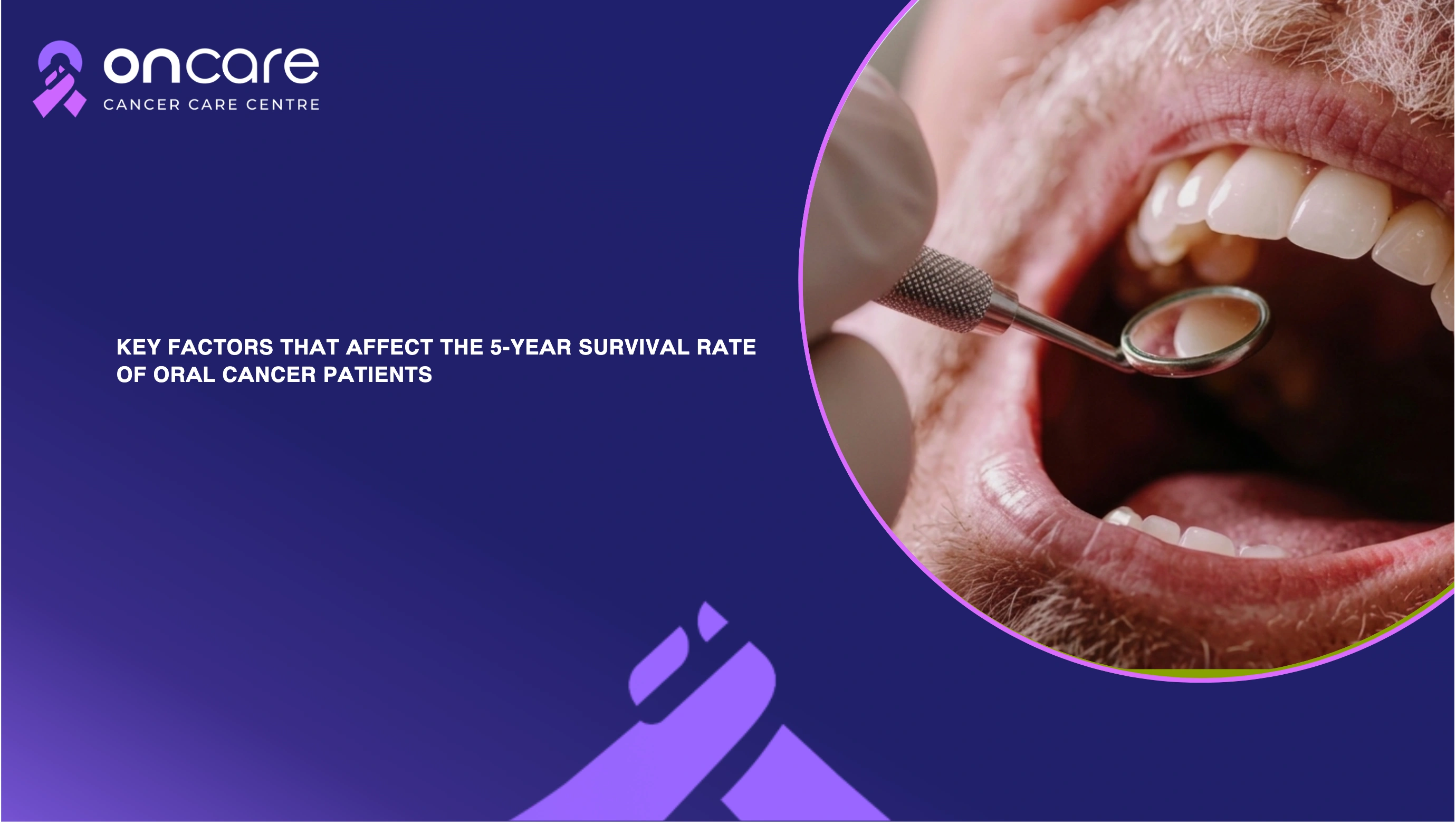
When someone finds out they have oral cancer, one of the first things they think about is how long they will live. A lot of patients and their families want to know how likely it is that they will live longer after being diagnosed. The oral cancer survival rate is an important number that shows how well patients respond to treatment over time.
Oral cancer is a very bad disease that can happen in the mouth, on the lips, tongue, gums, or within the mouth. Treatment can work quite well if the problem is found early. But the oral cancer survival rate can be affected by many things, such as how far along the disease is, how healthy the patient is overall, and how soon treatment starts.
Patients can make better choices about their health and treatment options if they know what the most important elements are that determine the oral cancer survival rate. We will discuss these elements in simple and clear language in this post so that patients and their families can better understand the illness and what they can do to increase their chances of survival.
What You Need to Know About the Oral Cancer Survival Rate
The oral cancer survival rate is usually the percentage of those who live for at least five years after being diagnosed with the disease. This five-year term is a common technique for doctors to examine how well therapies are working.
But survival numbers don't reveal the whole story for every patient. Everyone's scenario is different. Some people may survive much beyond five years, particularly when the cancer is identified early and managed appropriately. The oral cancer survival rate is affected by many things, such as medical, lifestyle, and personal health problems.
Stage of Cancer upon Diagnosis and Oral Cancer Survival Rate
The stage of the cancer when it is first diagnosed is one of the most critical things that impacts the oral cancer survival rate. Cancer stages tell you how big the tumor is and if it has spread to other parts of the body or adjacent tissues.
When oral cancer is found early, the tumor is usually tiny and only affects one part of the mouth. In some situations, surgery or radiation therapy can effectively remove or kill the cancer. Because of this, those who find out they have oral cancer early have a considerably better oral cancer survival rate.
If the cancer is found later, it may have already spread to lymph nodes or other regions of the body. This makes therapy harder and may diminish the chances of survival. Regular dental examinations and early medical evaluations can help find the condition sooner.
The Patient's Overall Health and Oral Cancer Survival Rate
The overall health of a person is also very important for their chances of surviving oral cancer. People who are typically healthy tend to do better with therapies like surgery, chemotherapy, or radiation therapy, which can positively affect the oral cancer survival rate.
For instance, persons with robust immune systems may get better faster after therapy. Patients with other health concerns, such diabetes, heart disease, or lung problems, may have a harder time getting therapy.
During cancer therapy, a healthy lifestyle, good nutrition, and regular exercise can help the body. Doctors typically tell their patients to stay strong and healthy to help them get better and raise the oral cancer survival rate.
Risk Factors and Lifestyle Choices Affecting Oral Cancer Survival Rate
Some habits that people have can potentially affect the oral cancer survival rate. One of the main causes of oral cancer is using tobacco, which includes smoking cigarettes or chewing tobacco. Drinking alcohol can also raise the risk, especially when mixed with smoking.
Patients who persist in these behaviors post-diagnosis may encounter protracted recovery or an elevated risk of cancer recurrence. Giving up smoking and drinking less alcohol can help the body heal better and enhance the benefits of treatment.
Oral cancer can sometimes be caused by viruses like human papillomavirus (HPV). Knowing these risk factors and adopting healthy changes will help everyone and raise the oral cancer survival rate.
Getting Treatment Early and Correctly for a Better Oral Cancer Survival Rate
Another important thing that impacts the oral cancer survival rate is how easy it is for them to get timely and good medical care. Getting the right therapy from skilled doctors as soon as possible can make a big difference in how long someone lives.
People with oral cancer may need surgery, radiation therapy, chemotherapy, or a combination of these treatments. The patient's health and the stage of the malignancy will determine the treatment approach.
Hospitals that focus on cancer care usually have the latest technology and highly trained medical staff that can give you the best care possible. It is also crucial to have regular follow-up visits and checkups to make sure the cancer does not come back.
Consult Today
The oral cancer survival rate depends on a number of significant things, such as the stage of the cancer when it is diagnosed, the patient's overall health, lifestyle choices, and access to the right medical care. Oral cancer is a very serious disease, but finding it early and getting the appropriate therapy can dramatically enhance your chances of survival.
People who pay attention to early signs, keep up healthy habits, and get medical care right away often do better. Regular dental examinations and being aware of changes in your mouth can help you find the condition early on and improve the oral cancer survival rate.
Choosing the correct treatment center is very important if you or someone you care about has oral cancer. Oncare Cancer Hospital has highly trained specialists, cutting-edge equipment, and full-service care to give oral cancer patients the best possible therapy and support.
Frequently Asked Questions
The average five-year oral cancer survival rate is between 60 and 70 percent, but it can be greater if the cancer is found early.
Yes, early detection greatly increases the oral cancer survival rate since therapy can begin before the cancer spreads.
Some common symptoms are sores in the mouth that don't heal, lumps in the mouth, red or white patches, pain, and trouble eating or swallowing.
Yes, stopping smoking, drinking less alcohol, eating a nutritious diet, and following your doctor's recommendations can all help you get better and improve the oral cancer survival rate.
Book an Appointment
Related Blogs
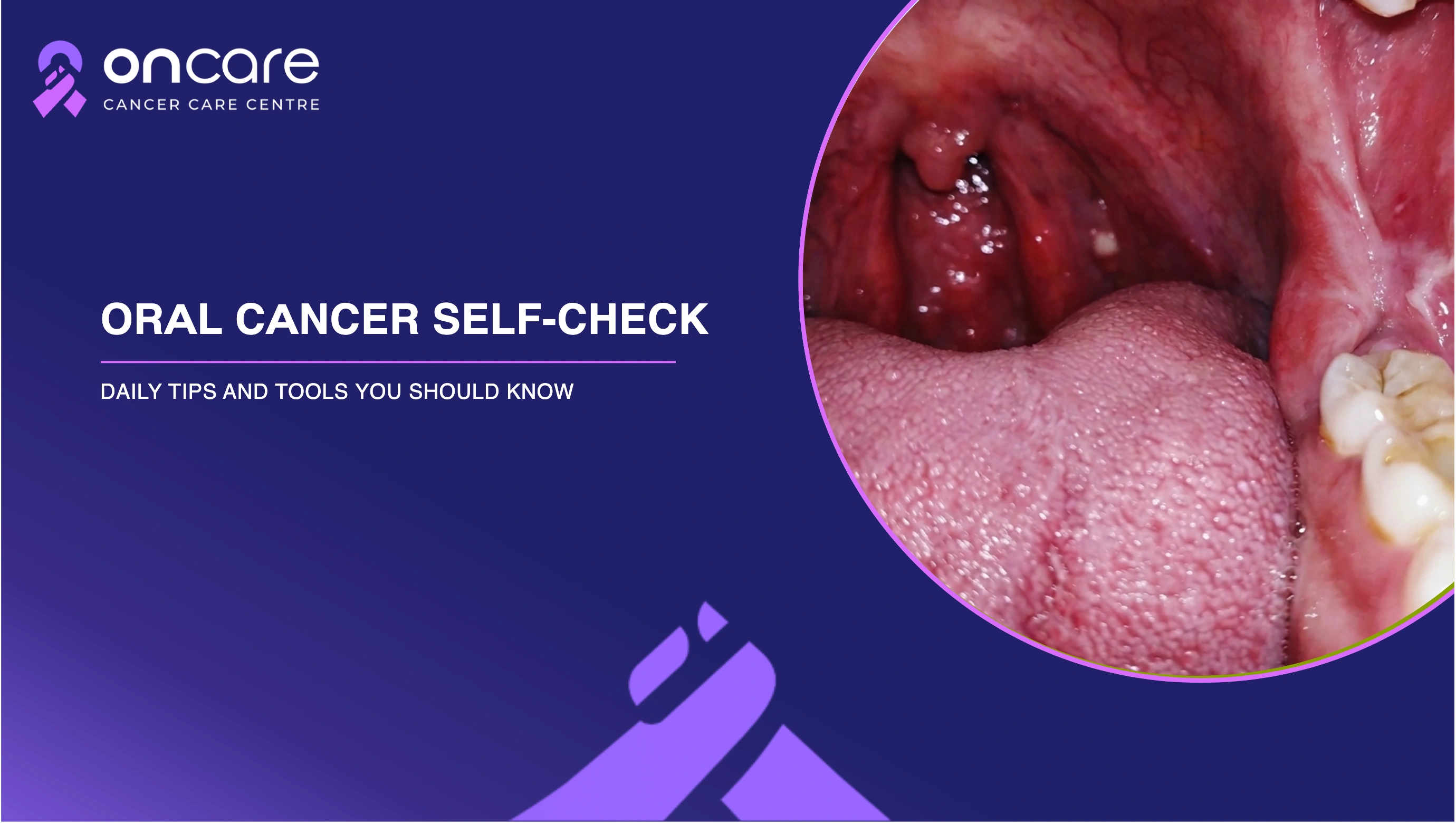
Oral Cancer Self-Check: Daily Tips and Tools You Should Know
Learn simple oral cancer self check tips to spot early signs in your mouth. Detect unusual patches, sores, or lumps early for timely treatment and care.
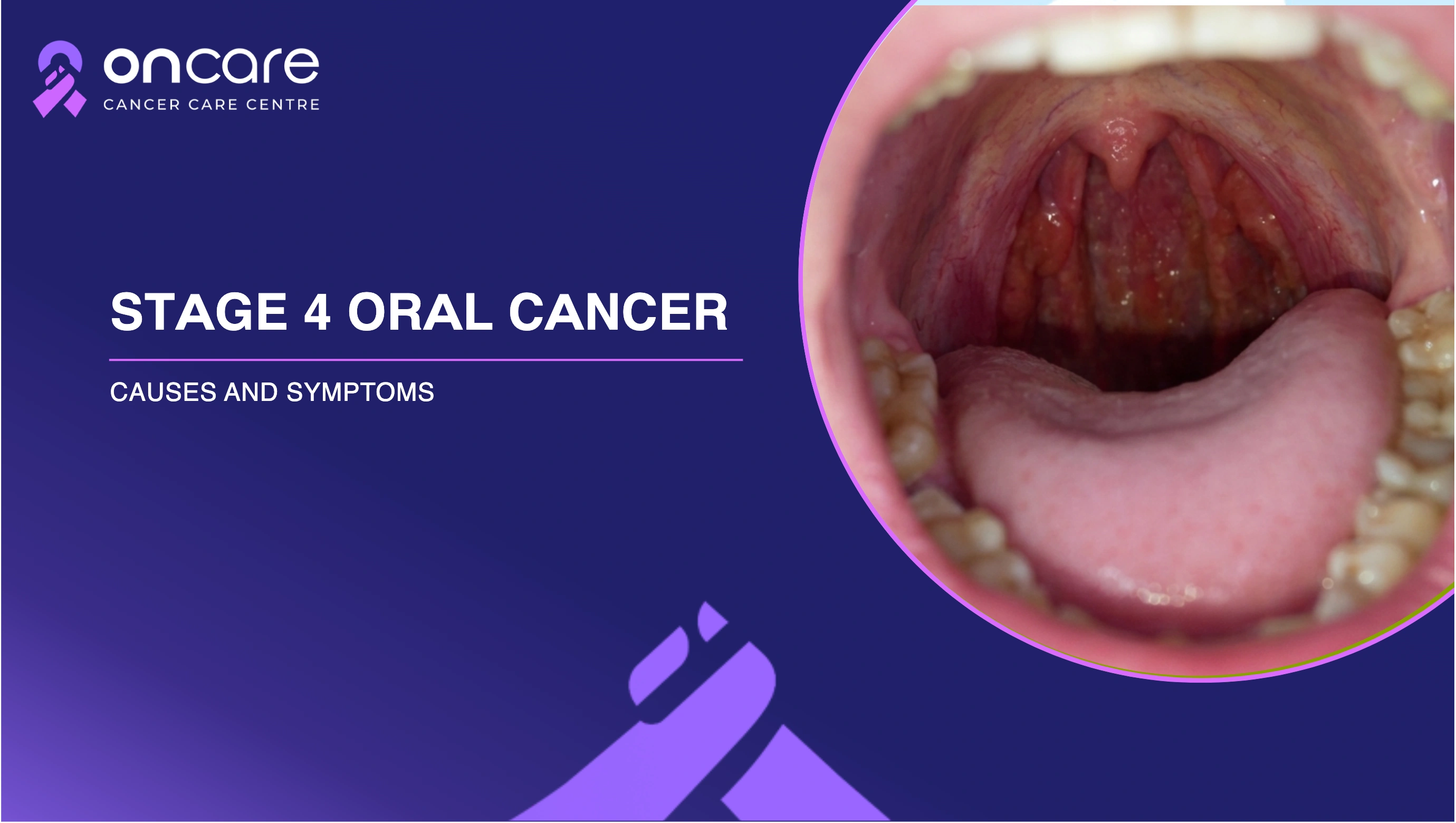
Stage 4 Oral Cancer: Causes and Symptoms
Learn about stage 4 oral cancer causes and symptoms, warning signs, risk factors, and when to see a doctor. Early action can improve treatment outcomes.
How to Check for Oral Cancer at Home?
Learn how to check for oral cancer at home. Spot early signs like sores or patches. Monthly self-checks and healthy habits can help prevent oral cancer.
Is Oral Sex Linked to Throat Cancer? Facts vs Myths
Can oral sex cause throat cancer? Learn the real facts about HPV, early throat cancer symptoms, myths vs truth, prevention tips, and when to see a doctor.