Table of Contents
Oral Cancer Self-Check: Daily Tips and Tools You Should Know

By Prashant Baghel


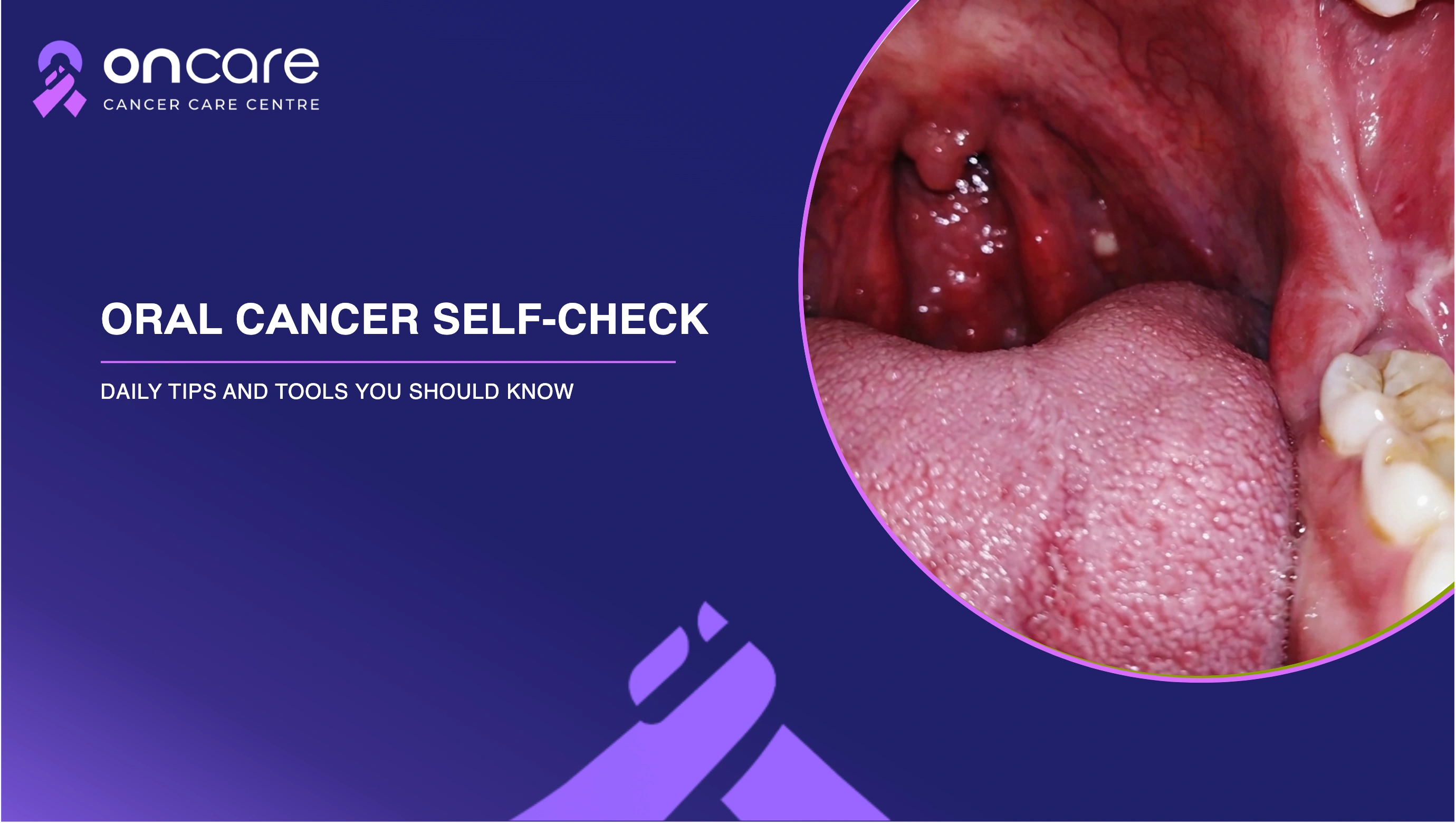
Have you ever really looked inside your mouth and paid attention to what you see? We brush our teeth every day, but we don't often look closely at our tongue, gums, or cheeks. At first, a small sore or patch may not seem like a big deal. But little things that happen in the mouth can sometimes be signs of a big problem. That's why it's important to know oral cancer self check tips and how to check for oral cancer on your own.
Oral cancer can grow slowly, and at first, it may not hurt. A lot of people don't pay attention to early warning signs because they feel fine. It only takes a few minutes to do a simple self-check at home, but it can help you spot unusual changes early. You will learn very simple and clear oral cancer self check tips in this article. This will help you protect your health with confidence.
Why It's Important to Check for Oral Cancer Yourself
The lips, tongue, gums, inner cheeks, roof of the mouth, and throat can all get oral cancer. Treatment is often more effective and less complicated when it is discovered early. It can be harder and more stressful to treat something if you find it late.
A self-check doesn't take the place of a doctor's visit, but it does help you keep track of your body. A lot of people don't find out about problems until the symptoms get bad. You have a better chance of catching warning signs early if you follow simple oral cancer self check tips regularly.
Finding It Early Saves Lives
A small red or white patch on the mouth may be a sign of early oral cancer. It could look like a sore that won't go away. Most of the time, these changes don't hurt. People put off going to the doctor because they aren't in pain.
You get to know what your mouth normally looks like when you follow oral cancer self check tips every month. It is easier to see when something changes.
Who Needs to Be Extra Careful
Oral cancer can happen to anyone, but some people are more likely to get it. People who smoke, chew tobacco, drink a lot of alcohol, or have an HPV infection are more likely to get it. Long-term exposure to the sun on the lips and poor oral hygiene can also raise the risk.
Even if you don't have any of these risk factors, it's still a good idea to include oral cancer self check tips in your regular health routine.
Oral Cancer Self Check Tips
It's easy to check yourself for oral cancer at home. You just need a mirror, good lighting, and clean hands. Pick a time when you are calm, like after you brush your teeth.
Stand in front of a mirror with a lot of light. Take out any false teeth you may have. Before you start, wash your hands. Now take a close look at and touch different parts of your mouth while following these oral cancer self check tips.
Looking at Your Lips
Pull your lower lip down and look inside. After that, look at the area under your upper lip. Check for sores, lumps, or color changes. Lips that are healthy are usually pink and smooth on the inside.
If you have a sore that doesn't heal in two weeks, you should see a doctor right away. Following oral cancer self check tips means being careful about small things.
Looking at Your Cheeks and Gums
Look at your gums by opening your mouth wide. Look for swelling, bleeding spots, or strange patches. Then, with your fingers, gently pull your cheeks out and look at the inside.
Cheeks that are healthy are soft and pink. Don't ignore red patches, white spots, or thick areas. Sometimes, these are signs that something is wrong, which is why oral cancer self check tips are important.
Looking at Your Tongue
Look at the top of your tongue when you stick it out. Then raise it up to look underneath. You should also move it from side to side to check the edges.
Gently touch your tongue with your fingers. Check for lumps, sores, or changes in texture. The tongue is one of the most common places for oral cancer to start. When looking at this area, oral cancer self check tips are very important.
Looking at the Roof and Floor of the Mouth
To see the roof of your mouth, tilt your head back and open your mouth wide. Then put your tongue on the roof of your mouth and look at the floor of your mouth under it.
Gently run your finger over the area to see if you can feel any lumps or hard spots. You should see a doctor if you have any swelling or a sore that won't go away. These oral cancer self check tips can help you notice early warning signs.
Signs of Danger That You Should Not Ignore
Some warning signs need to be dealt with right away while following oral cancer self check tips. One of the most common signs is a sore that doesn't heal in two weeks. Bleeding in the mouth for no apparent reason is another worry.
You shouldn't ignore pain, numbness, or trouble swallowing that doesn't go away. If your voice changes or you feel a lump in your neck, it could mean something worse is going on.
Don't forget that not every sore is cancer. But if things don't get better, it's always best to see a doctor for safety after following oral cancer self check tips.
Daily Habits That Are Good for Your Teeth and Gums
Self-checking is just one way to stop something from happening. Daily habits that are good for you can lower your risk of oral cancer. Brushing your teeth twice a day and flossing often will keep your mouth clean. It's also important to go to the dentist for regular checkups.
Don't use tobacco in any way. Drink less alcohol. Eat a healthy diet that includes a lot of fruits and vegetables. Use lip balm with sun protection to keep your lips safe from strong sunlight.
You can protect your mouth health by combining healthy habits with oral cancer self check tips.
When to Go to the Doctor
If you see something strange that lasts longer than two weeks, you should go to the doctor or dentist. Don't wait for the pain to come. Oral cancer in its early stages might not hurt.
Doctors may do a physical exam and, if necessary, suggest a biopsy or imaging test. Finding out about a problem early on makes it more likely that treatment will work.
Regularly using oral cancer self check tips will help you know when something doesn't feel right.
Consult Today
Your mouth can tell you a lot about your health right away. If you look at your lips, tongue, gums, and cheeks for just five minutes once a month, you can catch warning signs early. These easy oral cancer self check tips can save lives.
Keep in mind that checking yourself does not take the place of professional care. If you see sores, patches, lumps, or pain that doesn't go away, see a doctor right away. Finding problems early makes treatment easier and more likely to work.
Oncare Cancer Hospital has modern facilities and experienced doctors who can give you an expert diagnosis, advanced treatment, and compassionate care. Getting medical help right away can make a big difference if you have any worries about your oral health or cancer symptoms.
Frequently Asked Questions
You should check yourself once a month in a well-lit room with a mirror.
It's common to have a sore, red, or white patch in the mouth that doesn't go away after two weeks.
No, early oral cancer doesn't usually hurt, which is why it's important to follow oral cancer self-check tips regularly.
Yes, see a doctor if the sore doesn't go away after two weeks for a proper evaluation.
Book an Appointment
Related Blogs
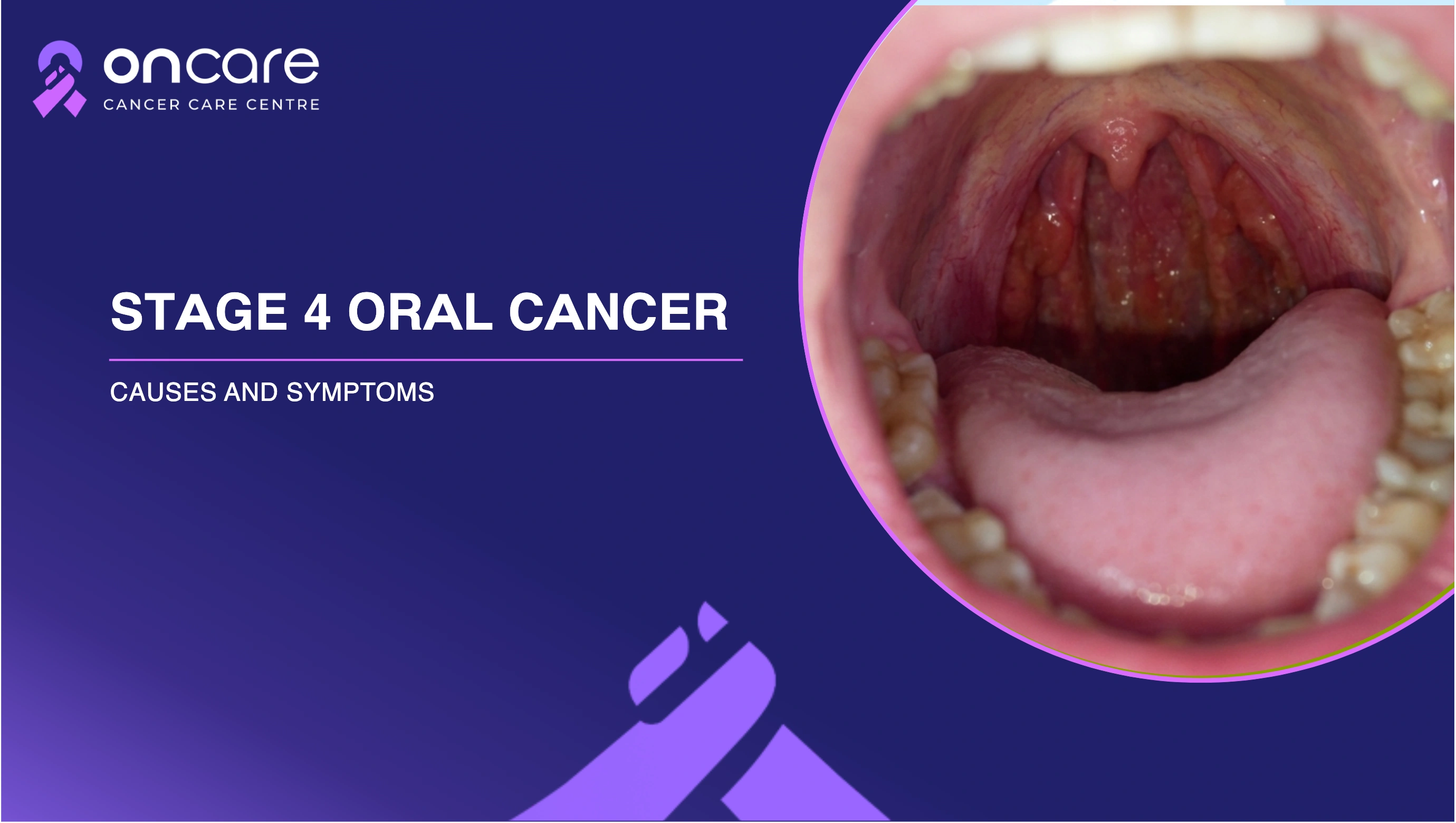
Stage 4 Oral Cancer: Causes and Symptoms
Learn about stage 4 oral cancer causes and symptoms, warning signs, risk factors, and when to see a doctor. Early action can improve treatment outcomes.
How to Check for Oral Cancer at Home?
Learn how to check for oral cancer at home. Spot early signs like sores or patches. Monthly self-checks and healthy habits can help prevent oral cancer.
Is Oral Sex Linked to Throat Cancer? Facts vs Myths
Can oral sex cause throat cancer? Learn the real facts about HPV, early throat cancer symptoms, myths vs truth, prevention tips, and when to see a doctor.
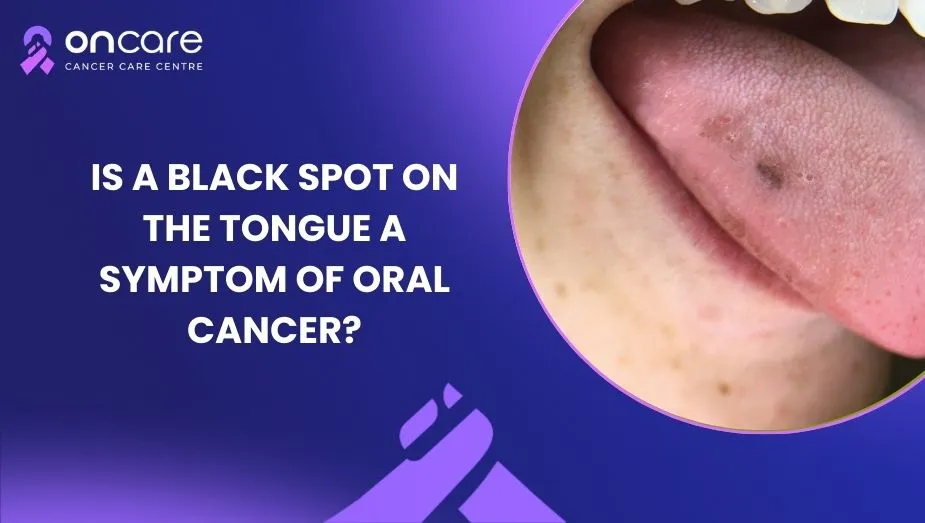
Is a Black Spot on the Tongue a Symptom of Oral Cancer?
A black spot on the tongue can be harmless or serious. Learn the causes, risk factors, symptoms, diagnosis, and when a black spot may need medical attention.