Table of Contents
Non-Small Cell Lung Cancer: Real Warning Signs to Watch

By Raveena M Prakash


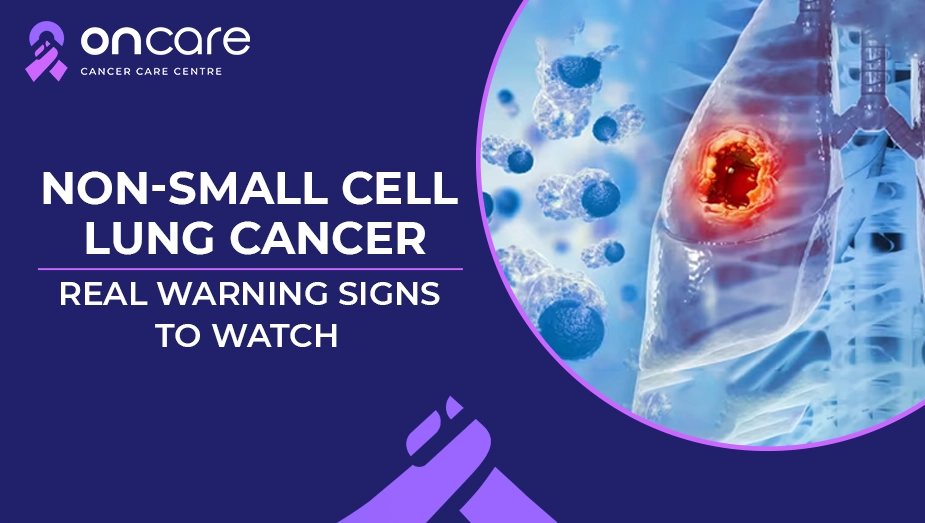
Lung cancer is often described as a silent killer because most of its early symptoms are missed as any ordinary health concerns. Many people ignore early symptoms because they might appear minor or common and are neglected due to less serious health concerns. Non-small cell lung cancer (NSCLC), the most common type of lung cancer, often develops quietly, making awareness of its warning signs crucially important. Understanding what your body tells you about can lead to early diagnosis, more treatment options, and better treatment outcomes.
In this article, we’ll discover more about the real and often missed signs of NSCLC and explain when it's time to seek medical attention.
What is Non-small Cell Lung Cancer?
Non-small cell lung cancer develops when abnormal cells form and multiply in your lungs. NSCLC is one of the two main types of lung cancer. While NSCLC is the most common type of lung cancer, it accounts for 80-85% of all lung cancer cases.
The common types of NSCLC including:
- Adenocarcinoma
- Squamous cell carcinoma
- Large cell carcinoma
NSCLC can affect both smokers and non-smokers similarly, and the majority of symptoms cannot appear until the disease has progressed.
Early warning signs people often ignore
Many early warning signs of non-small cell lung cancer are mild and subtle in nature and easy to dismiss as everyday health issues.
A chronic cough that doesn’t go away
A cough that lasts more than two to three weeks, especially in some patients whose coughing gets worse over time, should never be ignored. This is one of the earliest and most common signs of lung cancer.
Always watch for these signs, including:
- A cough that becomes more frequent
- A cough that sounds more unusual than before
- Coughing that disrupts sleep
Shortness of breath
Experiencing the feeling of being winded during normal activities, such as walking, climbing stairs, or performing light exercises, can signal that a tumor is blocking the airflow or affecting the lung capacity.
These symptoms are often dismissed as:
- Aging
- Lack of fitness
- Weight gain
But if you are experiencing these conditions persistently and feeling breathlessness, then you may need to get an immediate medical evaluation.
Chest pain or discomfort
If you are experiencing any of these signs such as pain in the chest, shoulder or upper back that worsen with:
- Deep breathing
- Coughing
- Laughing
These may generally indicate that the cancer is affecting the surrounding tissues or nerves.
Fatigue that doesn’t improve even after getting enough rest
People don't know that cancer-related fatigue is different from everyday tiredness. If you are getting people with NSCLC, they often describe it as
- Constant exhaustion
- Feeling drained even after getting enough sleep
- Difficulty completing routine tasks
- Constant fatigue without a clear cause should not be ignored.
More serious symptoms to watch out for
Coughing up with blood
Even a small amount of blood in mucus or saliva is a major red flag. This symptom requires immediate medical attention, regardless of how minor it appears.
Recurrent chest infections
If you are experiencing any of these conditions, including frequent incidence of bronchitis or pneumonia, especially in the same area of the lung, that can signal an underlying blockage caused by a tumor.
Unexplained weight loss and loss of appetite
If you are experiencing sudden weight loss without making any major changes in your diet or physical activity, then it can be a sign that your body is fighting against cancer.
Here are some of the signs that might appear when cancer spreads, including:
As NSCLC starts to advances, symptoms may include:
- Bone pain (hips, spine, and ribs)
- Headaches or dizziness
- Hoarseness
- Voice changes
- Swelling of the neck or face
Why early detection matters
Early detection of non-small cell lung cancer can significantly influence the treatment success and long-term treatment outcomes. When lung cancer is identified in its early stages, it is often more localized and easier to treat, giving patients greater access to a wider range of effective treatment options.
In early-stage NSCLC, treatment may involve surgical removal of the cancer and tumors, often combined with targeted therapy and radiation therapy. These treatment approaches are more likely to be curative in nature while the cancer has spread beyond the lungs. On the other hand, an advanced stage of lung cancer typically requires more complex treatments aimed at controlling and managing the disease rather than curing it.
Who is at higher risk
While smoking remains the leading risk factor for non-small cell lung cancer, the disease can also affect non-smokers. Additionally, people exposed to secondhand smoke, air pollution, radon, or workplace chemicals along with a family history of lung cancer are also at an increased risk.
Because NSCLC can also develop even without a history of smoking, being aware of these symptoms and seeking timely medical advice is important for everyone.
When should you consult a doctor
If you start to experience mild or common respiratory issues, especially if they last longer than two to three weeks or continue to worsen, then you should consult a doctor.
If you experience any of the following symptoms, including
- A persistent cough that does not improve or becomes more frequent over time
- Shortness of breath during everyday activities or at rest
- Chest pain that worsens with deep breathing, coughing, or movement
- Unexplained fatigue that interferes with daily life
- Recurrent respiratory infections, such as bronchitis or pneumonia
- Unintentional weight loss or loss of appetite without a clear cause
Consult Today
Non-small cell lung cancer is often ignored due to its symptoms often getting neglected and considered as everyday health issues, which is why most lung cancer cases get diagnosed in the advanced stages. Always pay close attention to constant changes happening in your body, especially breathing, energy levels, and cough patterns, because awareness and early diagnosis can make a huge difference in saving lives.
At Oncare, we offer premium-quality cancer treatments, including advanced cancer surgeries, at an affordable price range with an experienced cancer specialist consultation.
If you or any loved ones of yours are diagnosed with cancer, then visit Oncare Cancer Hospital and book an appointment with our experienced cancer specialist today. Get an estimated cost of your cancer treatments today!
Frequently Asked Questions
The non-small cell lung cancer may include chest pain, chronic cough, coughing up blood, hoarseness, loss of appetite, shortness of breath, tiredness and wheezing.
The most common risk factor for lung cancer is a history of smoking. Other known risk factors may include a family history of lung cancer, asbestos exposure, exposure to metal and mineral dust, exposure to radon, a naturally occurring radioactive gas, respiratory health conditions like pulmonary fibrosis and COPD, and radiation therapy to the breast or chest.
One of the major complications of non-small cell lung cancer is that it can spread to other parts of the body; most commonly, it can spread to the adrenal glands, bones, brain, liver, lymph nodes, and skin.
Book an Appointment
Related Blogs
Small Cell Lung Cancer: Rapidly Growing But Treatable
Learn more about small cell lung cancer and why it is considered an aggressive type, treatments, and the importance of early detection and smoking cessation.
Lung Cancer ICD-10: Accurate Coding for Diagnosis
Learn more about lung cancer, types of ICD codes for lung cancer, and the common coding errors to avoid, and the best practices for accurate lung cancer coding!
Stage 3 Lung Cancer: How It Spreads and What Happens Next
Learn more about lung cancer and stage 3 symptoms, how stage 3 lung cancer spreads, treatments and the side effects, and the importance of emotional impact!
Stage 1 Lung Cancer: Difference Between Stage 1A and 1B
Learn more about stage 1 lung cancer and understand the key difference between 1A and 1B lung cancer, its symptoms, its treatments, and the importance of early detection!