
What happens when cancer moves about inside the body instead of staying in one place? Many people with metastatic liver cancer have to deal with this. It might sound scary, but knowing how metastatic liver cancer gets worse might help you feel less scared and clearer. Metastatic cancer indicates that the cancer has moved from one part of the body to the liver.
Patients and their families can make the proper choices about treatment and care if they know how metastatic liver cancer grows and changes over time.
What You Need to Know About Metastatic Liver Cancer
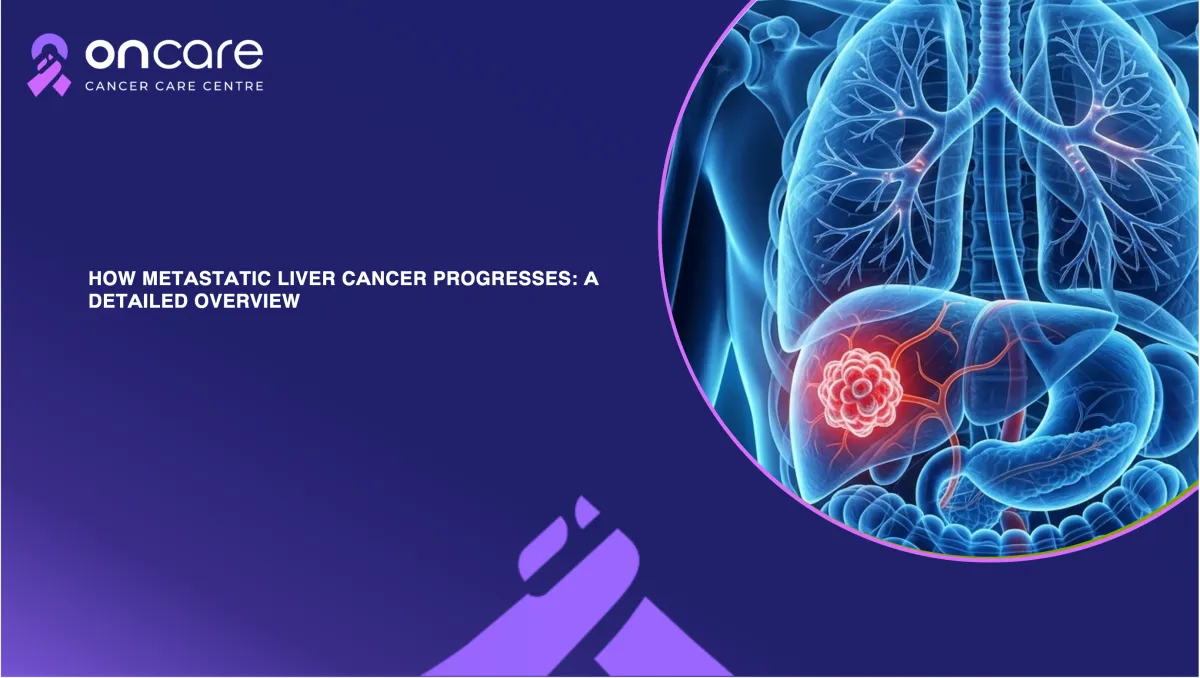
Metastatic liver cancer does not start in the liver. It starts in a different organ, like the colon, breast, or lungs, and then travels to the liver. Because it filters blood from various places of the body, the liver is a typical place for cancer to spread. Cancer cells can proliferate and produce new tumors once they get to the liver. The first step in learning how the disease becomes worse is to understand metastatic liver cancer.
How Cancer Cells Get to the Liver
Cells that cause cancer can move through the blood or the lymphatic system. These cells can break away from the original tumor and travel across the body. They might even end up in the liver. This is how metastatic liver cancer spreads to the liver. Cancer cells can develop more easily in the liver because it has a lot of blood, in cases of metastatic liver cancer.
Changes in the Liver Early
There might not be many signs of metastatic liver cancer in the beginning. Small tumors may begin to develop in the liver without producing discernible issues. This makes it hard to find out about metastatic liver cancer early. But at this point, treatment may work better if metastatic liver cancer is identified.
Spread and growth in the liver
As metastatic liver cancer gets worse, the tumors get bigger and may even multiply. This can change how the liver works. The liver is very crucial for digestion and getting rid of toxins in the body. When it is affected, people may start to feel tired, lose their appetite, and feel bad due to metastatic liver cancer.
Stages of Progression in Liver Cancer That Has Spread
Metastatic liver cancer doesn't necessarily follow a rigid stage system as other cancers do. Instead, it usually goes from early spread to more advanced involvement of the liver and other organs in metastatic liver cancer.
More and bigger tumors
Over time, metastatic liver cancer can cause the liver to grow more than one tumor. These tumors can get bigger and take up more area, which would make the good liver tissue smaller. This can make it hard for the liver to do its job in metastatic liver cancer.
Effect on Liver Function
As the disease gets worse, metastatic liver cancer can make it hard for the liver to do its normal jobs. The liver could have trouble getting rid of poisons and processing nutrients. This might cause symptoms like jaundice, a swollen stomach, and weakness in metastatic liver cancer.
Spread to Other Parts of the Body
In advanced stages, metastatic liver cancer may keep spreading to other areas of the body. This can make the problem difficult to understand and treat. At this point, doctors are mostly concerned with controlling metastatic liver cancer and making life better.
Signs of Advanced Stages
Symptoms of metastatic liver cancer become increasingly obvious as the disease gets worse. Patients may feel very tired, have pain in the upper abdomen, lose weight, and their skin may turn yellow. These symptoms need to be looked at by a doctor and treated properly for metastatic liver cancer.
How to Treat and Manage Metastatic Liver Cancer
Metastatic liver cancer is a terrible condition, but there are treatments that can help control it and make people live longer.
Available Medical Treatments
To treat metastatic liver cancer, doctors may employ chemotherapy, targeted therapy, or immunotherapy. The goal of these treatments is to slow down the growth of cancer and make symptoms less severe in metastatic liver cancer.
What surgeries and procedures do
In some circumstances, surgery or techniques like ablation may be utilized to get rid of or kill tumors in the liver. This is based on how many and how big the tumors are in metastatic liver cancer.
Why Supportive Care Is Important
Supportive treatment is very important for those with metastatic liver cancer. It involves help with pain, good nourishment, and mental support. This helps people live a better life while dealing with metastatic liver cancer.
Regular Checkups and Follow-ups
Through scans and testing, doctors keep a careful eye on metastatic liver cancer. This helps keep an eye on how the condition is becoming worse and change treatment as needed for metastatic liver cancer.
Having Metastatic Liver Cancer
It can be hard to live with metastatic liver cancer, but patients can do better with the correct care and support.
Support for your mind and emotions
Finding that you have metastatic liver cancer can be stressful and scary. Patients can deal with their feelings better by talking to family, friends, or counselors.
Choices toward a healthy lifestyle
Eating a healthy diet, staying active, and staying away from bad habits can all help your health. These methods won't cure metastatic liver cancer, but they can make you feel better and stronger.
The Importance of Getting Medical Help Right Away
Getting medical care early will help you deal with metastatic liver cancer better. Timely treatment can slow down the disease and make things better for metastatic liver cancer.
Consult Today
When cancer spreads from one part of the body to the liver, it causes metastatic liver cancer, which is a very dangerous condition. Patients and their families can keep informed and ready by knowing how it progresses. It might be hard, but modern therapies and supportive care can help control the disease and make life better.
For diagnosis and treatment guidance, you can consult the oncology team at Oncare Cancer Hospital.
Frequently Asked Questions
1. What is liver cancer that has spread?
It is cancer that starts in one part of the body and travels to the liver, known as metastatic liver cancer.
2. What are the first indicators of liver cancer that has spread?
Early indicators may be tiredness, not wanting to eat, and slight pain in the stomach in metastatic liver cancer.
3. Is it possible to treat metastatic liver cancer?
Metastatic liver cancer is not usually completely curable, but treatment can help control the condition and make life better.
4. What do doctors do to treat metastatic liver cancer?
Depending on the illness, chemotherapy, targeted therapy, surgery, and supportive care are all used to treat metastatic liver cancer.