Table of Contents
5 Ways to Manage Stress After a Cervical Cancer Diagnosis

By Dr. Gajendra Kumar Himanshu


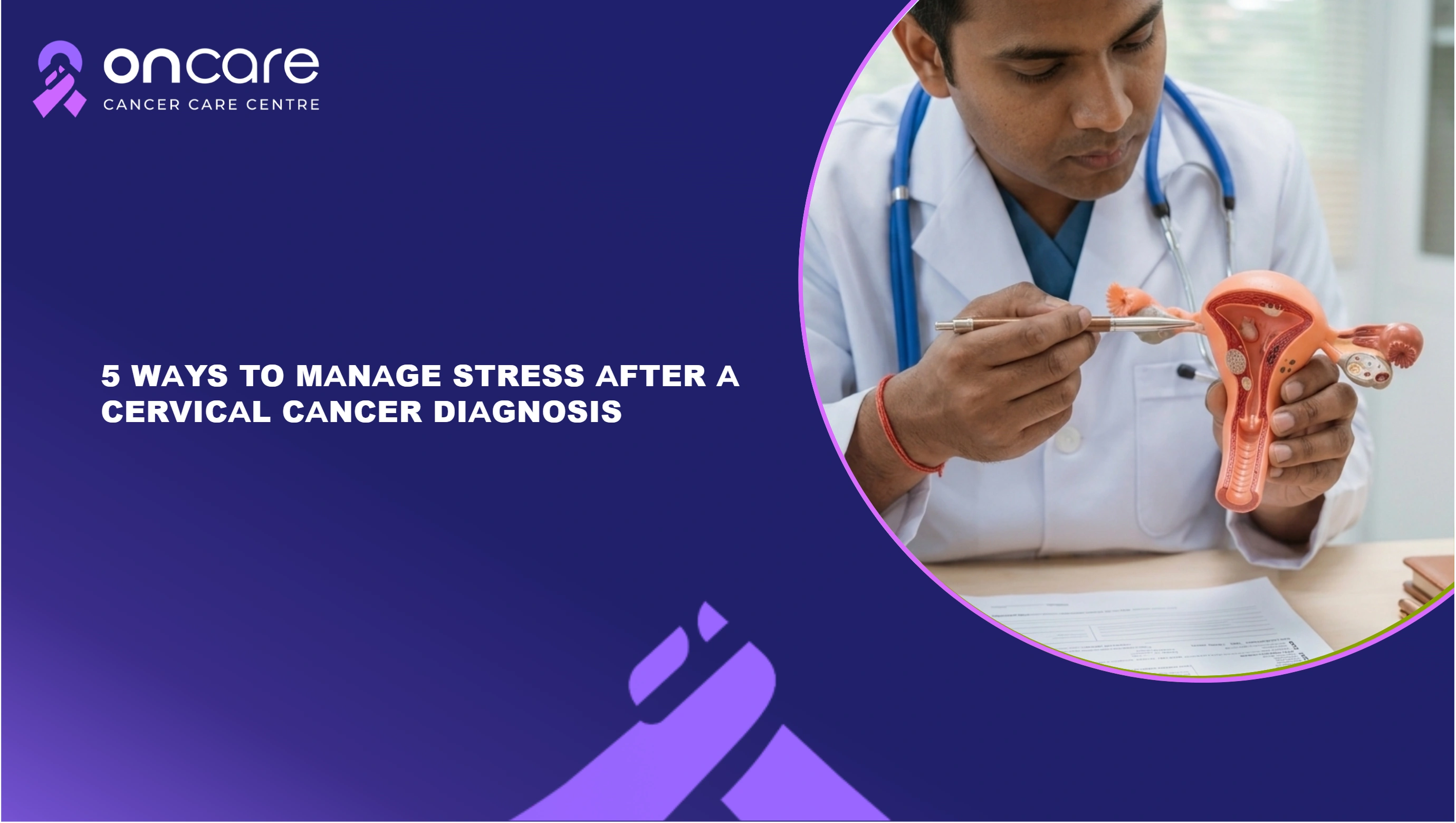
Hearing "you have cervical cancer" can be very hard to take. Many women say that as soon as they find out they have cancer, their brains are flooded with worry, doubt, and questions that never seem to end. Thinking about therapy, family, work, and the future can be very stressful. At this moment, it's normal to feel stressed.
Stress impacts more than simply how you feel after you find out you have cancer. It could also change your energy levels, appetite, sleep, and overall wellness. This is why it's so important to understand how to deal with stress after being diagnosed with cervical cancer. Patients who can handle their stress well often feel stronger, more hopeful, and ready for therapy.
The good news is that there is a simple and helpful technique to deal with this tension. During the cancer journey, small changes to everyday routines, emotional support, and a positive attitude can make a big difference. In this article, we'll talk about five helpful ways that can improve emotional wellness and help women feel calm and in charge.
Recognizing Stress Following a Cervical Cancer Diagnosis
A diagnosis of cervical cancer can cause a range of emotions. Some people initially experience shock or denial. Others might be concerned about the course of treatment, potential side effects, or potential changes in their lives. Concerns about their families and responsibilities also cause anxiety in many women.
Stress at this time does not indicate weakness. When someone has a serious medical condition, this is a typical response. On the other hand, prolonged stress may make the cancer journey more challenging. Sleep, mood, and even the capacity to concentrate on treatment can all be impacted by high levels of stress.
Patients may feel more balanced if they learn healthy coping mechanisms for stress. Additionally, it can strengthen the mind, which is crucial when undergoing medical procedures.
Discuss Your Emotions
Talking about your feelings is one of the best ways to deal with stress following a cervical cancer diagnosis. Emotions that are suppressed can exacerbate stress and anxiety.
Emotional relief can be obtained by discussing ideas with loved ones, close friends, or a reliable individual. Sometimes the mind feels lighter simply by expressing worries and fears. Speaking with counselors or joining support groups, where they can connect with others going through similar experiences, is another way that many cancer patients find solace.
These discussions serve as a reminder to patients that they are not alone and that there is always emotional support available.
Pay Attention to Little Daily Routines
After being told they have cancer, people may feel like their lives are up in the air. Keeping simple daily rituals might help you feel comfortable and stable.
Eating well, reading a book, taking a short walk, or getting up at the same time every day are all simple activities that can help keep your mind clear. These rituals provide you a sense of control and normalcy, even when things are tough.
Patients don't have to work too hard. The primary goal is to keep up with simple and easy activities that are good for both your body and mind.
Engage in Mindfulness and Relaxation
Stress can be effectively reduced by using relaxation techniques. Simple exercises like deep breathing, meditation, or light yoga are often recommended by doctors.
Exercises involving deep breathing can reduce heart rate and promote mental relaxation. Patients who practice meditation may find it easier to concentrate on the here and now rather than worrying about the future. Anxiety can be decreased and emotional equilibrium can be enhanced by even a short period of quiet time each day.
During treatment, it can also be beneficial to write in a journal, practice gratitude, or listen to gentle music.
Keep Up to Date but Steer Clear of Information Overload
Patients may feel more prepared and self-assured after learning about cervical cancer and its treatment. Fear of the unknown can be lessened by knowing what to anticipate from procedures like radiation therapy, chemotherapy, or surgery.
On the other hand, excessive internet reading can occasionally exacerbate anxiety. Not every source offers precise or useful information. For this reason, it is preferable to seek advice from reputable medical professionals and physicians.
It should be easy for patients to ask questions of their medical staff. Clear information from medical professionals promotes better decision-making and lessens confusion.
Accept Assistance and Assistance
Many women think that they need to stay strong for their family while they are getting treatment for cancer. Even though strength is important, asking for help from others can make the path easier.
Friends and family often want to help but don't know how. Letting them help with routine tasks, doctor visits, or emotional support can lower stress and build a strong support network.
Getting help from an expert is also helpful. People can get help with their emotional problems from cancer counselors, psychologists, and patient support groups. Having the right support system can make a big difference in how well cancer patients can handle the stress of their illness.
Consult Today
An essential component of the healing process following a cervical cancer diagnosis is stress management. Patients should keep in mind that they are not alone, even though the diagnosis may initially seem frightening. It is possible to get through this stage with courage and hope if you have dependable medical advice, healthy routines, relaxation techniques, and emotional support.
As crucial as getting the proper medical care is taking care of one's mental health. Patients are better equipped to handle treatment and recovery when they feel informed and emotionally supported.
Oncare Cancer Hospital provides cutting-edge treatment options and skilled specialists committed to supporting patients at every stage of their cancer journey for those in need of professional care and sympathetic support. Many patients move forward with confidence and renewed hope when they receive the proper medical care and emotional support.





Frequently Asked Questions
Stress is typically caused by anxiety about the course of treatment, uncertainty about the future, and emotional shifts following the discovery of the illness.
Indeed, experiencing anxiety or worry is quite typical. Early on in the diagnosis process, a lot of patients go through emotional stress.
Indeed. Deep breathing, meditation, and mild exercise are some techniques that can help lower anxiety and calm the mind.
Anytime a patient feels overburdened, they can get help. Effective management of emotional stress can be achieved by speaking with doctors, counselors, or support groups.
Written and Verified by:
Dr. Gajendra Kumar Himanshu Exp: 10 Yr
Medical Officer
Book an Appointment
Related Blogs

Cervical Cancer Awareness Month: Know the Facts, Save Lives
Learn more about cervical cancer and its signs and symptoms and the importance of World Cervical Cancer Awareness Month and its key facts and why cervical awareness matters!

What is Cervical Cancer and How Does It Develop?
Learn what cervical cancer is, how it develops, its symptoms, causes, and how screening and HPV vaccination can help prevent it. Stay informed and protect your health.

Cervical Cancer Symptoms All Women Should Be Aware Of
Discover more about the common cervical cancer symptoms and how to prevent this cancer in women, and its complications in women and when you should consult a doctor.
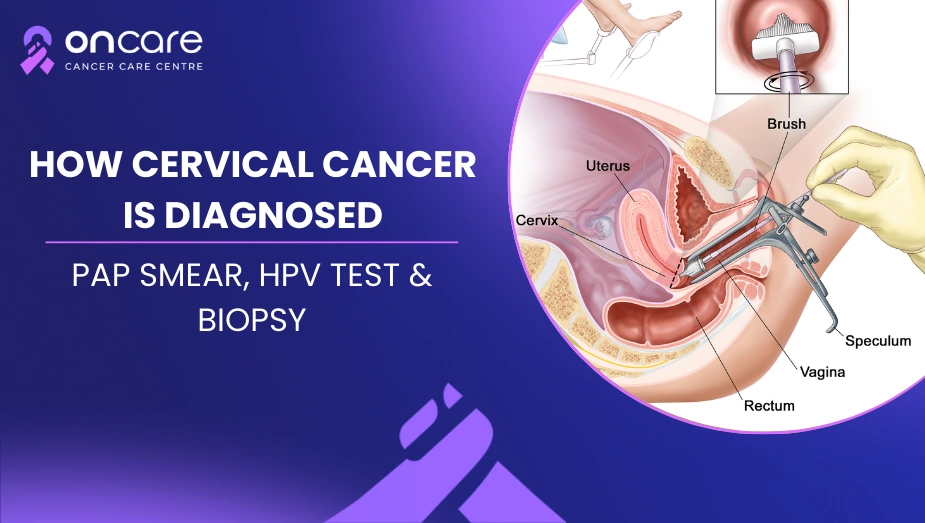
How Cervical Cancer Is Diagnosed: Pap Smear, HPV Test & Biopsy
Cervical cancer diagnosis—learn about Pap test, HPV test, screening methods, and early detection benefits. Get expert evaluation and care at Oncare today.