Table of Contents
Lung Cancer ICD-10: Accurate Coding for Diagnosis

By Raveena M Prakash


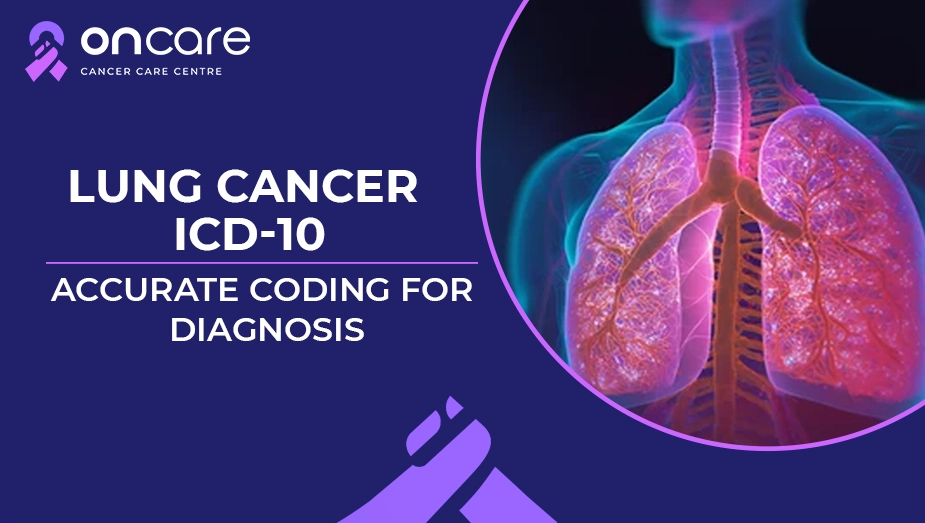
An accurate ICD-10 coding for lung cancer is crucial for proper cancer diagnosis documentation, treatment planning, and data reporting. The errors in coding can lead to claim denials, compliance issues, and also misrepresentation of the patient's conditions. Lung cancer coding requires major attention to anatomical details, its cancer type, and the distinction between primary and secondary cancers.
In this blog, we’ll discover more into a guide for lung cancer ICD-10 codes, common errors to avoid and examples, and best practices for accurate coding.
Understanding Lung cancer in clinical documentation
Lung cancer develops when abnormal cells start to grow uncontrollably in one or both lungs.
These are classified into:
- Non-Small Cell Lung Cancer: These are most common type of lung cancer.
- Small Cell Lung Cancer: These are aggressive and fast growing lung cancer.
From a coding point of view, ICD-10 primarily focuses on its anatomical location, tumor behavior, and laterality rather than the historical type. While histology is often important clinically, ICD-10 coding often requires the coders to translate this documentation into the codes mainly based on the lung location and tumor nature.
Key points to be considered: Always rely on their provider's documentation; in some cases, if laterality, lobe involvement, or primary vs. secondary status gets unclear, always consult your healthcare provider for further clarification.
ICD-10 Codes for Lung cancer
The lung cancer is often coded under the category of C34, malignant neoplasm of bronchus and lung. Each of this code generally specifies the exact location of the site and laterality, which is crucial for compliance and accurate reimbursement. Here are some of the ICD-10 codes by location, including:
ICD-10 Code | Description |
|---|---|
C34.00 | Malignant neoplasm of unspecified bronchus or lungs |
C34.01 | Right main bronchus |
C34.02 | Left main bronchus |
C34.10 | Upper lobe, unspecified bronchus or lung |
C34.11 | Upper lobe, right lung |
C34.12 | Upper lobe, left lung |
C34.20 | Middle lobe, unspecified |
C34.21 | Middle lobe, right lung |
C34.30 | Lower lobe, unspecified |
C34.31 | Lower lobe, right lung |
C34.32 | Lower lobe, left lung |
C34.80 | Overlapping sites of bronchus or lung |
C34.90 | Lungs, unspecified |
Major tips: Always avoid using unspecific codes like C34.00 or C34.90 unless the provider truly cannot determine the tumor location. The payer might deny claims for unclear coding if documentation is available.
Coding for Secondary Lung Cancer
The secondary or metastatic lung cancer develops when the cancer spreads from another primary site. ICD-10 provides the unique codes under the C-78, secondary malignant neoplasm of respiratory and digestive organs.
Including:
- C78.00: These codings are used to mention secondary malignant neoplasms of the unspecified lung.
- C78.01: These codings are used to mention secondary malignant neoplasms of right lung.
- C78.02: These codings are used to mention secondary malignant neoplasm of the left lung.
Here are some of the best practices, including:
- Always code the primary cancer at first (e.g., breast, colon, or kidney).
Then code the secondary lung involvement with C78 codes.
For example, a patient comes with breast cancer metastasized to the right lung.
- C50:911: These are malignant neoplasms of unspecified site of right female breasts. (Primary site).
- C78:01: These are secondary malignant neoplasm of the right lung.
Many experts suggest that proper sequencing ensures accurate claims processing and data reporting.
History of Lung Cancer vs. Active Cancer
It’s important to categorize between active lung cancer and a personal history of lung cancer while coding. Using the correct ICD-10 code makes sure accurate treatment records, proper billing and compliance with guidelines.
These may include:
- Z85.118 : Personal history of malignant neoplasm of bronchus and lung.
Key guidelines:
Only use history keywords when the cancer has been treated or completely eradicated from the patients.
When the patient is under an active treatment which is chemotherapy, surgery or radiation therapy, then do not use Z85 codes, always use the appropriate C34 or C78 code.
Here are some of the examples, including:
- If patient had lung cancer 5 years ago, and now is ‘cancer-free’, the it would be coded as: Z85:118
- Patients are currently receiving chemotherapy, active treatment, then C34.xx would be appropriate.
Common coding errors to avoid
Here are some of the common coding errors to avoid during Lung Cancer ICD-10, including:
- Using any unspecified codes unnecessarily
- Make sure to check the results of pathology, imaging, and operative notes before the coding
- When confused between the primary vs. secondary lung cancer
- Misclassification of codes generally affects the reimbursement and compliance
- A coding history of lung cancer during an active treatment
- A constant compliance error results to denials
- Missing laterality or lobe specificity
- ICD-10 often requires an anatomical precision for accurate reporting
- Failing to query and ask about any unclear documentation
Always make sure to communicate with the provider for precise coding for your diagnosis.
Best practices for Accurate Lung Cancer Coding
Here’s how accurate lung cancer coding has been practiced, including:
- Review documentation carefully: Check pathology reports, imaging and doctors notes.
- Confirm laterality and lobe involvement: Always check right vs.left, and upper vs. lower lobes.
- Classify between primary vs. secondary: Use codes C34 for primary lung and C78 Secondary.
- Always query providers when documentation gets unclear: These help to prevent denials.
- Stay updated with ICD-CM Guidelines: These codes are periodically revised, while compliance requires current knowledge to understand this.
Importance of Accurate ICD-10 Coding
An accurate ICD-10 coding for lung cancer is highly essential for smooth billing, compliance, and patient care. Using correct codes helps with proper reimbursement, following regulations, providing reliable data, and supporting better treatment planning.
Consult Today
Accurate ICD-10 coding for lung cancer simply means being careful, reviewing all medical documents properly, and understanding the right codes in C34 and C78. The coder needs to record the cancer type correctly, note which lung or lobe is affected, and determine whether it is primary, secondary, or past cancer. While following these steps, asking the doctor if something seems unclear, and keeping up with the latest guidelines, many healthcare professionals can avoid some mistakes, get their claims approved, and offer better care for the patients.
At Oncare, we offer premium-quality cancer treatments, including advanced cancer surgeries, at an affordable price range with an experienced cancer specialist consultation.
If you or any loved ones of yours are diagnosed with cancer, then visit Oncare Cancer Hospital and book an appointment with our experienced cancer specialist today! Get an estimated cost of your cancer treatments today!
Frequently Asked Questions
Lung cancer is often coded under c-34, with specific codes for lung lobes and side.
The lung cancer is often classified under ICD-10 code c-34, which generally includes malignant neoplasms of the bronchus and lungs. While the subcategories, such as c-34 to c-34.9, specify the exact location of the cancer, like the upper lobe, middle lobe, lower lobe, and overlapping regions.
One of the common mistakes include using unspecified codes, missing laterality, or confusion between primary and secondary lung cancer.
Book an Appointment
Related Blogs

How to Check for Lung Cancer: Step-by-Step Guide
Learn how to check for lung cancer, from recognizing early symptoms like a persistent cough to undergoing imaging and biopsy tests. Early detection can improve survival rates.
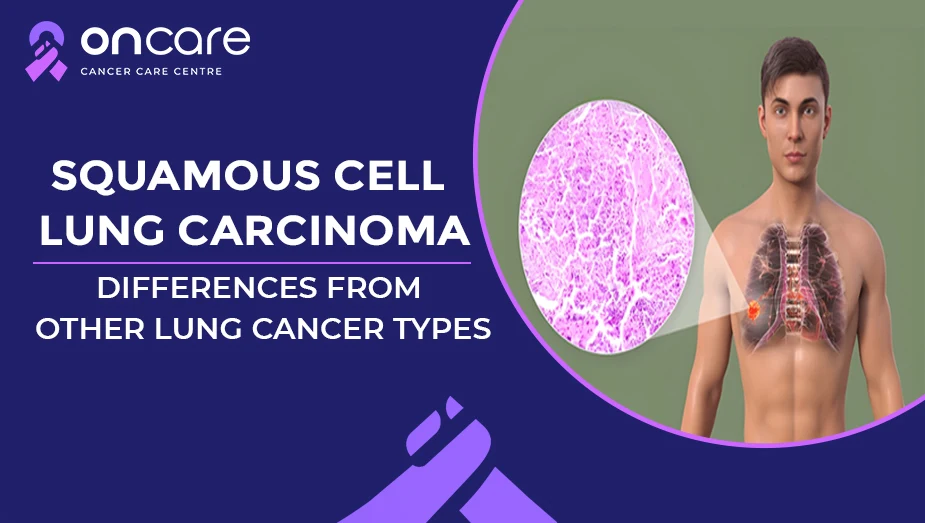
Squamous Cell Lung Carcinoma: Differences from Other Lung Cancer Types
Learn what makes squamous cell lung carcinoma different from other lung cancers. Understand symptoms, diagnosis, treatment options, and prognosis in simple terms.

Early Symptoms of Lung Cancer You Shouldn’t Overlook
Lung cancer symptoms—know early signs like persistent cough, breathlessness, chest pain, or fatigue. Don’t ignore them. Get expert care at Oncare today.
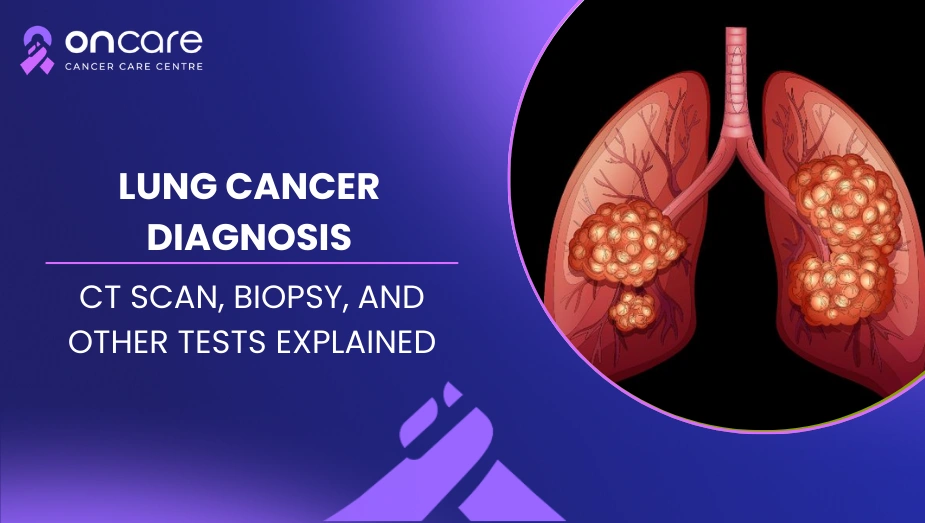
Lung Cancer Diagnosis: CT Scan, Biopsy, and Other Tests Explained
Lung cancer diagnosis—learn about tests and procedures like imaging, biopsy, and screening methods. Get accurate evaluation and expert care at Oncare today.