Table of Contents
Immunotherapy in Breast Cancer: A Guide to Treatment and Benefits

By Dr. Gajendra Kumar Himanshu


It can be hard to hear the words "breast cancer." When you get a diagnosis, you get a lot of questions regarding treatment options, side effects, and how likely it is that you will get better. Cancer treatment has come a long way over the years, and immunotherapy is one method that is garnering more attention these days.
Immunotherapy works in a different way from chemotherapy or radiation. It doesn't directly treat cancer; instead, it helps your immune system find and fight cancer cells. This notion seems simple, yet it has helped a lot of people.
What Is Immunotherapy?
Immunotherapy helps the body's natural defense system find and kill cancer cells.
The immune system usually keeps us safe from infections and cells that aren't normal. But cancer cells are smart. A lot of the time, they hide from the immune system. Immunotherapy helps get rid of the "hiding mechanism" so the body can fight back.
How Immunotherapy Treats Breast Cancer
Immunotherapy for breast cancer mostly works by targeting particular proteins that keep the immune system from attacking tumors.
These proteins work like a shield. When this shield is broken, immune cells can find cancer and start to kill it.
Checkpoint inhibitors are the most common type of medicine utilized. They assist the immune system in responding.
Who Can Get Better with Immunotherapy
Not every woman with breast cancer gets immunotherapy. In certain conditions, doctors frequently recommend it:
- Triple-negative breast cancer (TNBC)
- Breast cancer that has spread or gotten worse
- Situations where other treatments aren't working well
Doctors do tests to see if a patient is a good candidate for this treatment.
Different kinds of immunotherapy
Inhibitors of Checkpoints
These medications stop proteins like PD-1 or PD-L1 from working, which makes it easier for immune cells to fight cancer.
Combination Treatment
Immunotherapy is sometimes used with chemotherapy. In some patients, this combination can lead to better outcomes.
Advantages of Immunotherapy
Here are some key benefits of immunotherapy:
- It is more targeted in its attack on cancer.
- It could have effects that persist longer.
- It can be useful when other therapies don't work.
For some people, it gives them a new way to get care when there aren't many options.
Possible Side Effects
Immunotherapy is a cutting-edge treatment, yet it can still induce side effects, such as:
- Tiredness
- Irritated skin
- Fever
- Inflammation in the organs
If you tell your doctor about side effects early, they can usually be controlled. During treatment, doctors keep a tight eye on things.
Key Facts About Breast Cancer Immunotherapy
Aspect | Details |
|---|---|
How it works | Strengthens the immune system to fight cancer |
Use a lot | Cases that are triple-negative and have progressed |
How to treat | IV infusion in cycles |
Pros | An action that is focused and lasts a long time |
Effects on the side | Tiredness, skin responses, and minor swelling |
Using together | A lot of the time with chemotherapy |
What to Expect While Getting Treatment
Most of the time, immunotherapy is delivered by an IV in a hospital or clinic.
Treatment is done in cycles, and each session can last a few hours. Patients need to see their doctor regularly to see how well the treatment is working. The overall time depends on how the body reacts.
Is Immunotherapy Always the Best Option?
No, it isn't always the best choice. Doctors take into account a lot of things, such as the type of cancer, the stage, and the treatments that have already been given. It is often used with other treatments to get better outcomes.
Why Expert Care Is Important
Immunotherapy needs to be planned and watched carefully. It isn't right for every patient.
Oncare Cancer Hospital offers modern cancer care, where skilled specialists carefully look at each patient and help them choose the best treatment approach.
You can go to the National Cancer Institute for accurate and in-depth information.
Consult Today
Immunotherapy is transforming the way doctors treat breast cancer. It gives many patients a new and hopeful choice by helping the immune system fight cancer.
It may not work for everyone, but it has worked well in certain situations, especially with advanced breast cancer.
The best thing to do is to learn about your disease and talk to doctors who have been there before. Getting treatment early and using the proper mix of therapies can make things better.





Frequently Asked Questions
No, it is mostly utilized for certain forms of cancer, such as triple-negative breast cancer.
It's not the same. Sometimes, using both at the same time works better.
Most adverse effects may be handled with the right treatment.
It depends on how the patient responds and what the treatment strategy is.
Written and Verified by:

Dr. Gajendra Kumar Himanshu Exp: 10 Yr
Medical Officer
Book an Appointment
Related Blogs
How to Detect Breast Cancer Early: Tests You Should Know
Learn how to detect breast cancer early with self-exam, mammogram, ultrasound, and biopsy. Early screening saves lives. Visit Oncare Cancer Hospital.
Breast Cancer Radiation Therapy: Step-by-Step Treatment Overview
Learn how radiation therapy for breast cancer works, its steps, side effects, and recovery. Get expert care and guidance at Oncare Cancer Hospital.
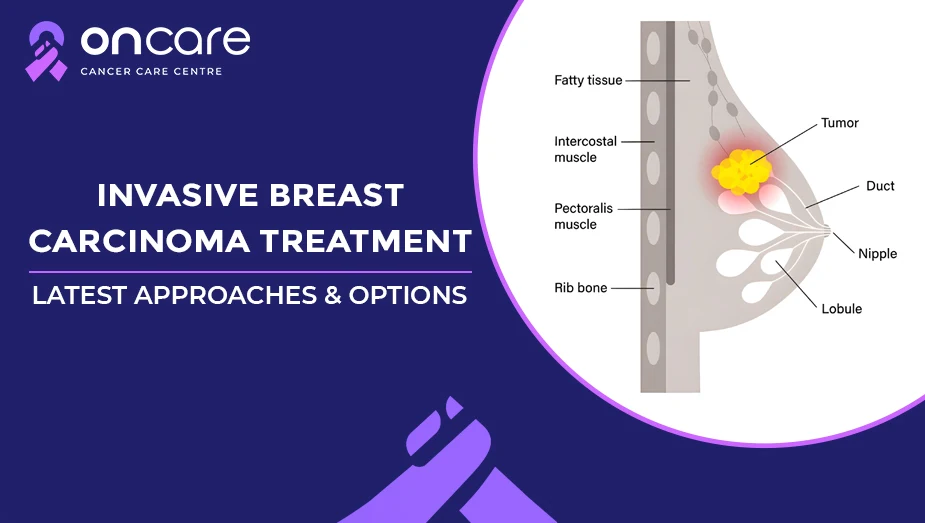
Invasive Breast Carcinoma Treatment: Latest Approaches and Options
Explore the latest treatment options for invasive breast carcinoma. Learn about advanced therapies, surgical approaches, and personalized care for better outcomes.

How to Check for Breast Cancer at Home: Step-by-Step Guide
Learn how to do a breast self-exam at home for early detection of cancer. A simple, monthly routine to spot changes and take action for better health.