Table of Contents
How to Read Your Pathology Report?

By Prashant Baghel


It can be scary to hear the word "cancer" or any other serious illness. After tests, most patients get a pathology report that has important information about their health. A lot of people get anxious when they see these reports because they look hard to understand and full of medical jargon. Being able to learn how to read pathology report can help you know what's going on in your body, clear up any confusion, and give you the confidence to talk to your doctor about your care. This article will break everything down into simple steps.
What is a report on pathology?
A pathologist writes a pathology report after looking at tissue, blood, or fluid samples in great detail. This report helps doctors determine whether you have cancer or another disease, what kind it is, and how severe it might be. Patients can take an active role in their treatment and ask smart questions if they know how to read pathology report.
Why It Matters
Your treatment plan is based on the pathology report. It can tell you if you need surgery, chemotherapy, radiation, or other treatments. This report will help you talk to your doctor better and make you less afraid of the unknown.
Who Writes the Report
A pathologist, who is a doctor who looks at samples under a microscope to find diseases, writes the report. They look closely at the cells and write down what they see, such as what kind of cells they are, how they look, and whether they are normal or not.
The main parts of a pathology report
Pathology reports may look long, but they usually have the same parts. To be able to read pathology report, you need to know what each part means.
Information about the patient
Your name, age, sex, and sample details are all in this part. It makes sure that the report is correct and that it is for the right patient.
Details about the specimen
The report talks about the type of tissue or sample that was looked at, like blood, biopsy, or surgery tissue. This part also talks about where the sample came from, like the skin, liver, or breast.
Medical Information
Your doctor may write down why the test was done here. It could include your medical history, symptoms, or imaging results. This helps the pathologist figure out what to look for in the sample.
Diagnosis or Results
This is the most important part. It tells you if the tissue is normal or not. For people with cancer, it shows if they have cancer, what kind it is, and how bad it might be. To learn how to read pathology report, you need to know what words like "benign" (not cancer), "malignant" (cancer), or "precancerous" (cells that could become cancer) mean.
Grading and Staging
Some reports say what stage and grade the cancer is at. The grade tells you how strange the cells look when you look at them under a microscope. A low grade means the cells look more like normal cells, while a high grade means they look more like abnormal cells. Staging tells your doctor how far the cancer has spread, which helps them plan treatment.
More notes
Pathologists may do extra tests, like genetic tests or hormone receptor status tests, to learn more about treatment options.
How to Read a Pathology Report Correctly
There are ways to make sense of your report even if the words are hard to understand.
Begin with the Diagnosis
The diagnosis tells you what the main problem is. Look for the words "benign," "malignant," or "precancerous." These words are the first step in figuring out what's wrong with you.
Check out the Grade and Stage
You can tell how bad the disease is by knowing the grade and stage. Your doctor can tell you what the numbers or stages mean for your care.
Look over more results
Genetic markers or special stains may seem confusing, but they can help you figure out what treatment to get. Your doctor can tell you what these results mean for you.
Ask Questions
Write down your questions and ask your doctor if you don't understand something. It's not about memorizing medical terms; it's about understanding enough to make smart choices when you read pathology report.
Words that are often used in a pathology report
The language used in medicine can be hard to understand. Here are some words that are often used when you learn how to read pathology report:
Not harmful
This means that the cells are not cancerous. They might need treatment if they cause symptoms but aren't life-threatening.
Bad
This means you have cancer. Malignant cells can grow without stopping and may move to other parts of the body.
Intrusive
Invasive cancer is cancer that has spread to other parts of the body from where it started. This is important for making a decision about treatment.
Margins
Margins tell us if the tissue that was taken out during surgery has cancer at the edges. If the margins are clear, that means there is no cancer at the edges, which is a good sign.
Lymph Nodes
Pathologists often look at lymph nodes close by to see if cancer has spread. If nodes are positive, it could mean that treatment needs to be more aggressive.
How to Read Your Pathology Report
Make a Copy
Always keep a copy of your pathology report for your own records. This lets you see how things have changed over time and share it with other doctors if you need to.
Use Reliable Sources
Don't just look things up on the internet, as that can be too much or not true. If you don't understand something, ask your doctor or a trained counselor to explain it to you.
During Appointments, Take Notes
Take notes on what your doctor says. This makes it easier to remember and understand what your report says.
Get a Second Opinion
If you're not sure, getting a second opinion from another pathologist or oncologist can help you feel better and make things clearer.
How Pathology Reports Help Decide on Treatment
It's important to know how to read pathology report because it has a direct impact on your treatment plan. The report tells doctors whether to do surgery, chemotherapy, radiation, or targeted therapy. It also helps doctors guess how well a patient will do and keep an eye on their progress after treatment.
Making Treatment Unique
Pathology reports may have markers that show which drugs or treatments will work best for your type of cancer. This helps doctors figure out the best plan for you.
Keeping an eye on progress
After treatment, repeat pathology reports can show if the disease has come back or how well the treatment is working. If you understand your reports, you can take an active role in your care.
Helping with mental health
Being aware of the specifics of your pathology report can help ease your mind. Patients frequently experience a sense of empowerment and increased control when they comprehend their results.
Consult Today
Patients feel more in control and confident when they learn how to read pathology report. Knowing the important parts, common words, and what the results mean for your treatment can help you feel less stressed and make it easier to talk to your doctor. Reports can be hard to understand, but professional help makes sure that patients understand them correctly.
Oncare Cancer Hospital gives patients the best chance of recovery by providing personalized support, advanced technology, and experienced doctors who can explain their reports and treatment options.
Frequently Asked Questions
Look at the grade and stage in the diagnosis section, go over any other findings, and ask your doctor questions. To learn how to read pathology report, you need to know enough to make smart choices.
Benign means not having cancer, malignant means having cancer, and precancerous means cells that could become cancer if not treated.
Yes, getting a second opinion can help you feel better, make things clearer, and confirm your diagnosis and treatment options.
Oncare Cancer Hospital provides expert medical care, counseling, and advice to help patients understand their pathology reports and pick the best treatment plan.
Book an Appointment
Related Blogs
Where to Get a Biopsy Test in Delhi? Cost and Best Hospital Guide
Looking for a biopsy test in Delhi? Learn costs and the best hospitals, and get accurate results and why Oncare is a choice for patients who want to get a biopsy.
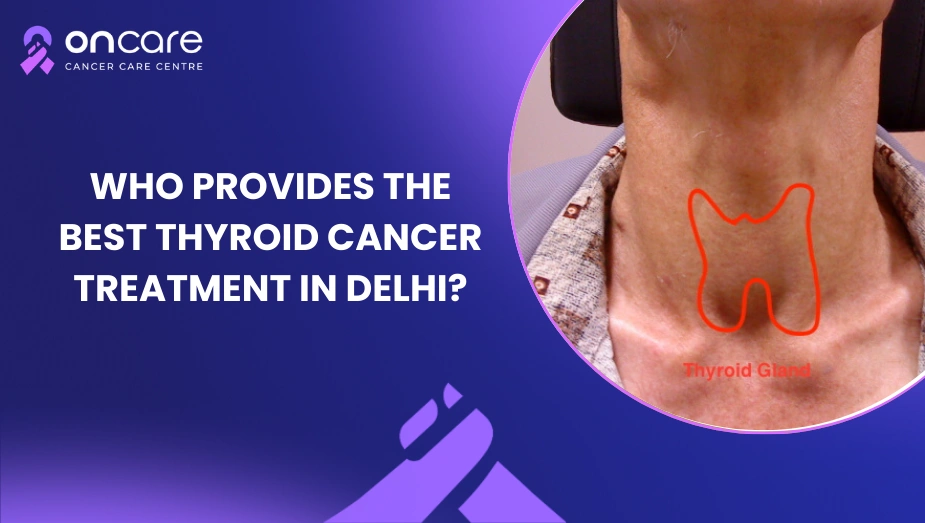
Who Provides the Best Thyroid Cancer Treatment in Delhi?
Looking for the best thyroid cancer treatment in Delhi? Learn about top treatment options, expert care, and how to choose the right specialist. Consult Oncare.

Top Radiation Oncologists in Delhi: A Patient’s Guide
Discover the best radiation oncologists in Delhi offering advanced cancer treatment, personalized care, and modern therapy techniques and how to choose the right doctor.

Best Cancer Specialist in West Delhi: Doctor Profile and Expertise
Find the best cancer specialist in West Delhi. Explore cancer doctor expertise, treatment approach, and personalized oncology care for better treatment outcomes.