Table of Contents
How to Check for Oral Cancer at Home?

By Prashant Baghel


It can be scary to hear the words "oral cancer." Oral cancer can affect the mouth, tongue, lips, and throat. Finding it early can save lives. A lot of people don't know that they can look for signs of oral cancer at home before going to the doctor. It's very important to learn how to check for oral cancer at home because the first signs are often hard to see. You can see changes in your mouth early and get medical help right away by checking it often.
This article will show you how to check for oral cancer at home in a way that is simple and easy to understand. It will also tell you what warning signs to look for and what to do if you see something strange.
Learning about Oral Cancer
Oral cancer is a kind of cancer that starts in the throat or mouth. It can grow on the roof and floor of the mouth, the tongue, the gums, the inner cheeks, or the lips. Oral cancer happens when cells in these areas start to grow out of control. Oral cancer risk can go up if you smoke, chew tobacco, drink alcohol, don't take care of your teeth, or get certain viral infections like HPV. But it can happen to anyone, so it's important to be aware and check often. Knowing how to check for oral cancer at home is the first step to early detection.
Signs and Symptoms of Cancer in the Mouth
Finding it early is important. Some signs that you might have oral cancer are sores that don't heal, white or red patches in your mouth, pain or tenderness that doesn't go away, trouble chewing or swallowing, numbness, or a lump in your mouth, jaw, or neck. Changes in how your teeth or dentures fit and bad breath that won't go away are also signs. If you know these symptoms, you can spot problems early on when treatment works best.
How to Check for Oral Cancer at Home
It's easy to check for oral cancer in your mouth, and it only takes a few minutes. You can spot changes early by doing this once a month or so. This is how to check safely and well.
Getting Ready for the Self-Check
To begin, wash your hands and use a bright light, like a flashlight or the light in the bathroom mirror. You should be able to see all parts of your mouth clearly if you sit in front of a mirror. A dry mouth can make it harder to see changes, so make sure your mouth is moist. Before you start, take out any dentures or dental tools.
Looking at the Front of Your Mouth and Your Lips
Take a good look at your lips. Look for any sores, lumps, cracks, or strange colors. Gently press on the lips to see if they are firm or swollen. Look at the front of your mouth, including the inner cheeks and gums, with your mouth wide open. Check for red, white, or darkened patches and anything else that looks different from your normal tissue. This is a key step in learning how to check for oral cancer at home.
Looking at the Tongue
Put your tongue out and look at the top, sides, and bottom. Use clean fingers to feel the surface for lumps or places that are thicker. Gently lift the tongue to see what's underneath. Red or white spots, pain, numbness, or lumps in the mouth can be early signs of oral cancer. While you check carefully, move your tongue from side to side.
Checking the Roof, the Floor, and the Back of the Mouth
Check the roof and floor of your mouth with a flashlight. Check for sores, thickened tissue, or changes in color. To see the back of your throat as well as you can, open your mouth and tilt your head back. Take any sore that doesn't go away, trouble swallowing, or strange lump seriously.
Feeling the Neck and Jaw
Feel the area around your jaw and neck with your fingers to see if there are any lumps or swelling. Firm lumps or swollen lymph nodes could be signs that oral cancer has started to spread. Look at both sides of your jaw and neck to see if they are uneven.
How to Make Home Checks Work
It's important to be consistent. Once a month, look in your mouth at the same time to see if anything has changed. Use a small notebook or phone diary to write down anything strange, like the date, size, color, or texture. If you see changes that last longer than two weeks, don't wait—see a doctor right away. Keep in mind that not all changes mean cancer, but it's important to get checked out early.
Things That Make You More Likely to Get Oral Cancer
The biggest risk factors are smoking and using tobacco. Drinking alcohol and smoking tobacco together makes the risk even higher. Poor oral hygiene and ongoing irritation from broken teeth or dentures can make things worse. Oral cancer has also been linked to viral infections like HPV. Knowing about these risk factors can help you take steps to avoid them, like quitting smoking and taking better care of your teeth.
Taking Care of Your Teeth to Lower Your Risk
Oral Hygiene Habits
To keep your mouth clean, brush your teeth twice a day, floss regularly, and use mouthwash. Not taking care of your teeth can make you more likely to get infections and irritations, which can lead to oral cancer.
Not Smoking and Drinking Less Alcohol
The most common causes of oral cancer are smoking and drinking. To lower your risk, don't smoke, chew tobacco, or drink too much alcohol.
Eating Well
Eating a lot of fruits, vegetables, and whole grains gives you important vitamins and antioxidants that are good for your teeth and your health in general.
Going to the Dentist Regularly
Going to the dentist regularly lets them check your teeth and gums and find any unusual changes in tissue early on. Dentists can find areas that look suspicious that you might not see when you check your own teeth.
Consult Today
Knowing how to check for oral cancer at home is a great way to improve your health. Finding out about a problem early on makes it more likely that treatment will work and the person will get better. The best way to avoid oral cancer is to check your own mouth regularly and get professional dental and medical checkups. If you see or feel anything strange or that doesn't go away, get professional help right away.
Oncare Cancer Hospital offers oral cancer patients expert evaluation, cutting-edge treatment options, and personalized support to make sure they get the best care and have the best chance of recovery.
Frequently Asked Questions
Yes, checking yourself regularly can help you spot early signs, but you need a professional to confirm them.
Once a month is the best time to check for changes.
No, not every sore means you have cancer. But a doctor should look at any sore that lasts longer than two weeks.
Oncare Cancer Hospital offers expert care, cutting-edge treatment, and individualized support for people with oral cancer.
Book an Appointment
Related Blogs
Is Oral Sex Linked to Throat Cancer? Facts vs Myths
Can oral sex cause throat cancer? Learn the real facts about HPV, early throat cancer symptoms, myths vs truth, prevention tips, and when to see a doctor.
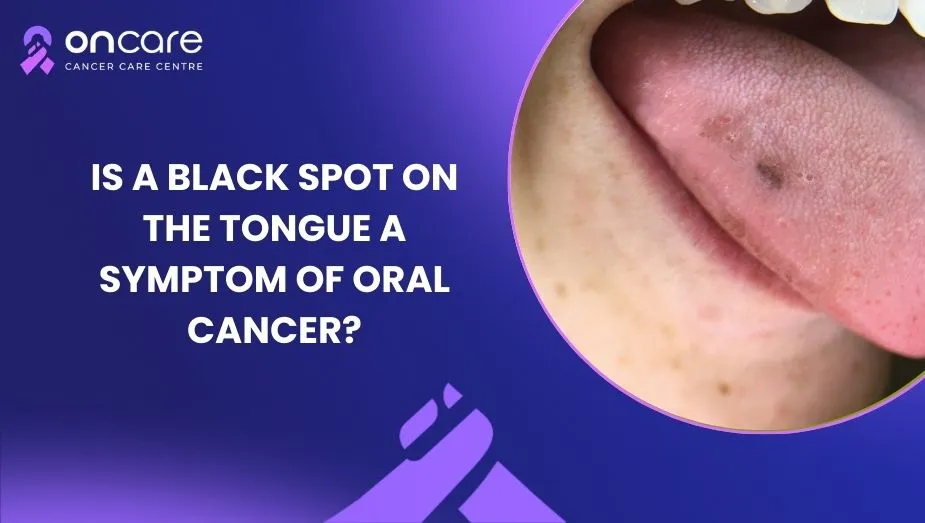
Is a Black Spot on the Tongue a Symptom of Oral Cancer?
A black spot on the tongue can be harmless or serious. Learn the causes, risk factors, symptoms, diagnosis, and when a black spot may need medical attention.
Oral Cancer Causes: Top Risk Factors You Should Know
Discover more about oral cancer causes, risk factors for oral cancer, starting from tobacco use to HPV infection, and how to reduce your risk of this cancer!
How to Prevent Oral Cancer: Expert Advice for Daily Protection
Discover more about oral cancer and how to prevent oral cancer, expert tips for daily protection against oral cancer risks, and when to seek medical support!