Table of Contents
How to Check for Colon Cancer: Screening Methods You Should Know

By Prashant Baghel


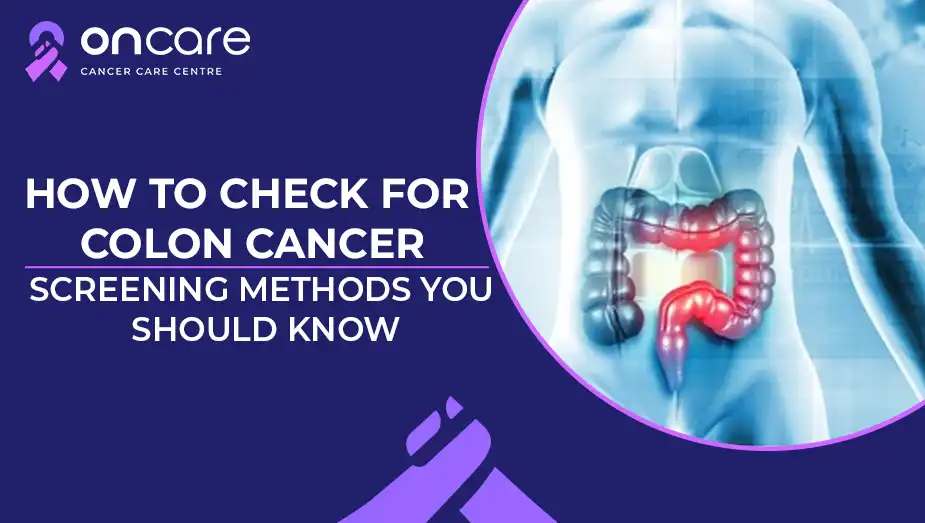
People don't usually think about colon cancer until a doctor suggests a test or someone in their family is diagnosed. The truth is, though, that colon cancer often grows without making any noise. It might not show strong symptoms at first, which is why it's so important to get screened regularly. You have a better chance of finding colon cancer early, treating it easily, and avoiding serious health problems later if you learn how to check for colon cancer.
This article goes over all the main screening methods in a way that's easy to understand and friendly. It tells you what each test means and when you need it. Testing early can save lives, and knowing your options helps you make sure you and your loved ones are safe.
Why It's Important to Check for Colon Cancer
Polyps are small growths that form inside the colon and are the first sign of colon cancer. Over time, these polyps can slowly become cancerous. Doctors can find these growths early and take them out before they become dangerous if you get your colon checked regularly.
People over 45, those with digestive problems, or anyone with a family history of colon cancer should learn how to check for colon cancer. Early screening means early safety.
When to Start Looking for Colon Cancer
Most experts say that screening should start at age 45. But some people might need to start sooner if they have certain risks, like:
- A history of colon cancer in the family
- Problems with digestion for a long time
- Old polyps
- Some genetic disorders
Depending on your health, your doctor may recommend testing sooner. Being able to learn how to check for colon cancer keeps you on your toes and lets you act when you need to.
Common Symptoms That You Shouldn't Ignore
Even though a lot of people don't feel sick at first, some signs should be checked out by a doctor. Some of these are changes in how often you go to the toilet, blood in your stool, stomach pain, weakness, or sudden weight loss. These signs don't always mean cancer, but they do mean you should get your colon checked right away.
Knowing these signs can help you choose when to get tested and understand how to check for colon cancer safely.
Colonoscopy: The Best Way to Do It
The best way to find out if you have colon cancer is to have a colonoscopy. Doctors use a thin, bendable tube with a camera to look inside your colon for this test. It helps them spot polyps, swelling, or any other strange changes. If they find a polyp, they can take it out right away during the test.
The procedure is safe, and most people get better quickly. It is one of the best ways to learn how to check for colon cancer because it shows the whole colon clearly.
Sigmoidoscopy: Looking at the Lower Part of the Colon
This test is like a colonoscopy, but it only looks at the lower part of the colon. It takes less time and uses a smaller scope. Doctors use it to look for polyps or cancer in the lower colon and rectum.
It doesn't show the whole colon, but it's still a useful method, especially for finding problems early.
Stool Tests: Simple Tests You Can Do at Home
Doctors give some people simple stool tests that they may complete at home because they are nervous about hospital examinations. These tests check for blood or DNA in the faeces that shouldn't be present. They are simple to do, yet they can help discover colon cancer early.
Your doctor will tell you to have a colonoscopy if your stool test shows anything unusual. These home tests are an easy approach to learn how to check for colon cancer if you want to start right away.
CT colonography is a way to see the colon in a digital way.
CT colonography, or virtual colonoscopy, uses a CT scan to take detailed photographs of the colon. You don't need a camera to view inside, but it still shows polyps and other weird spots.
This procedure is helpful for patients who can't get a standard colonoscopy. It's quick, simple, and delivers clear answers. But if something is found, you still need to get a colonoscopy every so often to get rid of polyps.
Blood Tests That Help Doctors Figure Out What's Wrong
Blood testing can help doctors understand more about your health. They can't say for sure that you have colon cancer, but they can see symptoms of inflammation, anaemia, or proteins that aren't normal, which could signal that something else is wrong.
Doctors use these tests to back up other screening methods and figure out what to do next.
After a Screening Test, What Happens
Your doctor will tell you when to come back for your next check if your test results are normal. Most people do this every few years. The doctor may do more tests or make a treatment plan if the test shows polyps or something else that isn't normal.
Always, the main goal is to find problems early and stop them from happening. You know how to stick to your health plan when you learn how to check for colon cancer.
Getting ready for a colonoscopy or scan
Before the test, doctors usually give you a simple plan to clean your stomach. This makes it easier for them to see the colon. You might have to drink certain liquids or stay away from certain foods for a day. Even though getting ready might be uncomfortable, it only lasts a short time and makes the test more accurate. A clean colon means better results and a safer screening process.
How often should you look at your colon?
How often you need to do it depends on how old you are, how healthy you are, and what your last test showed. You might only need to get tested every 5 to 10 years if you don't have any polyps or other risks. Your doctor may suggest more tests if you have risks or have had polyps in the past.
When you ask how to check for colon cancer safely and properly, the best and easiest answer is to get screened regularly.
Untrue Ideas About Colon Cancer Screening
A lot of people don't get screened because they think it will hurt or be embarrassing. These tests are actually safe, common, and done every day. The process is private and comfortable thanks to the doctors and nurses.
Another myth is that only older people need to be screened. Younger people can also be at risk, especially if they have a family history or digestive problems. Clearing up these myths makes it easier for more people to get tested on time.
Things you can do to keep your colon healthy
Screening is the most important thing you can do to keep your colon healthy, but what you do every day also matters. To keep your colon healthy, you should eat foods high in fibre, drink enough water, exercise regularly, and not smoke. These habits don't take the place of screening, but they do help your overall health.
When to Go to the Doctor Right Away
You shouldn't wait if you see blood in your stool, have a lot of stomach pain, are tired, or lose weight quickly. You should see a doctor about these signs, even if you are young or otherwise healthy. Taking action early can stop big problems from happening and make treatment work better.
Consult Today
One of the best things you can do for your long-term health is learn how to check for colon cancer. Regular screenings catch problems early, get rid of dangerous growths, and stop cancer from forming. A lot of people don't find out about problems until they show up, but you can stay ahead of them and keep yourself safe with early tests.
Oncare Cancer Hospital has state-of-the-art facilities, skilled doctors, and safe, reliable testing methods for people who need expert screening or treatment. Screening early can change your life. Do something today to protect your health in the future.
Frequently Asked Questions
People should start screening at age 45, or even earlier if they are at risk.
No. Most patients get medicine to help them relax, and the test is safe and easy to do.
Yes. Some stool tests can find early signs, but you may need to have more tests later.
Many people need to be screened every 5 to 10 years, but it depends on their health and past results.
Book an Appointment
Related Blogs
Stage 4 Colon Cancer Symptoms: Signs You Must Recognize
Learn the real signs of stage 4 colon cancer symptoms in simple words. Understand physical changes, advanced stage problems, and how to support your loved one with the right care.
How to Recognize Stage 1 Colon Cancer Symptoms Early
Learn the early stage 1 colon cancer symptoms in simple words. Understand small but important changes in your body so you can act early and protect your health.
What Is Colon Cancer? Know the Signs Before It’s Too Late
Learn what is colon cancer, its early symptoms, risk factors, and why screening is essential. Find out how early detection and treatment can save lives.
Is Colon Cancer Curable? Factors That Affect Recovery
Wondering if colon cancer can be cured? Learn how early detection, treatment options, and cancer stage affect recovery. Find expert care and support at Oncare Hospital.