Table of Contents
Hidden Costs of Cancer Treatment Most Patients Don't Plan For

By Dr. Gajendra Kumar Himanshu


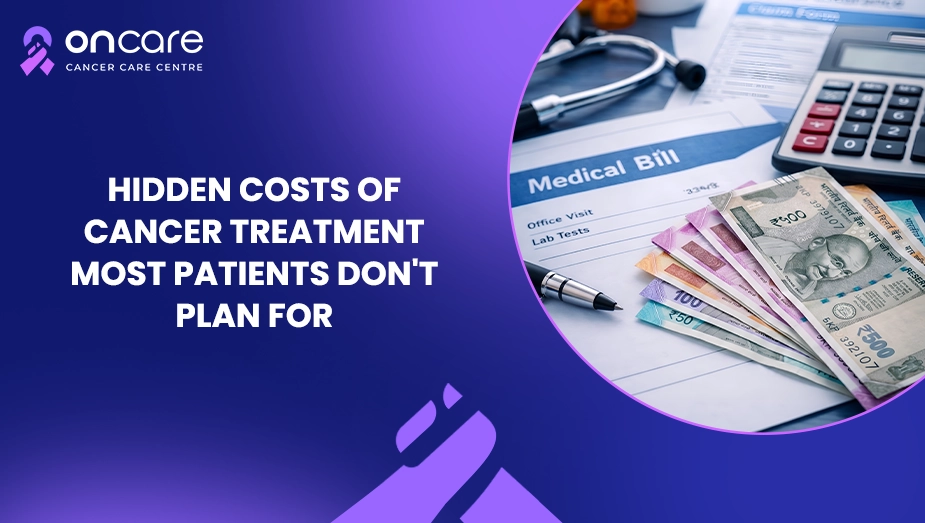
The cost of cancer treatment often extends far beyond surgery, chemotherapy, radiation therapy and hospital bills. Many patients and families prepare financially for direct medical expenses but may not anticipate the hidden costs that continue throughout the treatment journey. These additional expenses may include travel, accommodation, nutritional support, follow-up testing, caregiver assistance, loss of income and long-term medication costs.
Understanding these hidden financial challenges early may help patients and caregivers plan more effectively and avoid unexpected stress once treatment begins. Families who prepare financially and understand insurance coverage and support options may manage long-term treatment expenses more comfortably.
In this article, we will discuss the hidden costs of cancer treatment, common financial challenges faced by families and practical planning tips that may help reduce financial stress during long-term cancer care.
Why Cancer Treatment Often Costs More Than Expected
Many families initially focus only on major treatment expenses such as surgery or chemotherapy sessions. However, cancer treatment often involves repeated hospital visits, ongoing medicines, diagnostic tests and supportive care that may continue for months or even years.
Treatment may also affect work schedules, transportation needs, daily routines and emotional well-being, causing additional hidden expenses over time. Patients travelling from smaller towns to larger cities for specialized treatment may face even greater financial pressure because of accommodation and travel costs.
Hidden Costs Families Often Overlook During Cancer Treatment
Hidden Cost | How It Increases Financial Pressure |
|---|---|
Travel and transportation | Frequent hospital visits and emergencies |
Accommodation near hospitals | Extended treatment duration |
Nutritional supplements | Special dietary requirements during treatment |
Loss of income | Reduced ability to work regularly |
Follow-up scans and tests | Long-term post-treatment monitoring expenses |
Travel, Accommodation and Daily Living Costs During Treatment
Many cancer patients travel to metropolitan cities for specialized treatment because advanced oncology care may not always be available locally. Transportation costs, fuel expenses, accommodation charges and caregiver food expenses may become financially exhausting over time.
Families should try to estimate these non-medical costs before treatment begins. According to the Ayushman Bharat - Pradhan Mantri Jan Arogya Yojana, long-term healthcare planning should include both medical and supportive care expenses.
Ways Families May Reduce Non-Medical Cancer Expenses
Small financial adjustments may help reduce long-term pressure during treatment:
- Choose accommodation near treatment centres when possible
- Use hospital support services if available
- Organize travel and treatment schedules carefully
- Explore government healthcare assistance programs
- Track all treatment-related expenses regularly
How Income Loss Affects Families During Cancer Treatment
Cancer treatment may affect the patient's ability to continue regular work, especially during chemotherapy, surgery recovery or prolonged treatment schedules. Caregivers may also need to reduce working hours or temporarily leave work to provide emotional and practical support.
Loss of income combined with increasing medical expenses may create major financial stress for families during treatment.
Why Emergency Savings and Financial Planning Are Important
Financial planning may help families manage the uncertainty of long-term cancer treatment more effectively. Emergency savings and awareness about insurance benefits may reduce panic during unexpected medical situations. Early planning may improve financial stability throughout treatment and recovery.
Helpful financial planning steps may include:
- Reviewing health insurance coverage carefully
- Maintaining digital and physical expense records
- Understanding reimbursement procedures
- Exploring financial aid or crowdfunding options
- Seeking professional financial advice if necessary
The Emotional and Mental Impact of Long-Term Financial Stress
Cancer treatment may create both financial and emotional pressure for patients and caregivers. Worry about hospital bills, treatment outcomes and future responsibilities may contribute to anxiety and emotional exhaustion.
Some families may also spend additional money on counselling, emotional support services or lifestyle adjustments during recovery. Emotional stress is often an overlooked part of the overall cancer care journey.
Supporting Caregivers Facing Financial and Emotional Pressure
Caregivers often manage hospital visits, medicines, transportation, meals and emotional support simultaneously. Over time, these responsibilities may lead to physical exhaustion, emotional fatigue and financial strain.
Sharing caregiving duties among family members and offering emotional support may help reduce long-term stress for caregivers during treatment.
Planning for Long-Term Recovery and Follow-Up Costs
Many patients assume financial stress ends after active treatment finishes. However, follow-up consultations, medicines, scans, rehabilitation and supportive therapies may continue for years after treatment.
Long-term healthcare planning remains important even after successful cancer treatment because ongoing medical care may still be required.
Preparing Financially Before Cancer Treatment Begins
Understanding hidden treatment costs in advance may help families make more informed financial decisions during the cancer journey. Open discussions with doctors, hospital billing teams and insurance providers may help patients prepare more realistically.
Awareness and financial preparation may reduce uncertainty and improve emotional confidence during treatment.
Consult Now
The financial impact of cancer treatment often extends beyond hospital bills and medical procedures. Travel expenses, accommodation, nutritional support, loss of income, emotional care and long-term follow-up treatment may create additional financial pressure for patients and families.
Understanding these hidden costs early and planning carefully may help reduce financial stress and allow patients to focus more on healing and emotional well-being during treatment.
For patients seeking compassionate cancer care and advanced treatment support, Oncare Cancer Hospital is known for providing patient-centered cancer treatment and supportive healthcare services.





Frequently Asked Questions
Hidden costs may include travel, accommodation, nutritional support, income loss and follow-up care expenses.
Long-term treatment, repeated hospital visits, medicines and supportive care may gradually increase overall expenses.
Health insurance may not always cover non-medical expenses such as travel, accommodation or income loss.
Financial planning may help families manage treatment expenses better and reduce emotional stress during long-term care.
Written and Verified by:
Dr. Gajendra Kumar Himanshu Exp: 10 Yr
Medical Officer
Book an Appointment
Related Blogs

Lymphoma Treatment Cost in India: A Complete 2026 Guide
Explore lymphoma treatment cost in India 2026, including chemotherapy and transplant expenses. Get expert, affordable care guidance from Oncare Cancer Hospital.
Blood Cancer Treatment in India: BMT and Costs
Learn about blood cancer treatment in India, Bone Marrow Transplant (BMT), recovery, and treatment costs with expert care from Oncare Cancer Hospital.
Hidden Costs of Cancer Treatment Most Patients Don't Plan For
Learn hidden cancer treatment costs patients miss. Oncare Hospital explains expenses like travel, income loss, and planning tips for better financial support.