Table of Contents
Gum Cancer Symptoms: Complete List of Early Clues

By Prashant Baghel


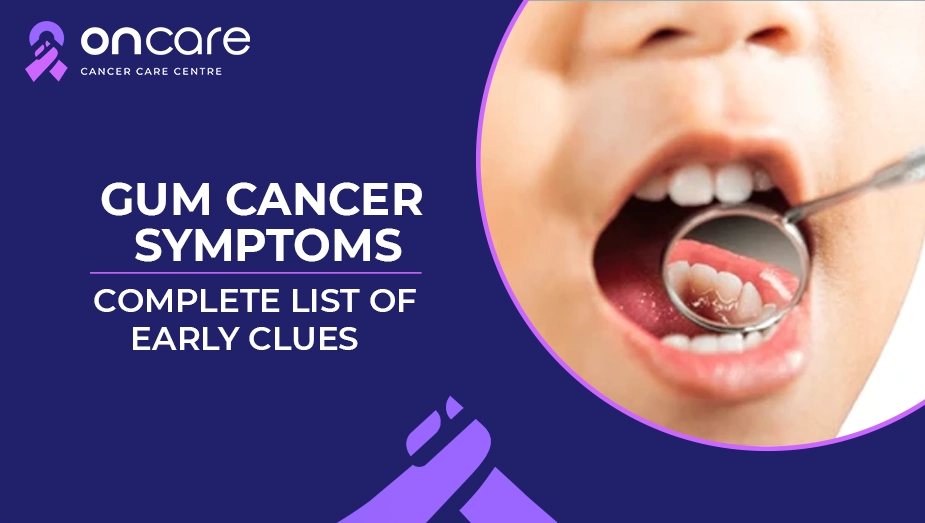
Anyone can get worried and anxious when they hear the word "cancer." A lot of people don't know how important it is to notice early gum cancer symptoms. It's easy to ignore small changes in your mouth or gums, but finding problems early can save lives. If you know the gum cancer symptoms, you can act quickly and get the help you need. This article will talk about these early signs, how they show up, and what to do if you see them.
Why it's important to find things early
Finding gum cancer early is very important for treating it successfully. If you don't treat gum cancer, it can grow and spread like other types of cancer. When diseases are found early, treatments are usually more effective, less invasive, and have better outcomes. People can get medical help faster if they know the gum cancer symptoms. This makes it more likely that they will get better and lowers the risk of complications.
Important Gum Cancer Symptoms to Know
Mouth sores that don't go away
Having sores in the mouth or gums that don't heal is one of the first gum cancer symptoms. They can show up as red or white spots and may hurt or not hurt. People often think they have canker sores or irritation from brushing, but if the sore lasts for more than two weeks, it could be a sign of something more serious.
Lumps or swelling in the gums
A common gum cancer symptom is a lump or swelling on the gums. It might feel hard or strange when compared to the tissue around it. These lumps can show up on the gums or near the teeth. You should see a doctor or dentist as soon as possible if you have a lump that won't go away.
Pain or discomfort in the mouth
Another early warning sign is pain or discomfort in the mouth that doesn't go away. People with gum cancer often have constant pain or a dull ache in their gums that can spread to their teeth or jaw. This pain doesn't get better with regular oral care like normal irritation does. Recognizing persistent pain is an important gum cancer symptom.
Gums that bleed
Brushing or flossing can cause minor bleeding, but if your gums bleed easily for no reason, it could be a sign of gum cancer symptoms. This could mean bleeding that happens on its own or blood in saliva. If you notice bleeding that happens all the time or for no reason, you should see a doctor.
Colour changes in gums
Pink gums are a sign of good health. If your gums change colour, like getting dark red, white, or grey patches, it could be a gum cancer symptom. Sometimes the change is small, so checking your gums regularly can help you catch these early signs.
Loose teeth or alterations in dental fit
Gum cancer can damage the tissue that holds teeth in place. This could make your teeth feel loose or move around. Because of these changes, dentures or other dental appliances may not fit right anymore. Patients often say that chewing hurts or that their gums feel different when they touch them. These are important gum cancer symptoms to notice.
Tingling or numbness
Some gum cancer symptoms are numbness, tingling, or a feeling of pins and needles in the mouth, jaw, or lips. If the cancer spreads to the nerves in the gums, this could happen. If you have any strange feelings that don't go away, you should see a doctor right away.
Biting or swallowing is hard.
It may ache or be hard to chew or swallow if you have gum cancer. The discomfort could start in the gums and spread to the throat or jaw. If you stay away from particular foods because they make you feel bad, it could be an early sign of gum cancer.
Bad breath that won't go away
Bad breath that doesn't go away even after brushing, flossing, or using mouthwash might also be a sign of gum cancer. Cancer typically causes infections or abnormalities in the tissues in the mouth. It's important to pay attention to bad breath that lasts for a long time because it could be a sign of early gum cancer.
Weight reduction that can't be explained
If you lose weight for no reason, it could be because you have gum cancer or another type of oral cavity cancer. Changes in taste, pain, or problems eating can make you less hungry, which can lead to slow weight reduction. When keeping an eye on gum cancer symptoms, it's crucial to be aware of these changes.
The gum tissue is getting thicker.
Some regions of the gums may feel thicker or harder than usual if you have gum cancer. This thickening might appear in different regions of the mouth or near the teeth. Another important sign of gum cancer is checking for these changes on a regular basis. This can help you detect problems before they get worse.
Mouth sores that bleed or don't heal
A sore that bleeds readily or doesn't heal is a very scary symptom that you might have gum cancer. These sores may start small, but they can get bigger as time goes on. People sometimes ignore them because they think they are minor injuries, but sores that don't go away are a sign of gum cancer and should be looked at by a doctor.
How to find out if you have gum cancer
You should consult a dentist or doctor right away if you have any of these signs of gum cancer. Usually, the initial step is a comprehensive oral exam. Doctors may employ imaging tests like X-rays or CT scans to look for strange growths.
A biopsy, which means extracting a small sample of tissue for examination, is the only method to be sure that someone has gum cancer. If doctors find out about a patient's illness early, they have the highest chance of getting better care.
Options for treating gum cancer
The severity of the gum cancer and the patient's general condition affect how it is treated. Common treatments include surgery to remove malignant tissue, radiation therapy to kill cancer cells, and chemotherapy for more advanced instances.
Finding the problem early often means that treatments are less intrusive and recovery is faster. During treatment, supportive care is also very important. This includes appropriate nutrition, pain management, and counselling.
Preventing and living a healthy life
The first step in avoiding gum cancer is to live a healthy life. You can drastically minimise your risk by not smoking, drinking in moderation, and keeping your mouth clean. Regular checkups are vital because dentists can find unusual changes in the gums early on. Eating a healthy diet that includes a lot of fruits and vegetables boosts your immune system and general health.
Consult Today
Knowing the signs of gum cancer is the first step in stopping it and finding it early. You should never ignore sores, lumps, pain, bleeding, or changes in the gums that don't go away. Getting medical attention right away can make treatments work better and offer you a higher chance of getting healthier.
Oncare Cancer Hospital assists people with gum cancer by giving them excellent care, cutting-edge treatments, and caring support. Their staff makes personalised treatment plans for each patient to give them the best chance of getting better and living a healthier life.
Frequently Asked Questions
Some of the first signs of gum cancer are sores that don't go away, tumours, bleeding gums, changes in the colour of the gums, and pain or discomfort.
Yes, not smoking, consuming less alcohol, keeping your mouth clean, and visiting the dentist regularly can all lessen the risk.
Yes, detecting cancer early improves therapies like surgery, radiation, and chemotherapy work better, which means a better chance of recovery.
You should check your gums once a month and go to the dentist for checkups on a regular basis.
Book an Appointment
Related Blogs

Cheek Cancer Symptoms: What Your Body Might Be Telling You
Discover more about cheek cancer and its symptoms, who is at higher risk of developing this cancer, and why early diagnosis matters and when to consult a doctor.
First Stage Breast Cancer Symptoms: Don’t Miss These Early Clues
Discover first stage breast cancer symptoms, spot early changes in your breasts, and get timely care for better treatment and recovery.
Tobacco Cancer Symptoms and Long-Term Health Risks
Learn key tobacco cancer symptoms, early warning signs, long-term risks, and how smoking affects body. Understand prevention, treatment options, and when to seek care.
First Stage Throat Cancer Symptoms – Don’t Ignore These Subtle Changes
Discover the first stage throat cancer symptoms, including voice changes, sore throat, and swallowing issues. Learn why early detection is vital for better recovery.