Table of Contents
Gastrointestinal Cancer Symptoms by Type: Stomach, Colon, and Esophageal

By Raveena M Prakash


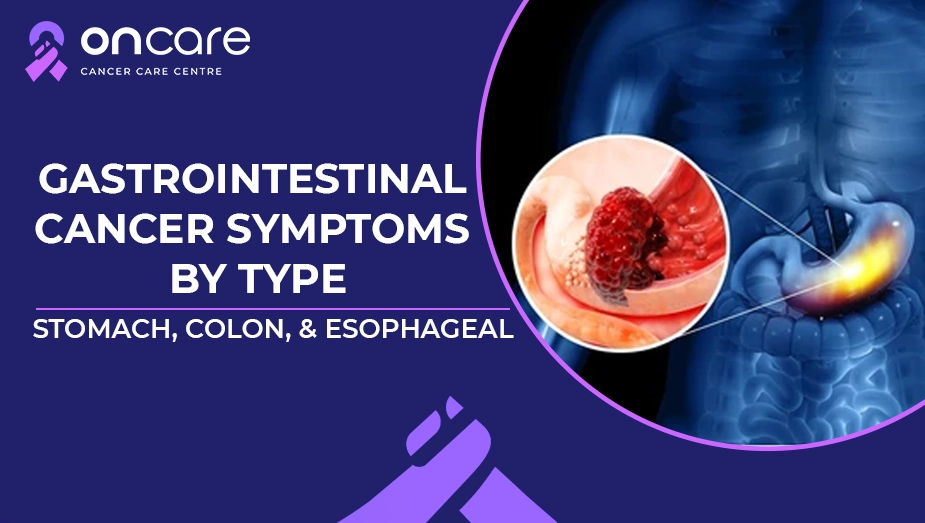
Gastrointestinal (GI) cancers are among the most common and complex types of cancers across the world. These cancers affect the organs involved in digestion, including the stomach, colon, rectum, and esophagus. One of the biggest challenges with gastrointestinal cancers is that early symptoms often appear unclear and are mistaken for routine digestive problems, often leading to delayed cancer diagnosis.
Understanding the early warning signs of each type of gastrointestinal cancer can help individuals seek medical attention early, when the treatment and medical attention are considered more effective.
In this blog, we’ll discuss more about stomach cancer, colon cancer, and esophageal cancer symptoms, along with risk factors and guidance on when to consult a doctor!
Understanding Gastrointestinal Cancer
Gastrointestinal cancers develop when abnormal cells grow uncontrollably in the digestive tract. Depending on the tumor-affected organ, some symptoms can vary significantly. Some GI cancers remain silent in the early stages; others gradually show signs that worsen over time.
Awareness of these cancers and practicing regular cancer screening, especially for high-risk individuals, are necessary for early detection and increased survival rates.
Stomach cancer
Stomach cancer develops slowly and may not show significant symptoms in its early stages. When symptoms start to appear, they are frequently confused with common or less serious health conditions like gastritis or acid reflux.
Symptoms of stomach cancer
Here are some of the common symptoms of stomach cancer, including:
- Constant indigestion or heartburn
- Feeling full or bloated after eating small amounts of food
- Mild stomach discomfort or burning sensation
- Nausea or vomiting
- Loss of appetite
- Vomiting blood
- Fatigue caused by anemia
- Sudden weight loss
- Constant abdominal pain
When to consult a doctor
If you are experiencing symptoms such as discomfort, bloating, or indigestion that continue for more than two weeks despite cancer treatment, medical evaluation is strongly recommended.
Colon cancer symptoms
Colon cancer usually begins as noncancerous growths called polyps on the inner lining of the colon or rectum. Over time, these polyps become more cancerous, which is why performing regular screenings is considered crucial, especially for people above the age of 45.
Symptoms of colon cancer
Here are some of the symptoms of colon cancer, including:
- Experiencing changes in bowel movements
- Blood in the stool
- Abdominal cramping, bloating or pain
- Chronic fatigue or weakness
- Iron deficiency anemia
- Unintentional weight loss
- Severe abdominal pain caused by bowel obstruction
When to consult a doctor
If you are experiencing a constant change in bowel habits or the presence of blood in stool, it should be investigated immediately, even in the absence of pain.
Esophageal cancer
Esophageal cancer affects the tube that carries food from the mouth to the stomach. Symptoms often appear once the tumor has grown large enough to interfere with swallowing.
Symptoms of Esophageal cancer
- Experiencing swallowing solid food (dysphagia)
- Sensation of food sticking in the throat or chest
- Chronic acid reflux or worsening heartburn
- Chest discomfort after eating
When to consult a doctor
If you are starting to experience swallowing difficulties or long-standing issues with acid reflux, then it is important to consult a doctor and require an immediate medical evaluation.
Common risk factors for Gastrointestinal Cancer
Here are some of the common risk factors for developing gastrointestinal cancer, including:
- Using tobacco products in any form
- Excessive alcohol consumption
- Diets high in processed foods and low in fiber
- People with Obesity and sedentary life conditions
- Chronic acid reflux (GERD)
- Family history of gastrointestinal cancer
- H.pylori infection (stomach cancer)
People aware of these risk factors allow individuals to make necessary lifestyle changes and seek essential preventive care.
Importance of early detection and screening
Early diagnosis plays a vital role in cancer detection and timely treatments and increases the chance of survival in patients with gastrointestinal cancers. Diagnostic tools such as endoscopy, colonoscopy, imaging tests, blood tests, and biopsies help to identify cancer at an early stage. Cancer diagnosed in the early stages, even before the symptoms start to become severe, has a chance to save lives.
Performing routine screenings, especially for colon cancer, can help to detect precancerous polyps and prevent cancer altogether. People who belong to a family history of gastrointestinal cancers or chronic digestive conditions should undergo cancer screenings earlier and more frequently.
When to consult a doctor?
Consult a medical practitioner if you are at an increased risk of developing gastrointestinal cancer. Talk to your doctor about the risk factors, and also get an immediate consultation and diagnosis and cancer screenings to avoid delayed treatments.
If you start to experience symptoms including:
- Digestive symptoms lasts longer than two or three weeks
- Blood in the stool (poop)
- Vomiting blood
- Difficulty in swallowing foods
- Persistent chest pain
- Constant abdominal pain
- Discomfort
- Sudden weight loss
- Fatigue
Early consultation in people with high risk factors can lead to timely diagnosis and life-saving treatments.
Consult Today
Gastrointestinal cancer generally develops in patients silently, with symptoms that might seem harmless in the early stages. It's important to pay attention to constant digestive changes, and understanding stomach, colon, and esophageal cancer symptoms can make a huge difference in identifying the symptoms in the beginning of the cancer growth. Early diagnosis not only improves the treatment outcomes but also improves quality of life and increases survival rates.
At Oncare, we offer premium-quality cancer treatments, including advanced cancer surgeries, at an affordable price range with an experienced cancer specialist consultation.
If you or any loved ones of yours are diagnosed with these cancer, then visit Oncare Cancer Center and book an appointment with our cancer specialist today. Get an estimated cost of your cancer treatments today!
Frequently Asked Questions
The common warning signs of Gastrointestinal Cancer including sudden weight loss, constant abdominal pain or discomfort, changes in bowel habits, blood in the stool (poop), and experiencing difficulty in swallowing foods.
The risk factors for GI cancer may include people above the age of 50, family history of cancer, smoking and alcohol use, obesity, and poor diet.
The treatment of these cancers may include surgery, chemotherapy, radiation therapy and targeted therapy.
Book an Appointment
Related Blogs

Metastatic Cancer Symptoms: How to Identify Cancer Spread
Discover more about metastatic cancer and its symptoms, how this cancer starts to spread, signs that metastatic cancer is spreading, and its treatment options!

Stage 3 Stomach Cancer Symptoms: Key Warning Signs
Learn the main stage 3 stomach cancer symptoms, including lasting stomach pain, early fullness, weight loss, nausea, bleeding, and weakness. Know when to seek medical help.

Stage 4 Bone Cancer Symptoms: Critical Indicators for Patients
Learn the stage 4 bone cancer symptoms, including severe pain, swelling, fractures, weight loss, fatigue, and breathing issues. Know what to watch for and when to seek help.

Stage 4 Pancreatic Cancer Symptoms: Physical and Emotional Changes
Learn the stage 4 pancreatic cancer symptoms, including severe pain, weight loss, jaundice, fatigue, and emotional changes. Understand what to expect and when to seek care.