Table of Contents
Drugs Used in Mouth Cancer Treatment: Chemo and Targeted Options

By Dr. Gajendra Kumar Himanshu


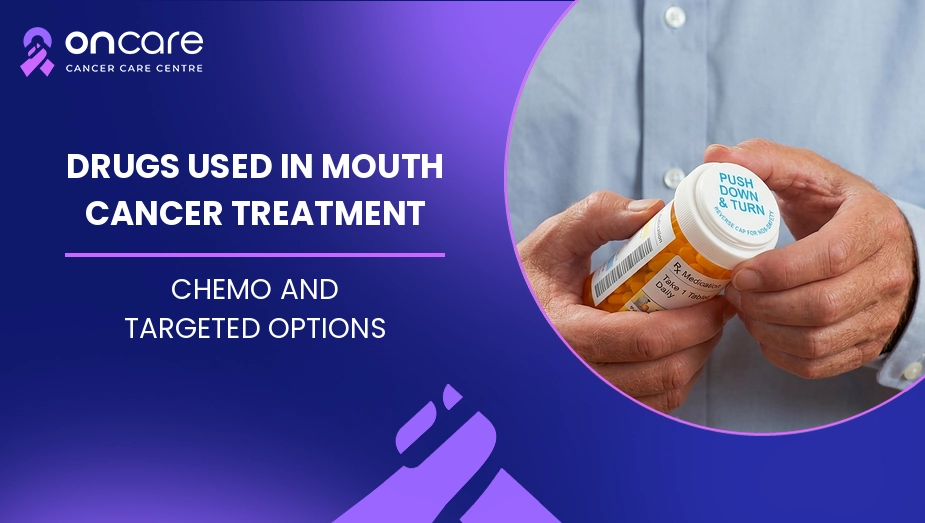
Mouth cancer treatment usually includes a combination of treatments used to eliminate, regulate, or slow the growth of cancer cells. Medicines are a crucial part of treating many individuals with mouth cancer, along with surgery and radiation therapy. There are two basic types of drugs: chemotherapy and targeted therapy. These drugs operate in different ways. Chemotherapy destroys fast-growing cancer cells anywhere in the body.
Targeted therapy is a treatment that targets specific proteins or other molecules involved in the growth and survival of cancer cells. The treatment plan for a patient is based on various aspects, including the type and stage of cancer, its location, the patient’s overall health, the goals of treatment, and the doctor’s recommendation. Learning about these treatment alternatives can help patients and families feel more confident and knowledgeable as they navigate their treatment process.
In this blog, we will discuss what medicines are typically used to treat oral cancer, how chemotherapy and targeted therapy operate, probable side effects, and how doctors decide whether treatment may be appropriate.
What is Drug Treatment Used for Mouth Cancer?
Drug therapies are typically used to help control the cancer, to shrink the size of tumours, or to make other treatments work better.
Doctors May Suggest Medicines To:
- Decrease the size of a tumour before therapy
- Help to eliminate cancer cells
- Lower the risk of cancer returning
- Treat cancer that has spread
- Enhance results when used with radiation therapy
Every treatment plan is customised to the unique situation of the patient.
How Does Chemotherapy Work?
Chemotherapy is the use of drugs that move in the bloodstream to kill fast-growing cancer cells.
Chemotherapy travels throughout the body and can therefore affect cancer cells away from the original tumour.
When Chemotherapy Might Be Recommended
Doctors may recommend chemotherapy:
- Before surgery or radiotherapy
- In addition to radiotherapy
- After treatment, in some cases
- If the cancer has progressed outside the mouth area
How often you get therapy and for how long depends on the type of cancer and the overall treatment strategy.
Chemotherapy Drugs Commonly Used
Some of the more prevalent chemotherapy medicines are:
- Cisplatin
- Carboplatin
- Fluorouracil (5-FU)
- Docetaxel
- Paclitaxel
The type of medicine or medicines you will be given will depend on your situation and medical history.
Possible Chemotherapy Side Effects
Side effects differ from person to person and depend on the drugs being used. Possible adverse effects include:
- Tiredness
- Nausea
- Reduced appetite
- Loss of hair
- Greater risk of infection
- Mouth ulcers
Many side effects are manageable with supportive care from doctors.
Targeted Therapy: A More Specific Approach to Treatment
Targeted therapy is distinct from chemotherapy. Instead of treating all rapidly dividing cells, targeted therapy acts on specific chemicals or proteins that help cancer cells grow and survive.
How Targeted Therapy Works
Targeted drugs might help:
- Slow cancer growth
- Block signals that cancer cells need to flourish
- Enhance treatment effectiveness
- Support cancer control in certain patients
Targeted therapy acts on specific cancer-related targets; therefore, it may affect healthy cells differently from chemotherapy.
Common Targeted Therapy for Mouth Cancer
One very prevalent type of targeted therapy for some head and neck cancers, including some cancers of the mouth, is:
- Cetuximab
Doctors look at the features of the malignancy and the overall health of the patient to evaluate if targeted therapy may be an option.
Understanding Chemotherapy and Targeted Therapy
Type of Treatment | How It Works | Main Objective |
|---|---|---|
Chemotherapy | Fights quickly dividing cancer cells in the body | Killing or inhibiting cancer cells |
Targeted treatments | Targets particular proteins or processes involved in cancer | Slow growth and improved response to treatment |
How Doctors Choose Which Drug Treatment to Use
No one treatment works for all. Doctors might think about:
- Stage of cancer
- Site of the tumour
- General health
- History of treatment
- Goals of treatment
- Genetic testing findings, if applicable
- Personal risk factors and family history
Many individuals are treated with a combination of treatments rather than one therapy.
Living Your Daily Life During Treatment
While cancer treatment can interfere with everyday activities, many patients can participate in normal activities with the necessary support. Some useful strategies include:
- Sticking to medication schedules
- Eating healthy foods when possible
- Drinking enough water
- Getting enough rest
- Keeping open dialogue with health care professionals
- Reaching out to relatives and friends
Sometimes small changes can make therapy easier.
Why Is Regular Follow-Up Important?
Follow-ups are used to check the progress and also help with any problems that may develop in the treatment. These appointments could include:
- Physical exams
- Imaging examinations
- Blood work
- A discussion of side effects
- Treatment adjustments if necessary
Regular monitoring helps to ensure the treatment plan is still appropriate for the patient’s needs.
Getting More Information from Reliable Sources
Dependable information can assist patients and family members in better grasping cancer therapy alternatives.
For reputable educational resources for patients and caregivers, the National Cancer Institute is an excellent resource for information regarding oral cancer treatment and cancer treatments.
A Bright Future Ahead
New advances in cancer therapy continue to add more options for patients with cancer of the mouth.
Chemotherapy and targeted therapy are now an integral part of the treatment arsenal that allows physicians to tailor treatment and improve cancer care.
No two patients are the same. Treatment options should always be made based on your particular risk, family history, genetic testing results when relevant, overall health and your doctor’s recommendations.
Consult Today
Chemotherapy and targeted therapy are drugs used to treat oral cancer. Doctors can use these drugs to treat cancer in different ways based on the individual patient’s situation. Chemotherapy works across the body to kill fast-developing cancer cells. Targeted therapy targets certain aspects of cancer cells that help them thrive. Knowing these therapy alternatives can help patients feel more prepared and involved in treatment decisions.
Therapy decisions should be based on individual risk, family history, genetic testing results, overall health, and input from qualified medical professionals. Oncare Cancer Hospital is a trusted name in expert guidance, comprehensive cancer care, and compassionate patient support in diagnosis, treatment, and rehabilitation.





Frequently Asked Questions
Common medications for this type of cancer include chemotherapy agents such as cisplatin and targeted therapies such as cetuximab.
Chemotherapy kills all fast-developing cancer cells in the body. Targeted therapy acts on specific proteins or pathways in cancer cells.
No. Treatment depends on the particular stage of cancer, general health, treatment goals, and your doctor’s opinion.
Yes. Many of the negative effects of treatment can be managed with the help of medical support, medication and lifestyle changes.
Written and Verified by:
Dr. Gajendra Kumar Himanshu Exp: 10 Yr
Medical Officer
Book an Appointment
Related Blogs
Drugs Used in Breast Cancer: Hormone Therapy, Chemo and Targeted Medicines
How hormone therapy, chemotherapy and targeted therapy work in breast cancer treatment, when each may be prescribed, possible side effects, and how doctors decide which approach is right for a patient.
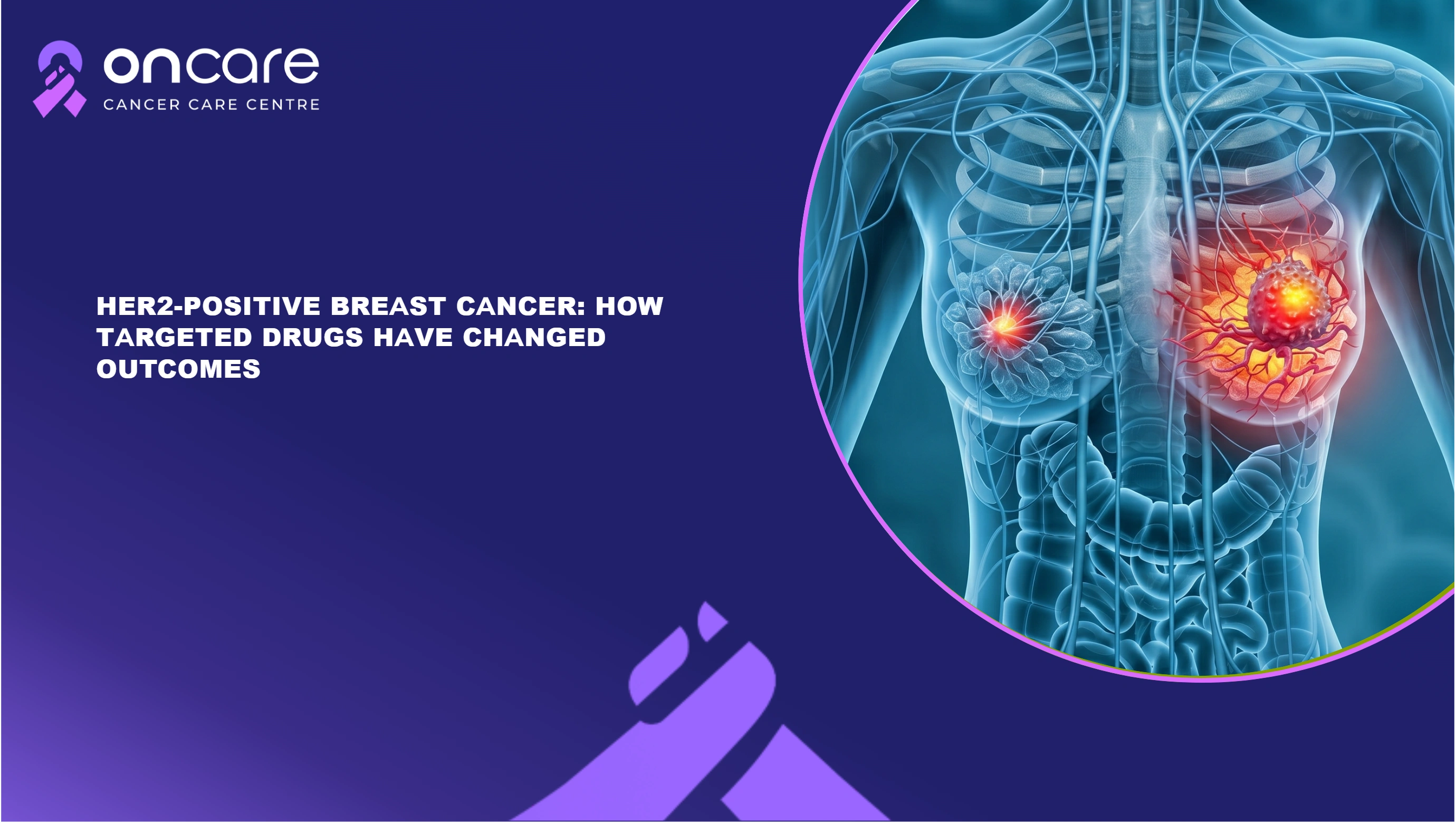
HER2-Positive Breast Cancer: How Targeted Drugs Have Changed Outcomes
Learn about HER2-positive breast cancer, targeted therapy treatments, symptoms, recovery care, advanced medical support, and care at Oncare Cancer Hospital.
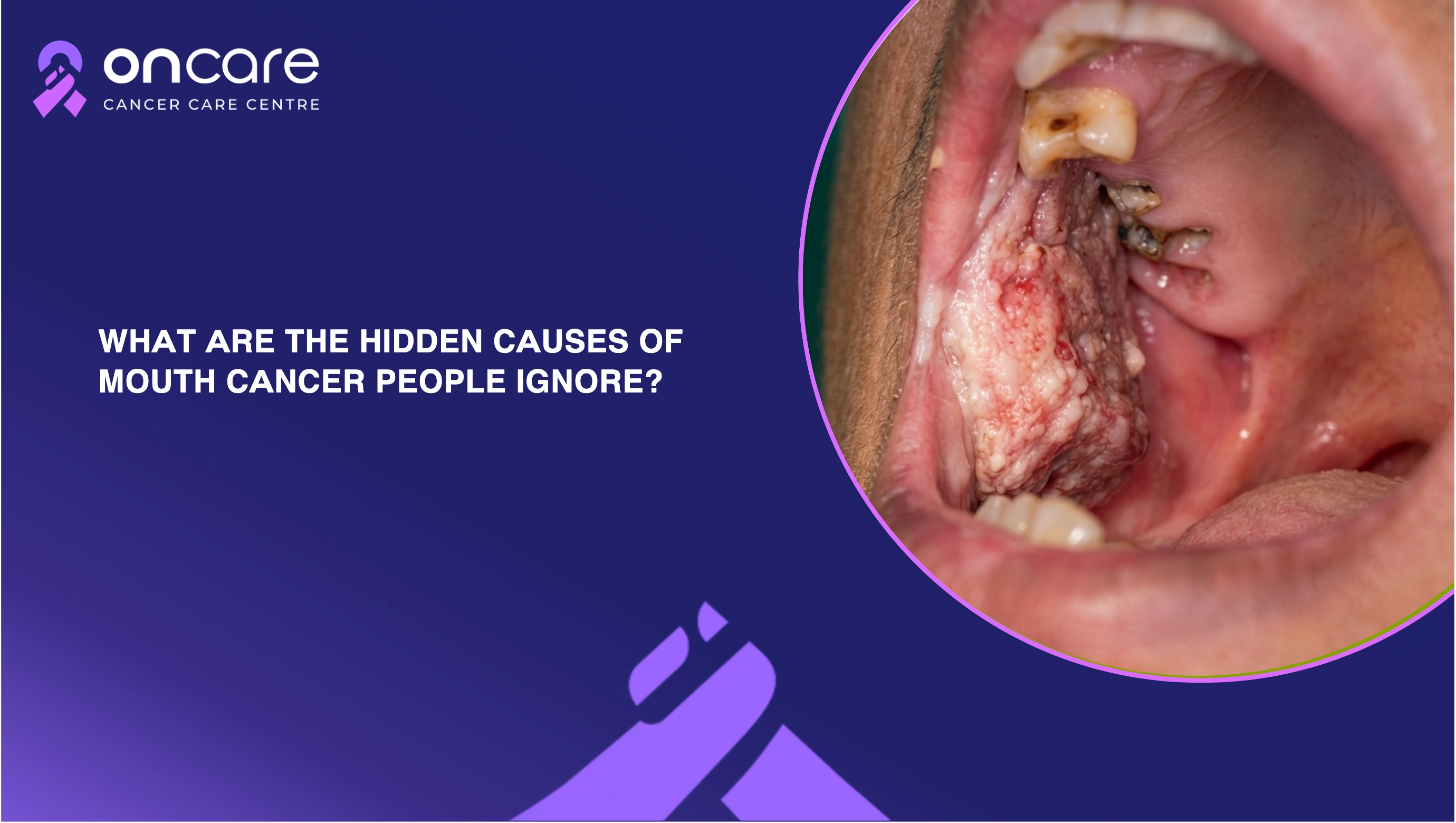
What Are the Hidden Causes of Mouth Cancer People Ignore?
Learn the hidden causes of mouth cancer and HPV. Understand early symptoms and how to reduce risks. Oncare Cancer Hospital provides expert care and treatment.
Mouth Cancer Treatment Options: From Surgery to Immunotherapy
Discover more about mouth cancer treatment options and common symptoms, early detection and cancer preventive measures and lifestyle tips during cancer treatments!