
No. There is no evidence that masturbation leads to prostate cancer. There has been no research showing any connection between the two.
Masturbation needs to be differentiated from total ejaculation frequency. In most research studies conducted, total ejaculations were taken into consideration regardless of whether it involved sexual intercourse, masturbation, or nocturnal emissions. Hence, results concerning total ejaculation frequency do not necessarily apply to masturbation.
A study from 2009, conducted in the United Kingdom, gave contradictory results depending on age groups, indicating that sexual behavior is related to varying patterns of risk depending on age. However, according to the results of a systematic review and meta-analysis in 2025, conducted on 29 studies, with 315,193 participants, there was no statistically significant relationship found between masturbation and the risk of prostate cancer.
In this blog, we look at what the research says about does masturbation cause prostate cancer, how ejaculation affects the prostate gland, and the real risk factors and symptoms of prostate cancer.
What Is Prostate Cancer?
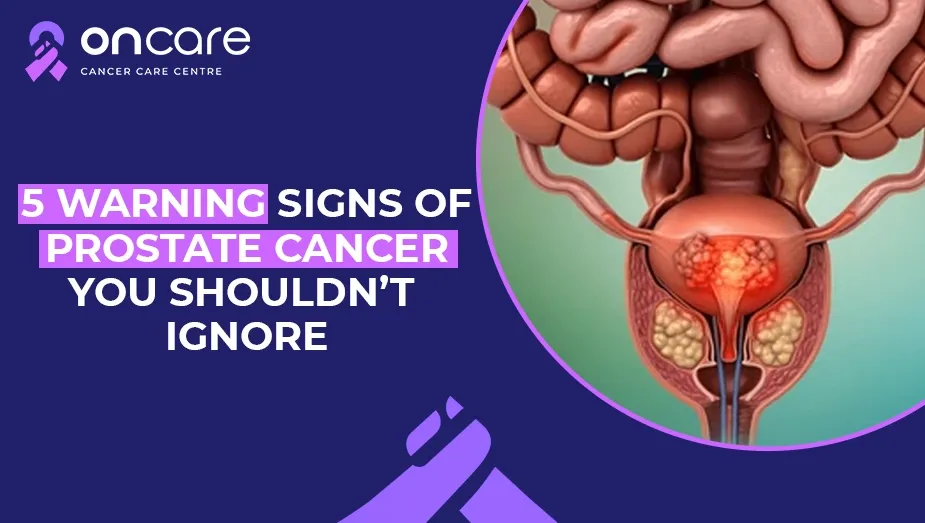
The prostate is a tiny gland present only in males. It is located below the bladder and surrounds the top portion of the urethra, the canal that passes urine outside from the body. The main role of the prostate is to manufacture some of the fluid that makes up the semen. Prostate cancer is the name of a condition when the abnormal growth and multiplication of cells of the prostate gland takes place. In most cases, it develops slowly and does not have any symptoms initially. However, in some cases, it may develop quickly.
Does Masturbation Cause Prostate Cancer?
No. There is no scientifically proven evidence that masturbation causes prostate cancer.
Masturbation is touching one's own genitals for sexual pleasure. It is normal and common. In men, it normally results in ejaculation, even if there are occasions when ejaculation is not achieved.
The belief that excessive masturbation may lead to cancer is just a myth. Scientists have studied various aspects of sexual behavior like masturbation, the frequency of intercourse, and ejaculation to establish their role in developing prostate cancer.
There has been no scientific proof yet showing that masturbation can be a risk factor to develop prostate cancer.
So there is no need to worry that regular masturbation will harm the prostate. However, at the same time, one must not take masturbation as a protection from the disease.
How Does Ejaculation Affect the Prostate Gland?
It helps to first understand what happens during ejaculation. The fluid that is secreted by the prostate gland becomes one of the components of the semen. Semen is made up of sperm, fluid from the prostate gland, and fluid from other reproductive glands, mainly the seminal vesicles. During ejaculation, semen is expelled from the body through the urethra. Masturbation may cause ejaculation just as any sexual activity would. It is a natural physiological process and does not cause any damage to the prostate gland.
Scientists have investigated whether regular release of semen can affect prostate health. The possible explanation is that semen release may help in eliminating some substances from the prostate gland secretion. However, this idea has not been confirmed scientifically, and it is just an assumption about the reduced cancer risk.
It is necessary to note that there is no need for constant semen release to preserve the prostate gland in good condition. There is no medically confirmed frequency of the semen releases per week or month.
What Does Scientific Research Say About Masturbation and Prostate Cancer?
There are several studies that have investigated the link between sex and the development of prostate cancer. The results obtained from the studies are useful, although they cannot prove causality. Some of the findings include:
1. What Did the 2004 JAMA Study Find?
The relationship between the ejaculation frequency and the risk of prostate cancer was studied by a paper published in JAMA in 2004. This study covered 29,342 men with an age range of 46 to 81 years.
The scientists assessed the average monthly total of the number of ejaculations from all sources: sexual intercourse, masturbation, and nocturnal emissions. The participants indicated the frequency of ejaculation at three intervals: from age 20 to 29, from age 40 to 49, and in 1991.
Results of the study indicated that men who experienced 21 or more ejaculations per month, compared to men who experienced 4–7 per month, had the following risk ratios for prostate cancer:
- At ages 20–29: 0.89 (not statistically significant).
- At ages 40–49: 0.68, indicating a 32% lower risk.
- During the previous year: 0.49, indicating a 51% lower risk.
Ejaculation frequency is also found to be similarly related to organ-confined prostate cancer cases; however, there were no significant relationships found between ejaculation frequency and advanced prostate cancer.
These results indicate a relationship between higher ejaculation frequency and decreased risk of some types of prostate cancers; however, these studies cannot prove that ejaculation decreases cancer risk.
2. What Did the 2016 European Urology Study Reveal?
The 2016 study published in European Urology replicated the results of the 2004 study utilizing the same participants from the Health Professionals Follow-up Study, but adding ten more years of follow-up period. There were 31,925 participants whose average monthly frequency of ejaculation at various adulthood ages was analyzed. Men who ejaculated 21 or more times per month were compared with those who ejaculated 4 to 7 times per month. The results of the study revealed that:
At ages 20–29: Those men that experienced ejaculation more often had 19 percent less chance of having prostate cancer.
At ages 40–49: Those men that experienced ejaculation more often had 22 percent less chance of having prostate cancer.
However, these percentages represent the ages at which these men reported their ejaculation practices, not the ages at which they developed cancer. It is also important to note that the reduced risk was largely related to low-risk prostate cancer. The researchers did not find any statistical significance in the reduction in high-risk prostate cancer or metastasis.
Even though these results indicate a connection between increased ejaculation and decreased risks of specific types of prostate cancer, they do not show that ejaculation protects against cancer. Additionally, these results cannot be used to conclude that masturbation reduces the risk of prostate cancer.
3. What Does the 2025 Meta-Analysis Say?
In 2025, there was a publication of a systematic review and meta-analysis that involved 29 studies with a total of 315,193 participants. Whereas a single study can only give a limited amount of information, meta-analysis involves putting together data from several studies to look for patterns. The researchers studied various aspects of sexual behaviors, including intercourse, ejaculation, and masturbation. The results showed that:
- There is no statistically significant correlation between masturbation frequency and prostate cancer risk.
- There is an inverse correlation between ejaculation frequency and prostate cancer risk.
- There is no statistically significant correlation between sexual intercourse frequency and the disease.
However, the study had other significant limitations as well. Out of the 29 articles analyzed, 26 of them were case-control studies and might therefore suffer from a recall bias since it is difficult to remember accurately one's sexual behavior from decades back. Furthermore, some of the biggest studies in the area measure overall frequency of ejaculation rather than specifically masturbation, making it hard to make conclusions in relation to masturbation and the risk of developing prostate cancer.
Can Frequent Ejaculation Lower Prostate Cancer Risk?
Several studies have indicated that men who are more sexually active are less likely to develop prostate cancer. But it is important to note that sexual activity is not an accepted prevention method for prostate cancer. There are several explanations for this kind of caution.
Association does not equal causation: Just because researchers can see an association between two things does not automatically imply that one thing leads to another.
Various kinds of ejaculation are considered: The studies frequently take into account ejaculation during masturbation, sex, and nocturnal emissions as a whole. Hence, their results cannot be extrapolated to masturbation only.
The health status of each person is important: Age, family background, changes in genes that have been inherited from parents, etc., can affect one’s risk of developing prostate cancer. Such variables can also vary between subjects.
This is why men are not supposed to develop any specific routine of ejaculations to reduce the risks of cancer development.
Is Masturbation Different from Sexual Intercourse in Prostate Cancer Research?
Yes. Masturbation and sexual intercourse represent two distinct sexual behaviors that may result in ejaculation. The distinction is important when analyzing scientific literature since there are no unified approaches to measuring the frequency of sexual behavior. For instance, some scientists measure the frequency of ejaculation, regardless of how it occurs. Others analyze masturbation and sexual intercourse separately.
It means that one man might experience ejaculation as a result of masturbation but not engage in sexual intercourse at all. Another man might practice sexual intercourse regularly but masturbate rarely.
The usefulness of the 2025 meta-analysis lies in the fact that it distinguishes between masturbation frequency and ejaculation frequency. The former is not associated with prostate cancer risk, whereas the latter is associated with its decreased probability. Therefore, it cannot be concluded that the literature review has confirmed that masturbation protects men from the disease.
Can Masturbation Damage the Prostate or Cause Other Health Problems?
Masturbation itself is not harmful to the prostate gland. It is regarded as a natural form of sexuality and has no impact on developing cancer, infertility, or sexual weakness.
On the other hand, some individuals may feel a temporary sensation of pain, especially if they masturbate violently or continuously in a short time. Possible temporary effects include:
- Irritation or pain caused by friction.
- Tenderness in the private parts.
- Sensitivity following ejaculation.
- Pain that usually subsides without any medical assistance.
Excessive pressure and/or pain while masturbating can lead to irritation or mild injuries. Relaxing and abstaining from harsh stimulation can reduce chances of these issues.
However, in case of continuing pain, the presence of blood in the semen, pain while urinating, or chronic pelvic pain, one should visit a doctor. Also, people should not immediately assume that the problem is due to masturbation.
What Are the Actual Risk Factors for Prostate Cancer?
Although it has never been proven that masturbation is one of the causes of prostate cancer, there are some factors that are known to increase the likelihood of developing this condition. Prostate cancer is among the more common cancers affecting men in India, and its incidence increases with age, according to data from the ICMR–National Cancer Registry Programme (NCRP).
1. Does Age Increase Prostate Cancer Risk?
Age is considered one of the most important risk factors for prostate cancer. It becomes prevalent from the age of 50 years onwards, and the majority of cases are detected among men older than 65 years. As far as the average risk men are concerned, they are advised by medical practitioners to consider discussing PSA testing when they turn 50 years old. If there is an increased risk of developing prostate cancer – especially due to familial occurrence or genetic mutations such as BRCA2 – it is advisable to get tested at 40-45 years of age.
2. Can Family History Increase the Chances?
Prostate cancer risk can be higher in men who have a close blood relative, such as their father or brother, who has had the disease. The risk increases further when that relative was diagnosed at a young age (under 60–65 years). Having multiple close relatives with prostate cancer can also increase the risk. Men with this family history should discuss their screening needs with a doctor.
3. Do Inherited Gene Changes Play a Role?
Genetic mutations passed down through generations may increase the chances of getting prostate cancer. Gene mutations like BRCA1 and BRCA2 are related to higher chances of getting prostate cancer. Nevertheless, BRCA2 gene mutations have a much higher risk of prostate cancer compared to BRCA1 mutations. There are other genetic mutations that increase the chances of prostate cancer, including Lynch syndrome. Inheriting genetic mutations does not necessarily guarantee that an individual is going to get cancer.
4. Does Ancestry Influence Prostate Cancer Risk?
There are variations between races and ancestries regarding the prevalence of prostate cancer. For example, males with an African background have a high susceptibility to getting prostate cancer, and they can also develop aggressive forms of the disease. The underlying causes of this variation have not yet been determined. There might be some genetic or healthcare factors involved.
5. Can Lifestyle Factors Affect Prostate Cancer Risk?
The lifestyle of an individual can affect one’s health, and it can potentially affect the incidence of prostate cancer. Factors such as body weight, physical exercise, diet, and smoking habits have been studied by scientists. The research findings, however, do not hold the same strength for all the factors involved. It makes sense to maintain a healthy body weight, often exercise, and eat well-balanced meals. But these actions must never be regarded as guarantees against the disease.
What Are the Common Warning Signs of Prostate Cancer?
Early prostate cancer often causes no symptoms. The symptoms, however, might be linked to urination or sexual problems. Other symptoms of prostate cancer can occur anywhere in the body. Some warning signs include:
Symptoms | What you may notice |
|---|---|
Frequent urination | Needing to urinate more often than usual, especially at night |
Difficulty urinating | Trouble starting the urine stream |
Weak urine flow | Urine coming out slowly or with less force |
Interrupted urination | Urine flow stopping and starting repeatedly |
Blood in urine | Pink, red or brown urine |
Blood in semen | Blood during ejaculation; usually harmless in younger men, but persistent bleeding needs evaluation. |
Erectile difficulties | Trouble getting or maintaining an erection |
Pelvic discomfort | Persistent pain around the pelvic area |
Back or hip pain | Persistent bone or hip pain needs prompt evaluation; it is not typical of an enlarged prostate. |
Unexplained weight loss | Weight loss without changes in diet or activity; needs prompt evaluation. |
These warning signs of prostate cancer do not automatically signify that one suffers from disease. These can also occur because of an enlarged prostate, urinary infections, and other disorders. However, any persistent changes should be medically examined.
How Can Prostate Cancer Be Detected Early?
Various tests will be recommended based on individual cases that depend on age and medical history of the patient. The most common diagnostic methods include the following:
1. Prostate-Specific Antigen (PSA) Blood Test
Prostate-specific antigen (PSA) is a protein found in the male prostate gland and measured using the PSA blood test. A high PSA can be a sign of prostate cancer, but it can also be raised by an enlarged prostate or an infection.
Preparation Before a PSA Test: Avoid ejaculation and vigorous cycling for at least 48 hours before a PSA blood test. Both activities can temporarily increase PSA levels and may affect test results.
2. Digital Rectal Examination (DRE)
In the process of this exam, the physician uses a lubricated glove to place his or her finger inside the rectum to assess the state of the prostate gland.
3. Prostate MRI
An MRI produces images of the prostate. It is used to detect suspicious regions and consider a need for a biopsy procedure.
4. Prostate Biopsy
If tests indicate that there is any risk of cancer, the patient may be advised to undergo a biopsy. In a biopsy, small amounts of prostate tissue are removed and analyzed under the microscope. The biopsy will help in confirming whether cancerous cells are present or not. If cancer is found, the pathologist also gives a Gleason score, which shows how fast the cancer may grow. All these tests are not necessary for all patients. Decisions for screening should be taken only after proper consultation with an experienced doctor.
Can You Reduce Your Risk of Prostate Cancer?
There is no proven method to avoid prostate cancer. But living a healthy lifestyle will keep you fit and might lower your risk of developing some health problems. The following factors should be considered:
Physical activity: Walking, cycling or any other physical activities might help you stay fit.
Healthy diet: Eat lots of vegetables, fruits and whole grains.
Maintain a healthy weight: Do not remain inactive for a long time and eat a healthy diet.
Stop smoking: This habit helps you lead a healthy life and reduces your intake of harmful agents.
Family History: Inform your doctor about any family members who have suffered from prostate cancer, as this will help determine your risk of developing it early.
Screening for Prostate Cancer: Men at average risk should discuss PSA screening around age 50. Those with a close family history or BRCA2 mutation may need to discuss screening earlier, around ages 40–45.
While this information is important for good health, it does not guarantee the absence of prostate cancer.
When Should You Consult a Doctor?
Get emergency care if you suddenly cannot pass urine, especially with lower belly pain, or if you have back pain with leg weakness or loss of bladder or bowel control. Consult a physician in case of any of the following signs:
- Difficulty urinating or changes in your normal urination pattern.
- Presence of blood in your urine or semen.
- Pelvic, back or hip pain.
- Trouble with erections.
- Unexplained weight loss.
- Symptoms that make it hard for you to live your life normally.
In case there is a family history of prostate cancer, consult your physician on your risk status, especially if someone in your close family circle has been diagnosed with the disease. Never be hesitant to mention any problems related to sexual activity or urination to your physician.
Take into account that there might be no symptoms of prostate cancer at all, especially during the early stages of development of the disease.
Consult Today
Awareness of prostate cancer begins with knowledge of the facts and being aware when the need for medical opinion arises. If you are worried about your prostate health or experiencing any unusual symptoms with urination, it would be advisable for you to visit an expert oncologist. Oncare Cancer Hospital offers patients the opportunity of consulting qualified doctors who will explain symptoms, diagnose and treat patients accordingly.
Disclaimer
This article is for educational purposes only and should not be taken as a replacement for professional advice, diagnosis, or treatment by a physician. Studies are still ongoing to find out the link between the rate of ejaculation and prostate cancer. Do not rely on masturbation and any kind of sexual act for protection against cancer.
Frequently Asked Questions
Can masturbating contribute to the development of prostate cancer?
No, since currently there is no scientific evidence supporting that masturbating contributes to the development of this type of cancer. No statistically significant correlation between the frequency of this sexual activity and its development has been identified yet.
Can frequent ejaculations protect from prostate cancer?
According to some studies, people who engage in frequent ejaculations have a decreased chance of developing prostate cancer; however, no research has confirmed it yet.
Is it dangerous to masturbate every day?
There is nothing wrong with this practice, as long as it does not cause any discomfort or irritations. There is also no medical requirement regarding the frequency of ejaculations in order to maintain the health of the prostate gland.
Can ejaculation affect a PSA test?
Yes. There is evidence that ejaculation may cause a temporary elevation in PSA levels. Physicians generally advise not having any ejaculation for at least 48 hours prior to conducting a PSA blood test.
Does not ejaculating increase prostate cancer risk?
No. There is no conclusive proof that infrequent ejaculation causes prostate cancer. Men do not have to engage in any certain level of ejaculations to ensure prostate health.
Can masturbation cause an enlarged prostate (BPH)?
Masturbation doesn’t lead to benign prostatic hyperplasia, which is more popularly referred to as enlarged prostate. An enlarged prostate is usually associated with aging and hormonal changes. It has nothing to do with masturbation or ejaculation.