Table of Contents
Do Eggs Cause Cancer? Facts vs Myths

By Prashant Baghel


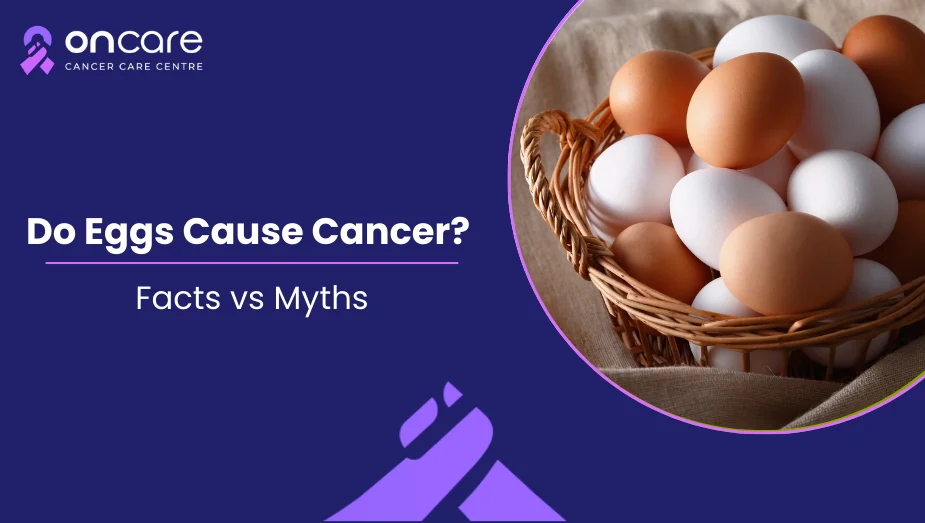
Eggs are one of the most commonly used foods across the world. Eggs are considered affordable and nutrient-rich foods, including high levels of proteins and essential nutrients like B12 and D, with minerals such as selenium, choline, and healthy fats. Instead of their well-known health benefits, eggs are linked to cancer risks in the online media, causing confusion and fear among most consumers who love eating eggs.
In this article, we’ll discover whether eggs cause cancer or if this is just a myth, and we’ll help you to make more informed decisions about having eggs in your diet.
The Myth: Eggs cause Cancer
The myth that eating eggs can cause cancer has spread widely throughout the internet, also fueled in the headlines of social media.
Here are some common reasons cited include below:
- Cholesterol content: The egg yolks contain a high level of cholesterol, which some studies have connected with the risk of inflammation and oxidative stress.
- Choline and TMAO: Eggs are rich in choline, which is crucial for brain and liver function. A certain amount of gut bacteria can metabolize the choline to trimethylamine N-oxide, also known as TMAO, which is a proper compound that has been linked to increasing the risk of cancer in some studies.
- Cooking methods: An excessive level of frying or overcooking eggs can produce oxidized cholesterol and advanced glycation end products (AGEs), which are often associated with cell damage.
All of these claims have caused some people to reduce or completely avoid the consumption of eggs from their diets, fearing the long-term risk of cancer development.
What does science say about eggs?
1. Eggs are nutrient-rich and support health
Eggs are known to provide high-quality protein and essential nutrients that help to support overall health.
Here are some of the key benefits of eating eggs, including:
- Improves immune function: Selenium, vitamin B12 and D, zinc might support improving the immune system.
- Brain health: Choline helps with improving memory and cognitive function in people who consume eggs moderately.
- Eye health: Lutein and zeaxanthin in egg yolks helps to protect against age related macular degeneration.
- Muscle maintenance: A high-quality of protein helps to preserve muscle mass, especially in older adults.
Eggs are far from being a ‘harmful food’; they also provide many nutrients that protect against various disease developments.
2. Importance of Overall Diet and Lifestyle
Eating eggs alone cannot cause the risk of cancer development in people. There are some other factors, that might also cause cancer risk in people, including:
- Diet patterns: A high intake of fruits, vegetables, whole grains, and lean proteins, helps to reduce the risk of cancer in people.
- Performing gentle physical activities: Performing regular physical activities, often lowers the risk of obesity- related cancer.
- Smoking cigarettes and alcohol consumption: People with these lifestyles have more strong risk of developing cancer than eating eggs.
- Weight management: Maintaining a healthy body weight helps to reduce inflammation and cancer risk.
For instance, a single food item, such as egg , won't only cause cancer, which is far less important than overall dietary habits and lifestyle choices.
3. Research on eggs and cancer risks
Many scientific studies on egg consumption and cancer risks can produce mixed results, including:
- Prostate cancers: Some studies suggest that a very high consumption of eggs, which is more than 7 eggs per week, might slightly increase the risk of developing prostate cancer. While other studies find no major link, the risk increase is comparatively small in people.
- Colorectal cancers: Most studies suggest no significant association between a moderate egg consumption and increased the risk of colorectal cancer.
- Breast cancers: Research has consistently shown no strong link between egg intake and breast cancer.
- Other types of cancers: Some of the limited evidence suggests that eggs play a minor role in cancer risk; these findings are inconsistent and not conclusive at all.
Key note: People who consume eggs moderately, approximately 3-7 eggs per week, are generally considered safe and unlikely to increase the risk of cancer in most people.
4. Practical tips for including eggs safely in the diet
Here are some of the practical tips for eating eggs safely for your diets, including:
- Moderate eating is key to a healthy diet: Eating 3-7 eggs per week is generally considered safe according to nutritional specialists.
- Healthy cooking options: Follow boiling, poaching, or steaming eggs to preserve the nutrients.
- Combine eggs with vegetables: You can prepare omelettes with spinach, tomatoes, and peppers to increase fiber and antioxidants.
- Balance your diet: You can also add fish, legumes, or poultry to make your dish for a variety.
- Check your cholesterol levels: People with high cholesterol levels or heart disease should consult a healthcare provider about their weekly egg consumption.
5.Common myths about eggs
Here are some of the common myths and misconceptions linked with the consumption of eggs, along with hidden facts about eggs; these may include:
- Myth 1: Eggs cause all types of cancers.
- Fact : Many studies and no scientific evidence support this, and some of the risks might depend on the total diet and lifestyle of people.
- Myth 2: Egg yolks are always bad.
- Fact: The egg yolks might contain most of the vitamins and minerals; that’s why moderation is key for a healthy lifestyle.
- Myth 3: Eating eggs daily dangerous.
- Fact : Many people can consume 1 egg per day. While many dietitians suggest that it's safe to have as few as 1 egg per day as part of a healthy diet.
Consult Today
So, if you are concerned about whether eating eggs causes cancer, then the answer is NO, not when eaten in moderation as part of a balanced diet. Many dietitians claim that typically 1 egg per day is safe and part of a healthy, balanced diet. Most research suggests that eggs are nutrient-rich and help to support overall health, with little evidence linking moderate consumption to cancer risk.
At Oncare, we offer premium-quality cancer treatments, including advanced cancer surgeries, at an affordable price range with an experienced cancer specialist consultation.
If you or any loved ones of yours are diagnosed with cancer, then visit Oncare Cancer Hospital and book an appointment with our experienced cancer specialist today! Get an estimated cost of your cancer treatments today!
Frequently Asked Questions
No, current studies have shown that moderate egg consumption is safe for most people.
Egg yolks contain the most vitamins and minerals, and healthy fats in an egg. They are not harmful if eaten in moderation.
Boiled, poached, or lightly scrambled eggs, are the healthiest options.
Book an Appointment
Related Blogs
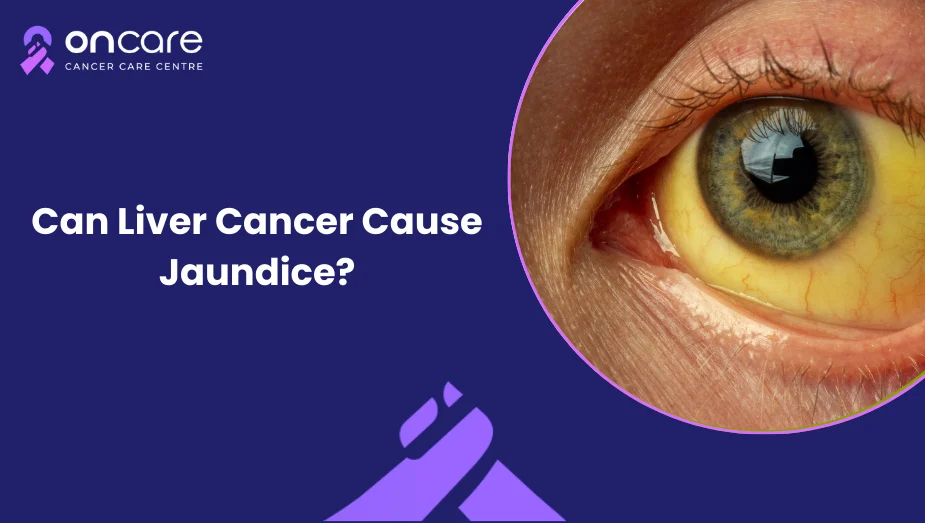
Can Liver Cancer Cause Jaundice?
Liver cancer can cause jaundice when bile ducts are blocked or liver cells are damaged. Learn why yellow eyes and skin happen, what it mean, and when to see a doctor.

What Causes Pimples on the Breast? Is It Breast Cancer?
Pimples on the breast are usually harmless and caused by sweat, hormones, or clogged pores. Learn common causes, differences from cancer signs, and when to see a doctor.
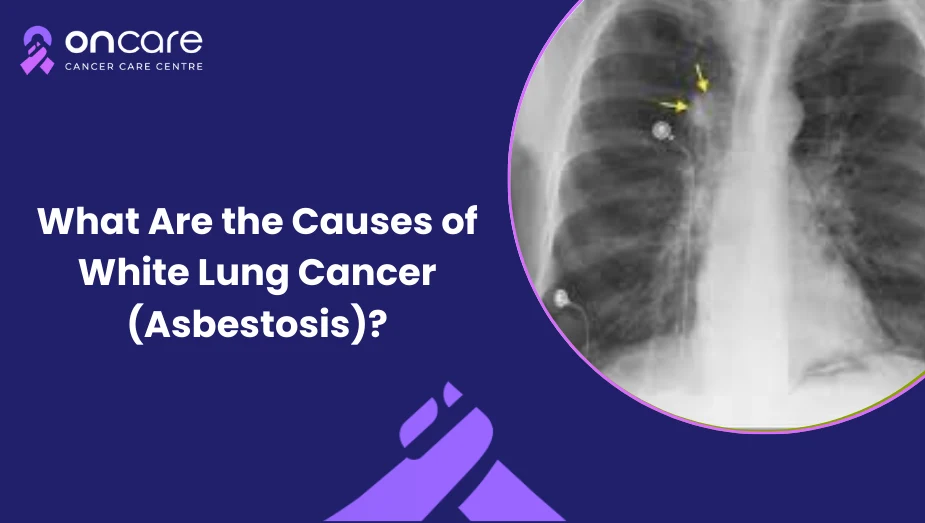
What Are the Causes of White Lung Cancer (Asbestosis)?
White lung cancer is mainly caused by long-term asbestos exposure and asbestosis. Discover its causes, risk factors, and early warning signs.

Can Men Get Breast Cancer? Causes, Symptoms, and Treatment
Discover more about how men get breast cancer, what the causes and risk factors of breast cancer in men are, how breast cancer is diagnosed, and its symptoms and treatments!