Table of Contents
Diet for Liver Cancer Patients

By Prashant Baghel


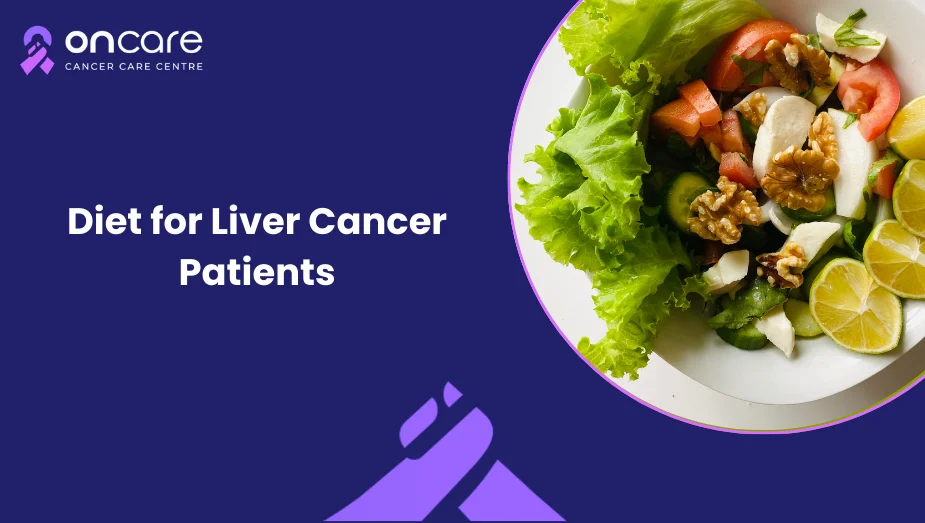
When someone finds out they have liver cancer, food becomes more than just a habit. A lot of patients and their families want to know what foods to eat, what to stay away from, and how diet might help the body throughout treatment. The liver is important for digestion, so eating the appropriate foods will help you get stronger, deal with your symptoms, and get better.
In this post, we'll talk about the diet for people with liver cancer in simple, easy-to-understand terms. You will discover why diet is important, what kinds of foods are good for you, how your eating habits may change during therapy, and how small changes in what you eat can have a huge effect.
Why Diet Matters for People with Liver Cancer
The liver helps the body break down food, get rid of poisons, and digest food. Liver cancer can make it hard for the body to use food efficiently. A healthy diet helps your liver work less hard and keeps you healthy overall.
Eating right can help you keep your weight in check, boost your energy, and boost your immune system. It can also help patients handle treatments like surgery, chemotherapy, or immunotherapy better.
Eating healthy doesn't cure liver cancer, but it does help the body stay strong and deal with the disease better.
How Liver Cancer Changes Your Appetite and Digestion
People with liver cancer often feel differently about food. Some people get full extremely quickly, while others lose their desire to eat. It's typical to have digestive difficulties when the liver isn't performing at its best.
You might also feel sick, bloated, or have a different flavor. These changes make it tougher to get enough food, so it's crucial to choose foods that are mild and mindful.
It is generally easier to eat smaller meals more often than to consume big meals.
Basic Rules for a Diet That Is Good for Your Liver
A diet that is good for the liver includes meals that are easy to digest and don't hurt the liver. The idea is to give the liver enough energy and nutrition without overworking it.
Most of the time, fresh, uncomplicated foods are better than things that have been excessively processed or are greasy. Drinking adequate water also helps the body work better.
Depending on how well your liver is working and what stage of therapy you're in, your diet demands may be different.
The Best Foods for People with Liver Cancer
Some foods can help you stay strong and healthy without putting too much strain on your liver. These foods are chosen because they are easy to digest and have a lot of nutrients.
Protein Sources That Don't Hurt the Liver
Protein is crucial for recovery and keeping muscular mass. But eating too much or too high a protein can put a lot of stress on the liver.
People often find it simpler to digest soft proteins like lentils, beans, eggs, tofu, fish, and tiny amounts of lean poultry. These help the body fix itself and stay robust.
Daily Nutrition: Fruits and Vegetables
Fruits and vegetables are good sources of vitamins, minerals, and antioxidants. They help your immune system and your wellness in general.
Vegetables that have been cooked are usually easier to digest than those that haven't. Apples, papayas, bananas, and berries are all good for you and not too hard on your stomach.
Foods that are good for you and give you energy
The body gets energy from carbohydrates. Rice, oats, and wheat are examples of whole grains that are usually superior options.
Patients who don't want to eat or are weak can benefit from simple foods like oatmeal, khichdi, or soft bread.
Foods to Cut Back on or Stay Away From When You Have Liver Cancer
Some meals make the liver work harder and could make symptoms worse. Not doing these things helps keep the liver healthy.
Foods that are fatty and fried
Fried, greasy, and quick foods are hard to process and put extra stress on the liver. These foods can make you feel bloated and uncomfortable.
It's crucial to limit snacks that are deep-fried and gravies that are heavy.
Drinks with sugar and alcohol
Stay away from alcohol altogether because it is highly bad for the liver. Drinks with a lot of sugar and bottled juices also stress the liver.
It's best to drink water, coconut water, or mild soups.
Foods that are very processed and salty
Foods that come in packages often include too much salt and preservatives. Too much salt might make you bloat and hold onto water.
It's safer and healthier to eat meals that are made at home.
Taking Care of Your Diet While You're Being Treated
When you have liver cancer, treatment can modify how your body reacts to food. During this time, you may need to change your diet.
Eating While Getting Chemotherapy or Immunotherapy
Treatment can make you feel sick, affect your taste, or hurt your tongue. People generally find it easier to eat soft, bland foods.
Eating little amounts and picking foods with moderate flavors will help you stay on track.
How to Handle Losing Weight and Feeling Weak
Weight loss that wasn't anticipated is prevalent in people with liver cancer. Soups, smoothies, and soft dinners are all good ways to add healthy calories to your diet and keep your weight stable.
If necessary, doctors or dietitians may recommend vitamins.
Fluid Balance and Hydration
It's vital to drink adequate fluids, but if you see swelling or fluid buildup, you may need to keep an eye on how much you drink.
Doctors tell patients how much fluid to drink based on how well their livers are working.
Why Personalized Diet Planning Is Important
Each person with liver cancer is unique. What works for one individual might not work for another.
Diet demands depend on things including the stage of cancer, how well the liver works, body weight, and the type of treatment. A personalized diet plan makes sure you get better nutrition and feel better.
The finest eating plan can be made by working with doctors and nutritionists.
Emotional Connection With Food During Illness
When you're sick, you have an emotional connection to food.
Food and feelings are very strongly related. Not being able to eat or having to follow a tight diet can be stressful.
Patients feel cared for when their family is there for them, is patient, and is willing to change their meals. Eating together and keeping meals stress-free are good for your mental health.
Nutrition isn't just about what you eat; it's also about how you feel and how you take care of yourself.
How to Live Better with the Right Diet
A healthy diet can help people with liver cancer feel better and have more energy. It helps the body heal and get better throughout treatment.
Diet cannot replace medical treatment, but it is an important part of comprehensive care.
You can see big changes in your health by making small changes to what you eat every day.
Consult Today
The diet for those with liver cancer is all about helping the body while putting less burden on the liver. Eating foods that are simple, healthy, and easy to digest will help you stay strong, deal with your symptoms, and improve your quality of life. It's crucial to give each patient individual advice because their needs are different.
Oncare Cancer Hospital has skilled doctors, caring staff, and treatment regimens that focus on improving comfort, strength, and general health. They offer expert cancer care, tailored dietary advice, and sophisticated liver cancer therapy.
Frequently Asked Questions
No, nutrition cannot cure liver cancer, but it can benefit the body throughout therapy.
No, protein is vital, but you should choose the proper kind and eat the right amount.
No, those with liver cancer should not drink alcohol at all.
Yes, a dietician may make a strategy that is just right for each person.
Book an Appointment
Related Blogs
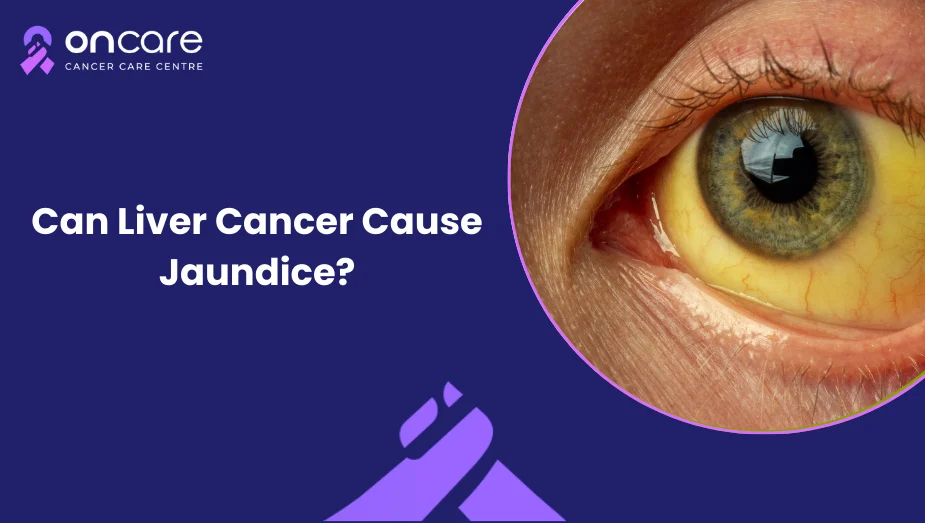
Can Liver Cancer Cause Jaundice?
Liver cancer can cause jaundice when bile ducts are blocked or liver cells are damaged. Learn why yellow eyes and skin happen, what it mean, and when to see a doctor.
Is a Cure Possible for Breast Cancer Metastatic to the Liver?
Breast cancer that has spread to the liver is usually not curable, but modern treatments can control the disease and help patients live longer with a good quality of life.
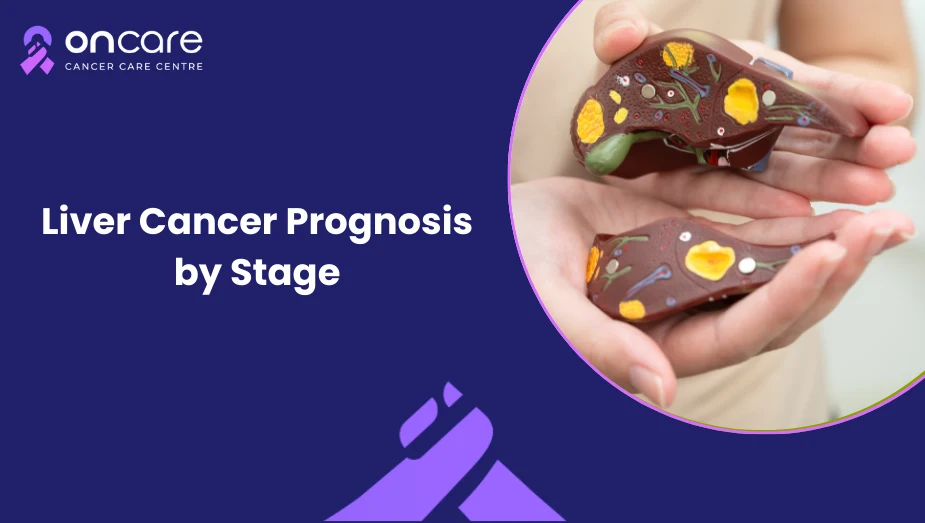
Liver Cancer Prognosis by Stage: Survival Rates & Treatment
Liver cancer prognosis by stage explains survival chances, treatment options, and outcomes from early to advanced stages. Learn what each stage means for the future.

Liver Cancer First Stage Symptoms: Spot It Before It Spreads
Learn the key liver cancer first stage symptoms, including early pain, fatigue, appetite loss, jaundice, and stomach changes. Know what to notice and when to see a doctor.