Table of Contents
Colorectal Cancer Screening Blood Test: How Reliable Is It?

By Prashant Baghel


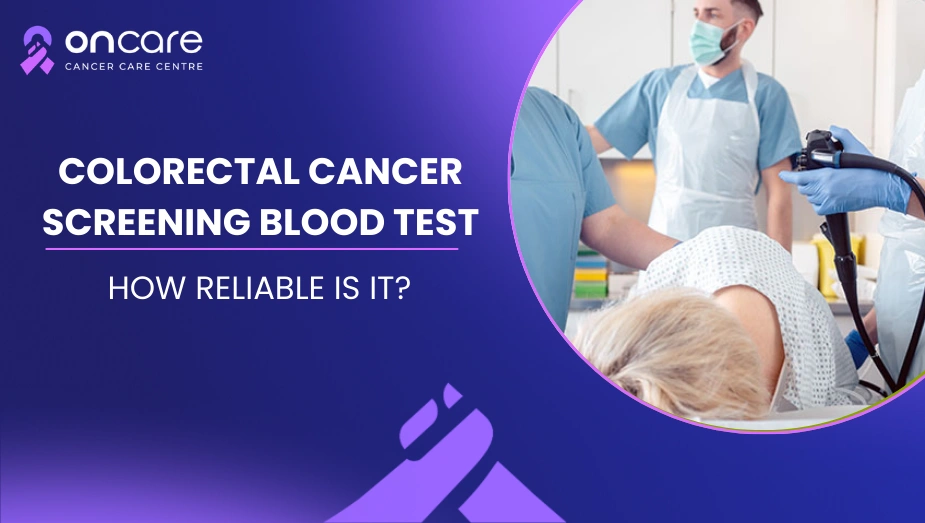
What if a simple blood test could help find cancer early and save your life? A lot of people are scared of colonoscopy and other procedures. Because of this, there is a lot of interest in a colorectal cancer test that uses blood. People want something that is easy, simple, and not too uncomfortable.
Colorectal cancer often grows slowly and may not show any signs at first. That's why it's so important to get screened. There are now stool tests, colonoscopies, and blood tests for colorectal cancer. In this article, we'll talk about how reliable a blood test for colorectal cancer is, how it compares to a colorectal stool test, what home testing options are available, and what you should know before choosing a screening method.
What is a Test for Colorectal Cancer?
A colorectal cancer test looks for early signs of cancer in the rectum or colon. The goal is to find cancer before it causes any symptoms. Finding the disease early makes treatment easier and increases the chances of survival.
There are different tests for colorectal cancer. Some tests look for hidden blood or abnormal DNA in the stool. Some tests, like colonoscopy, look directly inside the colon. Blood-based screening has become more popular lately, and a lot of people want to know what the colorectal cancer test name is for these new blood tests.
Colorectal screening that uses blood may have different brand names at different hospitals and labs. But the main idea is still the same. Testing the blood for DNA or other markers that could mean cancer.
How Does a Blood Test for Colorectal Cancer Work?
A blood test for colorectal cancer looks for small pieces of DNA that cancer cells send into the blood. Some people call these pieces "circulating tumor DNA." Finding abnormal DNA could mean that cancer is present.
It's easy to do this kind of screening. Just like a regular blood test, they take a small amount of blood from your arm. You don't need to prepare your bowels, be sedated, or stay in the hospital. A lot of people choose this option for that reason.
But it's important to know that not every blood test is perfect. Some cancers that are still in their early stages or small polyps that are not yet cancerous may not release enough DNA to be found. That has an effect on how accurate the test can be.
How Does the Blood Test Compare to Other Tests in Terms of Reliability?
When we talk about reliability, we mean how often a colorectal cancer test gets it right and how often it misses it. Blood tests for colorectal cancer are showing good results, especially for finding more advanced cancers.
But blood tests may not be as good at finding small polyps as colonoscopy. Colonoscopy can find cancer and also take out polyps before they turn into cancer. Because of this, colonoscopy is one of the best tests for colorectal cancer.
A fecal immunochemical test, which is a type of colorectal stool test, looks for blood that isn't visible in the stool. These tests work well when done on a regular basis. Stool tests can find early signs of disease better than blood tests in many cases.
So, even though blood-based screening is easy, it might not be able to completely replace other tests for colorectal cancer right now.
Is It a Good Idea to Do a Colorectal Test at Home?
A lot of people would rather have a colorectal test at home because it feels more private and comfortable. People often use colorectal stool test kits to check their health at home. You take a small sample of stool and send it to a lab to be tested.
If you do a colorectal stool test at home as directed, it can be very helpful. It's easy and doesn't require a trip to the hospital. If the result is positive, though, you will still need a colonoscopy to be sure.
Right now, most blood tests for colorectal cancer are done in a clinic or lab, not completely at home. But the process is still faster and easier than a colonoscopy.
What Is the Name of the Blood Test for Colorectal Cancer?
When looking for blood-based screening options, a lot of people look for the colorectal cancer test name. Different hospitals and businesses may use different brand names. Some tests look for DNA in the blood that is linked to cancer.
It's better to ask your doctor about how accurate the colorectal cancer test is, who should take it, and how often it needs to be repeated instead of just the name of the test. The name might be different, but the goal is always to find it early.
Who Should Think About Getting a Blood Test for Colorectal Cancer?
A blood test for colorectal cancer might be a good choice for people who are at average risk and don't want to or can't have a colonoscopy. It might also help people who don't want to handle stool samples for a colorectal stool test.
For people with an average risk of getting colorectal cancer, most health experts say they should start getting regular tests for colorectal cancer at age 45. People who have a family history of colorectal cancer or other risk factors may need to be screened earlier or more often.
You must still follow your doctor's advice, even if you choose a blood test. If the result is positive, you will still need to have more tests, like a colonoscopy.
Why the Type of Test Isn't as Important as Regular Screening
Some people spend too much time deciding which colorectal cancer test is best and end up delaying screening. It's not as important which test you take as it is that you take one.
Regular testing saves lives, whether it's a colorectal test at home, a colorectal stool test, a blood test, or a colonoscopy. In the early stages, cancer often doesn't show any signs. Waiting for signs like pain or bleeding could mean that the disease has already progressed.
To avoid getting colorectal cancer and to get treatment early, you need to choose one of the recommended tests for colorectal cancer and do it on time.
Consult Today
A blood test for colorectal cancer is a promising and easy way to test for cancer. It is easy, quick, and doesn't need any preparation of the bowels. But it might not be as good at finding small polyps as a colonoscopy is.
A colorectal stool test and a colonoscopy are still very important tests for colorectal cancer, especially for finding and stopping the disease early. A colorectal test at home can also be a good and comfortable option if you do it often.
The best way to screen depends on your age, risk factors, and what makes you feel comfortable. Before making a choice, always talk to your doctor. Screening early could save your life.
Oncare Cancer Hospital offers full cancer screening and care, including expert advice, advanced diagnostic tools, and personalized treatment. Finding out about a problem early and getting the right treatment in the right place can make a big difference.
Frequently Asked Questions
A colorectal cancer test is a way to find early signs of cancer in the colon or rectum.
Yes, you can do a colorectal stool test at home with a test kit, but if the results are not normal, you will need to do more tests.
Different labs and hospitals use different colorectal cancer test name options. The best thing is to ask your doctor what your choices are.
Blood tests for colorectal cancer are promising, but they might not be as good at finding small polyps as colonoscopy. Regular screening is still very important.
Book an Appointment
Related Blogs
Colon Cancer Screening Test: Colonoscopy vs Stool Tests Compared
Discover colon cancer screening options like colonoscopy, stool test, and CT colonography. Early detection saves lives. Visit Oncare Cancer Hospital today.
Stage 3 Colon Cancer Symptoms Explained: What Happens at This Stage?
Stage 3 colon cancer symptoms may include bowel changes, blood in stool, abdominal pain, fatigue, and weight loss. Learn how this stage is diagnosed, why symptoms worsen.
Gastrointestinal Cancer Symptoms by Type: Stomach, Colon, and Esophageal
Discover more about Gastrointestinal Cancer and its symptoms by type including stomach, colon, and esophageal cancer and its risk factors and when to consult a doctor!

10 Common Symptoms of Colorectal Cancer You Must Know
Discover more about colorectal cancer and its 10 common symptoms, you should know, and why early diagnosis matters, when you should consult a doctor, and much more!