Table of Contents
Colon Cancer Diet: Foods to Eat and What to Avoid

By Prashant Baghel


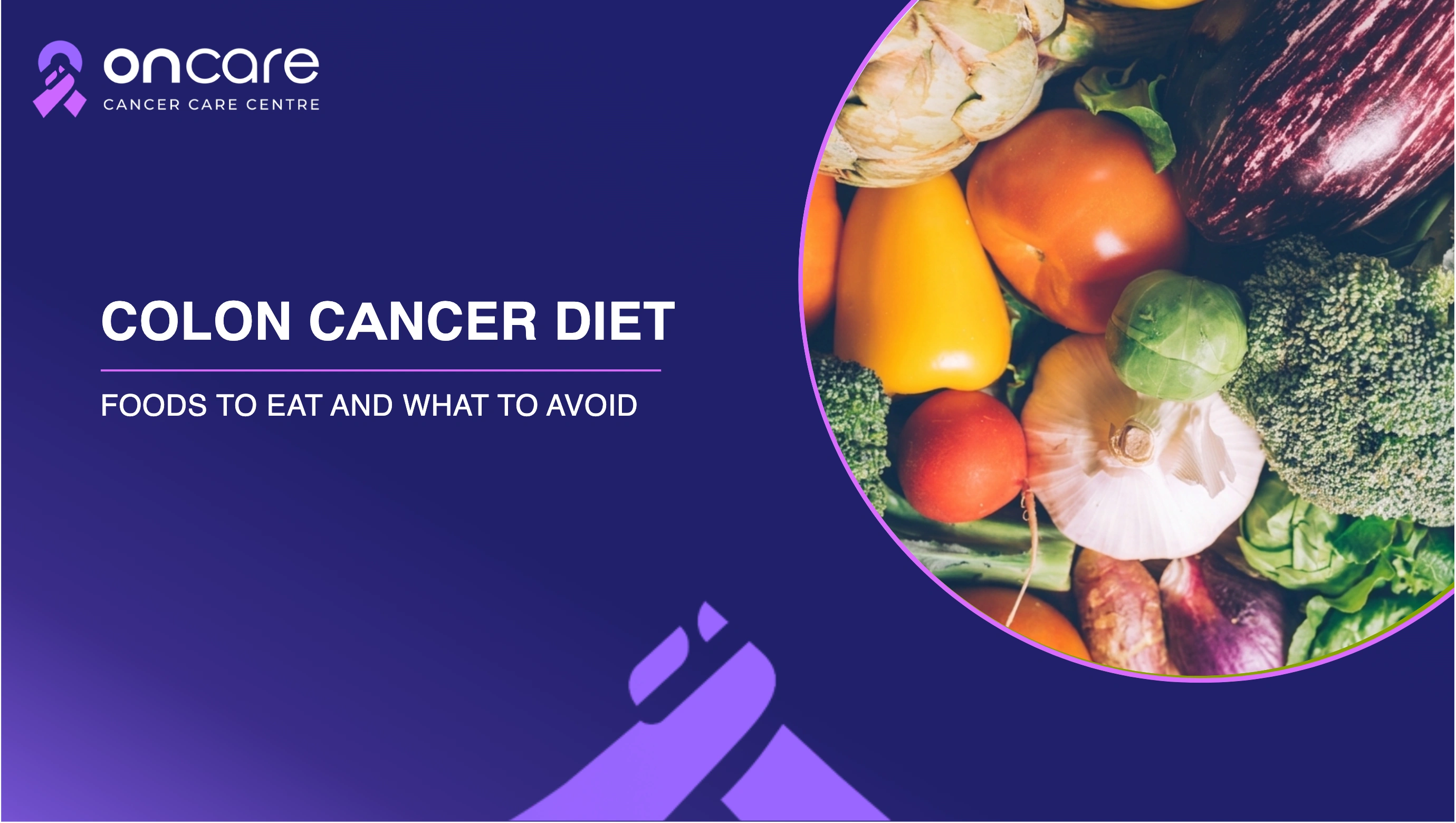
The first thing that springs to mind when someone hears the words "colon cancer" is, "What should I eat now?" Food is no longer only a regular habit. It becomes a part of getting better, getting stronger, and getting back to normal. A lot of patients and their families don't know what is safe and what they should stay away from. That is why it is very important to know which foods to eat and which to avoid if you have colon cancer.
A good diet won't cure cancer on its own, but it can help the body while it's being treated. Eating the correct meals can boost your energy, aid your digestion, lower side effects, and boost your immune system. In this post to explain what a colon cancer diet foods to eat and avoid plan should look like, so that anyone can comprehend it.
Why Diet Matters When You Have Colon Cancer
Colon cancer affects the large intestine, which is an important part of digestion. When someone is diagnosed, their digestive system might already be sensitive. Surgery, chemotherapy, and radiation are some treatments that can also change how hungry you feel and how often you go to the bathroom.
That's why it's very important to choose the appropriate colon cancer diet foods to eat and avoid. Eating right can help the body heal faster, keep its weight steady, and make it less feeble. It can also help you avoid constipation, diarrhea, and pain.
How Food Helps You Get Better
To fix tissues and combat infections, the body needs nutrition. Protein helps cells grow back. Vitamins and minerals make the immune system stronger. Carbohydrates that are good for you provide you with energy. You won't get dehydrated if you drink enough fluids.
Following a colon cancer diet foods to eat and avoid plan gives your body the energy it needs to tolerate treatment effectively. Even tiny modifications to a person's diet can have a major effect on how they feel.
What Fiber Does
Fiber is good for your colon. It helps transport waste through the intestines and keeps the bowels moving regularly. But doctors may prescribe a low-fiber diet for a brief time during some treatments or shortly after surgery to help the body recuperate.
Adding good fiber progressively might help the body recover after the digestive system is stable. Fruits, vegetables, and whole grains are all healthy sources. One of the most important things to do when managing colon cancer diet foods to eat and avoid is to control your fiber intake.
Why Staying Hydrated Is Important
Water is very important for digestion and wellness in general. Some therapies for colon cancer can make you throw up or have diarrhea, which can make you dehydrated. Drinking enough water, coconut water, or clear soups helps keep the body in balance.
People often forget to drink enough water, but it's an important element of a healthy colon cancer diet, foods to eat, and avoid.
Eating Small Meals Often
You could feel heavy and uncomfortable after eating a lot. Eating smaller meals more often can help your body digest food better. Light meals might also assist with nausea and give you more energy.
This little habit might make you more comfortable and make it simpler to stick to the colon cancer diet foods to eat and avoid plan.
Colon Cancer Diet Foods to Eat and Avoid
Knowing colon cancer diet foods to eat and avoid will help clear up any confusion. Some meals help the body heal, while others may make the digestive tract upset or make inflammation worse.
Foods That Are Good for You
Fresh fruits and veggies are great for you since they provide vitamins, antioxidants, and fiber. It is simpler to digest soft foods like bananas, apples without skin, and papaya. Carrots, pumpkin, and spinach that have been cooked are easy on the stomach.
When your body can handle fiber well, you can eat whole grains like brown rice and oats. Eggs, fish, poultry, lentils, and tofu are all lean proteins that help repair bodily tissues. Probiotic yogurt can help your gut and digestion.
Nuts, seeds, and olive oil are all good sources of healthy fats that are good for your health. These foods are the basis for colon cancer diet foods to eat and avoid suggestions.
Foods to Cut Back On or Stay Away From
You should stay away from processed meats like bacon, salami, and sausages since they may increase your risk of colon cancer. You should also eat less red meat.
Foods that are fried and have a lot of oil might upset the stomach and make you feel bad. You should eat fewer sugary snacks and drink less soda because they don't give you much nourishment and may make inflammation worse.
Some patients may have stomach problems after eating very spicy foods. Avoid drinking alcohol totally, especially while you're getting therapy.
Following the appropriate colon cancer diet foods to eat and avoid plan means staying away from these things.
While Getting Chemotherapy
Chemotherapy can make you feel sick, give you ulcers in your mouth, and change the way things taste. It's easy to eat soft and mild dishes. Soups, smoothies, plain rice, and boiled veggies are all good options.
If you're feeling sick, cold foods could be better than hot ones. Avoiding strong scents and heavy spices will help you feel better. It is easier to eat when you change the colon cancer diet foods to eat and avoid during therapy.
After the Operation
The digestive system needs time to recuperate after colon surgery. At first, doctors may tell you to eat less fiber. People generally recommend soft foods like mashed potatoes, yogurt, white rice, and well-cooked veggies.
As the doctor says, fiber can be slowly added back in. Following your doctor's advice closely makes sure that the colon cancer diet foods to eat and avoid plan helps you recuperate effectively.
Things You Do Every Day That Help You Eat Well
Food is not the only part of a diet. Some routines can help digestion and recuperation.
Chewing food well and eating slowly both improve digestion. Walking and other light exercise can help your bowels move and minimize bloating. Meditation or relaxation techniques can help with stress, which is also good for your digestive health.
Sleep is just as vital. A body that gets enough sleep heals faster and responds better to treatment. When you combine these behaviors with a pattern of colon cancer diet foods to eat and avoid, you get better results overall.
Consult Today
Food is a very important part of healing. The appropriate colon cancer diet foods to eat and avoid can help you get better, lessen side effects, and make you stronger, but they can't take the place of medical treatment. Eating meals that are fresh, simple, and healthy helps the body fight off illness and heal. If you want to keep your digestive tract healthy, stay away from processed meats, fried foods, alcohol, and too much sugar.
Always do what your doctor says about food and therapy if you or a loved one has colon cancer. For expert advice, cutting-edge treatment choices, and caring cancer care, Oncare Cancer Hospital offers specialist assistance and modern facilities to accompany patients through every step of their journey. Choosing the right care center can have a big impact on how well you recover.
Frequently Asked Questions
It is best to eat fresh fruits, cooked vegetables, whole grains, lean protein, and drink a lot of water.
Yes, you should limit or avoid red and processed meats because they are connected to an increased risk of colon cancer.
Initially, fiber may be limited, but the doctor will tell you to slowly add it back in.
No, you shouldn't drink alcohol while you're getting therapy to preserve your stomach and your health in general.
Book an Appointment
Related Blogs
Cancer and Diet in Indian Cuisine: Traditional Foods That Support Recovery
Explore cancer and diet in Indian cuisine and learn how traditional Indian foods support recovery. Consult Oncare Cancer Hospital today for expert cancer care.
Diet for Liver Cancer Patients
Learn about the best diet for liver cancer patients, including healthy foods to eat, foods to avoid, managing appetite during treatment, and how proper nutrition supports recovery and strength.

Best Diet Plan for Breast Cancer Patients: Boost Immunity and Energy
Discover more about the best diet plan for breast cancer patients and how it improves patients immunity and energy levels and key nutrients for breast cancer patients!
Dietary Tips to Help Manage Nausea During Cancer Treatment
Discover more about dietary tips to help manage nausea during cancer treatment and how to deal with cancer symptoms and treatment side effects effectively.