Table of Contents
How to Manage Cancer Treatment Side Effects?

By Prashant Baghel


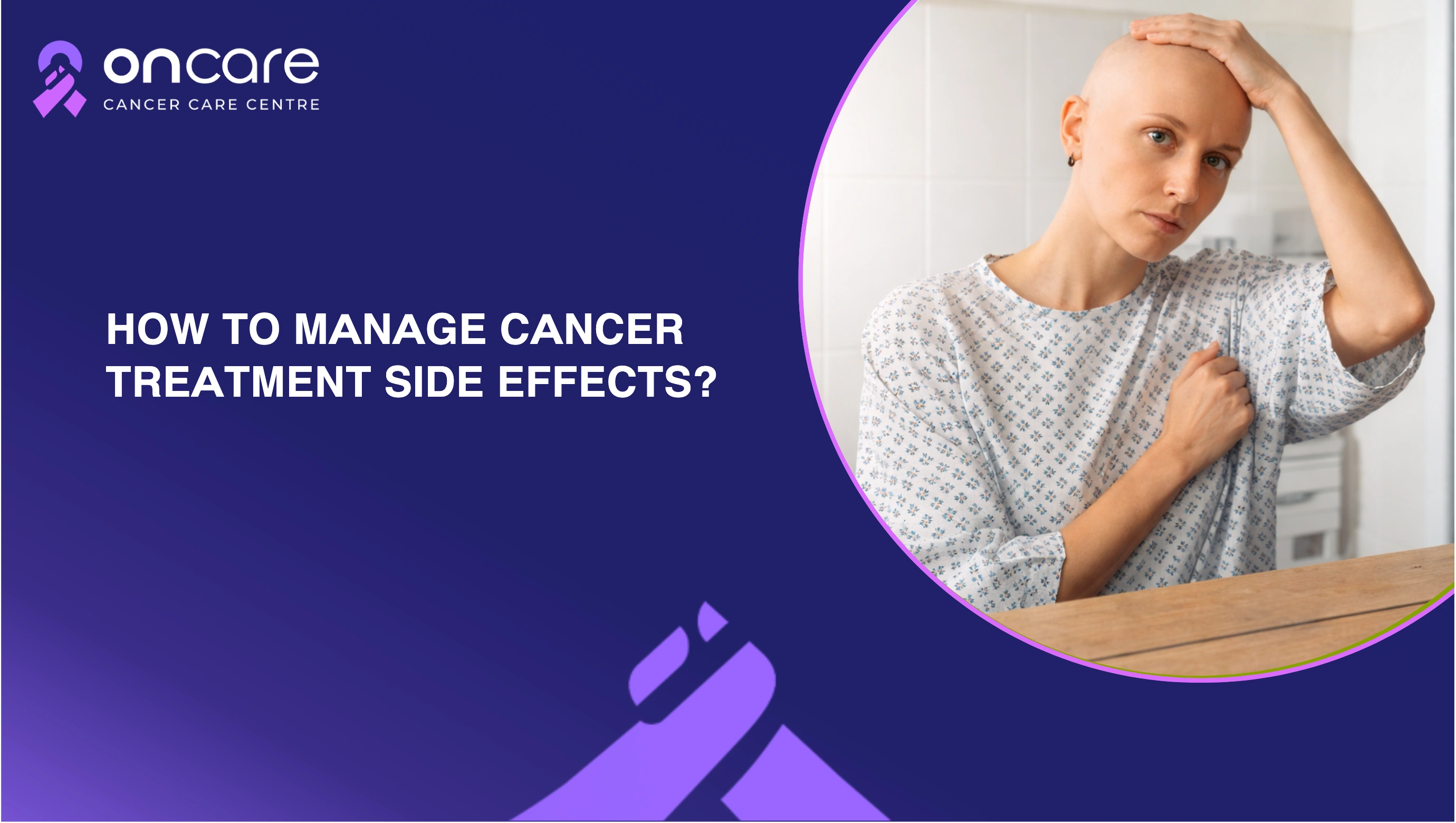
Cancer therapy can save lives, but it can also make things different in ways that are unpleasant and painful. A lot of people believe that the side effects of the treatment are often worse than the treatment itself. It might be hard to get through the day when you're always exhausted, losing hair, feeling sick to your stomach, or in pain. You might be wondering how to manage cancer treatment side effects safely and easily if you or a loved one is going through this.
The good news is that you can usually manage cancer treatment side effects. These days, doctors know a lot more about how to make therapy less painful and increase the quality of life. You can feel stronger and more in control if you get the correct care, support and make minor changes to your life. In this article, we'll use very simple, pleasant language to describe how to manage cancer treatment side effects and when to ask for support.
Knowing How to Manage Cancer Treatment Side Effects
Chemotherapy, radiation therapy, immunotherapy, and surgery are all types of cancer treatments that work by attacking cancer cells. But they can also harm healthy cells in the body. This is why side effects happen. The kind and severity of side effects vary on the kind of cancer, the treatment employed, and the patient's general condition.
Some people have modest side effects, while others may have greater ones. Keep in mind that everyone is unique. The first step to appropriately manage cancer treatment side effects is to talk to your doctor about how you feel. Taking care of things early might stop tiny problems from getting worse.
Dealing with Tiredness and Weakness
Extreme fatigue is one of the most common adverse effects of cancer treatment. This weariness isn't normal; it won't go away with sleep. People with cancer-related fatigue may feel that even ordinary chores are hard and difficult.
When your body tells you to relax, do it to help manage cancer treatment side effects including tiredness. Napping throughout the day can assist, but don't sleep too long during the day. Slow walking or light stretching are examples of gentle activities that might boost your energy. Eating modest, balanced meals and drinking enough water also helps you get stronger.
Family members can aid by doing daily duties for the patient so they can save energy for more essential things. Doctors may look for other causes of weariness, like a low blood count or a lack of vitamins, if it gets bad enough.
Nausea and Loss of Appetite
Nausea, vomiting, or loss of appetite are common side effects of several cancer treatments. This can make you weak and cause you to lose weight. It's very vital to learn how to manage cancer treatment side effects that affect digestion.
Doctors regularly give patients drugs to help with nausea. Following the instructions for these drugs exactly can make a great impact. Instead of eating big meals, you might find it easier to eat little meals throughout the day. People frequently do better with soft foods, soups, grains, fruits, and simple meals made at home.
If strong scents or particularly greasy or spicy meals make you feel sick, stay away from them. Drinking clear liquids like water, coconut water, or light soups can help keep you from being dehydrated. Tell your doctor right away if you keep throwing up or can't eat at all.
Changes in Skin and Hair Loss
Losing hair can be hard on your emotions. It is a visible sign of treatment, and it could make you feel less confident. After treatment, hair normally grows back, but patients may feel uncomfortable during this period.
Some people cut their hair short before it starts to fall out to manage cancer treatment side effects. Some people use scarves, caps, or wigs. It is crucial to keep the scalp out of direct sunshine.
It is also usual for the skin to become dry, red, or sensitive. Use soap that isn't too strong and moisturizers that aren't too strong. Don't put harsh chemicals or hot water on your skin. Talk to your doctor about the best treatments to use if you have itching or a rash.
Pain and Emotional Stress
Cancer can cause pain, or treatment can cause pain as a side effect. Don't ignore suffering or think you have to deal with it. Doctors can change your medications to make you feel better. There are a lot of safe ways to relieve pain these days.
Another big problem is emotional stress. People with cancer often feel scared, depressed, and anxious. It's very normal to feel this way. Talking to family members, joining support groups, or seeing a counselor can help you feel better emotionally.
Deep breathing, prayer, meditation, or listening to quiet music are all simple ways to relax that can also help your mental health. Taking care of your emotions is equally important as taking care of your physical ailments.
Why It's Important to Talk to Your Doctor Often
Communication is highly vital to properly manage cancer treatment side effects. Always tell your doctor about any new symptoms, no matter how little they may seem. Taking action early helps prevent problems from getting worse.
Every day, write down how you feel in a tiny notepad. Take note of any pain, fever, bleeding, or rapid changes. Tell people this when you visit the hospital. This helps doctors change the treatment if they need to.
Never stop or change your prescriptions without talking to your doctor first. Always do what your doctor says. A lot depends on the patient and the medical staff trusting each other for safe and effective treatment.
Living a Healthy Life While Getting Cancer Treatment
A healthy lifestyle helps the body recuperate throughout treatment and supports efforts to manage cancer treatment side effects. Small changes in your daily routine can have a major effect on how you feel.
Eating meals that are balanced and include fruits, vegetables, proteins, and whole grains helps the body heal. Drinking adequate water stops the body from getting dehydrated. Light exercise makes you feel better and stronger.
You also need to get enough sleep. Every day, try to go to bed at the same time. Make sure your room is quiet and comfy. Don't spend too much time in front of a screen before bed.
Also, it's important to stay clear of infections because cancer therapy might impair the immune system. If your doctor tells you to, wash your hands often and stay away from busy locations.
Taking care of your whole body, not just the symptoms, is part of learning how to manage cancer treatment side effects.
When to Get Medical Help Right Away
Some side effects can be dealt with at home, but others need to be treated right away. You should never overlook a high temperature, severe vomiting, trouble breathing, heavy bleeding, or sudden acute pain.
If you have any significant symptoms, call your doctor or go to the hospital right away. Getting medical help quickly can prevent dangerous problems from happening.
Consult Today
Fighting cancer is only part of the treatment. It's also about keeping your dignity and comfort on the way. Patients feel more at ease and less scared when they know how to manage cancer treatment side effects.
Every patient should get care that is kind, straightforward, and professional. If you or a loved one is getting treatment and having trouble with side effects, getting advice from a specialist can make things easier.
Oncare Cancer Hospital has innovative treatments, competent doctors, and compassionate staff to help patients manage cancer treatment side effects in a safe and effective way. You can approach treatment with fortitude and hope if you have the correct medical team.
Frequently Asked Questions
Most side effects go away after treatment, but some people may need more time to get better.
Doctors can make them less severe with the right drugs and care, but not always.
Yes, always let your doctor know. Getting treated early can stop greater problems from happening.
No, side effects differ across individuals based on the type of treatment and their overall health.
Book an Appointment
Related Blogs
Immunotherapy vs Radiation Therapy: Side Effects, Cost & Results
Compare immunotherapy vs radiation side effects, costs, and results. Oncare Cancer Hospital offers advanced cancer care for better treatment outcomes.
1st Chemo Treatment Side Effects You Must Know Before Starting
Learn about 1st chemo treatment side effects like tiredness, nausea, hair loss, and mouth sores. Stay prepared and manage symptoms with expert care guidance.
PET Scan Side Effects: What Happens After the Test?
Learn about PET scan side effects, what happens after the test, and how you may feel afterward. A simple, clear guide to help you stay calm and prepared.
How Chemotherapy Works: Process, Side Effects & Recovery Tips
Discover more about chemotherapy and how these treatments work, types of chemo drugs and its administration of chemo drugs, common side effects, and recovery tips!