Table of Contents
Cancer Treatment Roadmap: A Step-by-Step Care Guide

By Prashant Baghel


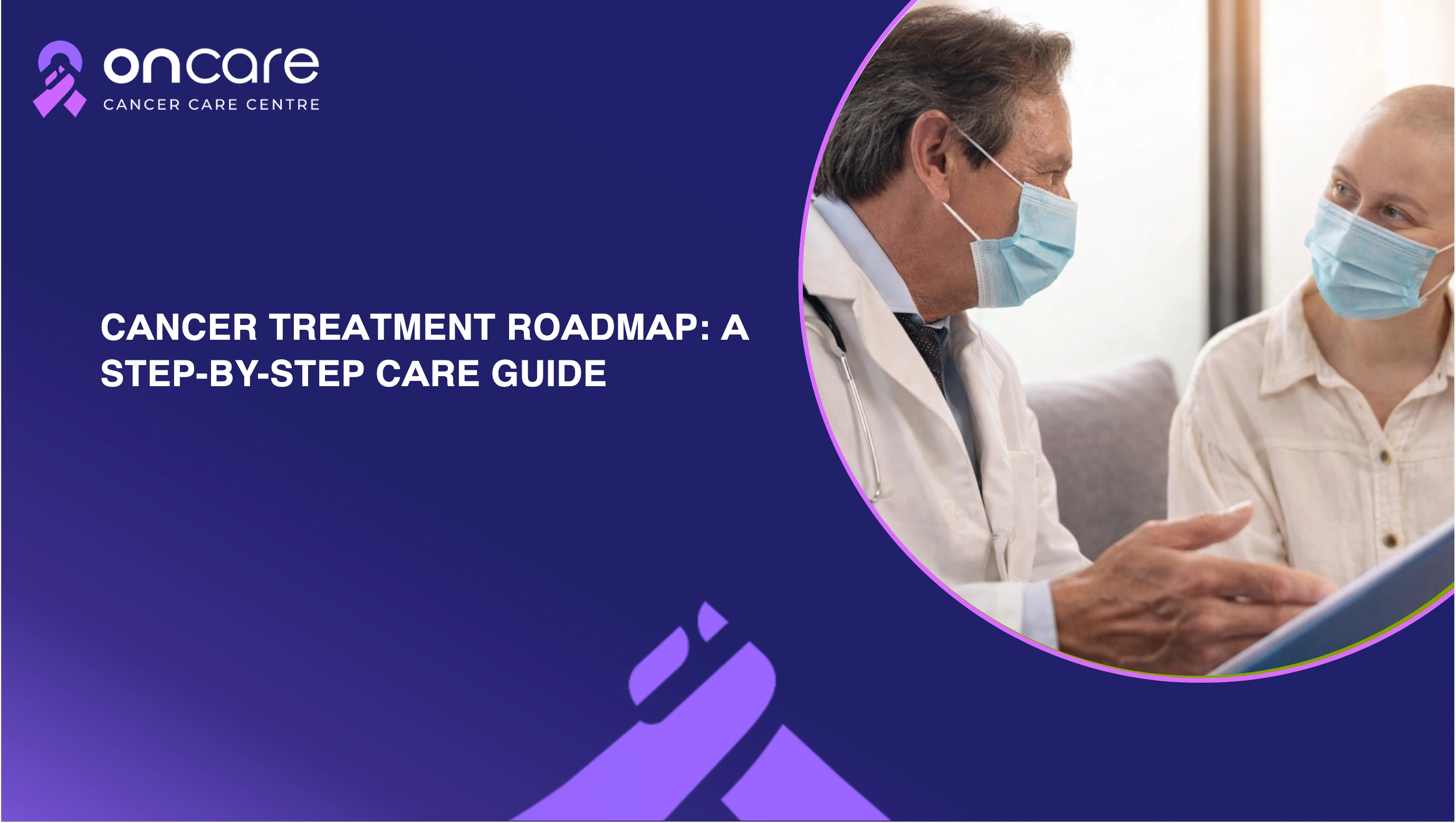
When you hear the word "cancer," it can feel like you're at the beginning of a long, scary road. You might not know what will happen next, which can make you feel confused and scared. You have to go to the doctor, get tests, get treatment, and make a lot of choices. What most patients and their families want right now is to know what's going on. They want to know what the plan is. They need guidance. This is when the cancer treatment roadmap really comes in handy.
A cancer treatment roadmap is like a map that shows you the steps you need to take to get better. It helps you know what to expect from the time you get diagnosed until you get better or need long-term care. You feel more ready and less scared when you know what lies ahead, even if it isn't easy.
We will use very simple and friendly language to explain the cancer treatment roadmap in this article. You'll find out what it is, why it's important, and how it helps patients and their families feel more at ease during treatment.
Getting to Know the Cancer Treatment Roadmap
After a cancer diagnosis, doctors make a clear cancer treatment roadmap for how to treat the cancer. This cancer treatment roadmap tells you what kind of cancer you have, what stage it is in, what treatments are available, and when they will happen. It also includes care and monitoring after treatment as part of the cancer treatment roadmap.
The cancer treatment roadmap for each person's cancer is different. It depends on the kind of cancer, how far along it is, the patient's age, health, and needs. No two cancer treatment roadmap plans are the same because each person's body and situation are different.
The cancer treatment roadmap is meant to make things less confusing. Patients feel more in control when they understand their cancer treatment roadmap and know what will happen next. It helps families get ready mentally, physically, and financially.
A clear cancer treatment roadmap also helps the patient and the medical team talk to each other better. Everyone knows what to do next and why it's important in the cancer treatment roadmap.
Why the Cancer Treatment Roadmap Is Important
There are a lot of questions when someone finds out they have cancer. What kind of treatment do I need? How long will it last? What are the effects on the side? What happens after the treatment is over?
The cancer treatment roadmap gives answers to these questions one step at a time. Instead of not knowing what to do, the cancer treatment roadmap gives patients a structured plan. Even though cancer treatment can still be hard, having a clear cancer treatment roadmap makes it easier to follow.
The cancer treatment roadmap also helps patients choose wisely. Doctors talk about the pros and cons of each treatment option within the cancer treatment roadmap. Patients can ask questions and find out why certain treatments are suggested as part of their cancer treatment roadmap.
Another important reason why the cancer treatment roadmap is important is that it makes people feel better. Knowing what's going to happen next in the cancer treatment roadmap makes you less afraid of the unknown. It helps patients and their families not feel overwhelmed by focusing on one thing at a time in the cancer treatment roadmap.
A Plan for Treating Cancer
Most of the time, the cancer treatment roadmap starts right after the diagnosis. The cancer treatment roadmap goes on during treatment and even after treatment is over. It includes medical care, emotional support, and follow-up care for a long time within the cancer treatment roadmap.
Most cancer treatment roadmap plans have similar steps that help the patient along the way, even though each cancer treatment roadmap is different.
Diagnosis and Staging in the Cancer Treatment Roadmap
Finding out if someone has cancer is the first step in the cancer treatment roadmap. To find out what kind of cancer a person has, doctors do tests like blood tests, scans, and biopsies as part of the cancer treatment roadmap.
Staging is done after the diagnosis in the cancer treatment roadmap. Staging shows how far the cancer has gone. This is very important because the stage affects how the disease is treated in the cancer treatment roadmap.
Doctors collect all the information they need at this point in the cancer treatment roadmap. Patients may see different kinds of doctors, like oncologists, surgeons, or radiologists. This step lays the groundwork for the cancer treatment roadmap.
Making the Plan for Treatment
After figuring out what kind of cancer it is and how far along it is, doctors make a cancer treatment roadmap plan for treatment. This is the most important part of the cancer treatment roadmap.
Surgery, chemotherapy, radiation therapy, targeted therapy, immunotherapy, or a mix of these may be part of the cancer treatment roadmap. The order and timing are well thought out in the cancer treatment roadmap.
Doctors also think about the patient's health, way of life, and what they want while creating the cancer treatment roadmap. Patients are told to ask questions and learn about their choices in the cancer treatment roadmap.
The cancer treatment roadmap for treatment isn't set in stone. It can change if necessary, depending on how the body reacts to the cancer treatment roadmap.
The Active Treatment Phase
The active treatment phase is when the main treatments in the cancer treatment roadmap happen. This is usually the longest and hardest part of the cancer treatment roadmap.
Patients may feel tired, nauseous, lose hair, or have changes in their appetite during this time in the cancer treatment roadmap. The medical team keeps a close eye on progress and changes the cancer treatment roadmap if necessary.
Doctors can tell how well the cancer treatment roadmap is working by doing regular tests and check-ups. During this time, emotional support is also very important in the cancer treatment roadmap. Patients can stay strong with the help of counseling and support groups as part of the cancer treatment roadmap.
The cancer treatment roadmap tells patients when their treatments will start, how long they will last, and what they can expect at each step in the cancer treatment roadmap.
Care After Recovery and Follow-Up
The cancer treatment roadmap doesn't stop when the active treatment is over. Recovery and follow-up care are very important parts of the cancer treatment roadmap process.
Doctors set up regular follow-up visits after treatment as part of the cancer treatment roadmap. These visits check to see if the cancer has come back and take care of any long-term side effects within the cancer treatment roadmap.
Some patients may need help getting better, like physical therapy or nutritional support, as included in the cancer treatment roadmap. It's also important to heal emotionally at this time in the cancer treatment roadmap.
Patients can slowly get back to their normal lives with follow-up care in the cancer treatment roadmap, but they should keep an eye on any changes in their health. The cancer treatment roadmap goes on even after the main treatment is over.
The Roadmap Gives Emotional and Practical Help
The cancer treatment roadmap has more than just medical procedures. The cancer treatment roadmap also offers emotional and practical help.
The whole family is affected by cancer. Patients might feel scared, worried, or sad during the cancer treatment roadmap. Family members may also be under a lot of stress during the cancer treatment process. As part of the cancer treatment roadmap, many hospitals offer counseling, help with money, and support groups.
You can also get help with nutrition, pain management, and palliative care in the cancer treatment roadmap. These services make life better while you're getting treatment through the cancer treatment roadmap.
A full cancer treatment roadmap looks at the whole person, not just the disease.
How Patients Can Use the Roadmap for Cancer Treatment
Patients should be involved in making their cancer treatment roadmap. Have a notebook for questions about your cancer treatment roadmap. Write down important dates and information about your cancer treatment roadmap. Bring a family member with you to appointments to help you understand your cancer treatment roadmap.
Patients feel less lost when they know their cancer treatment roadmap. It lets them get ready for each step in their mind and in real life through the cancer treatment roadmap.
It's also important to talk to the medical team openly about the cancer treatment roadmap. If you don't understand something in your cancer treatment roadmap, ask for an explanation. Doctors are there to help you at every step of the cancer treatment roadmap.
Keep in mind that the cancer treatment roadmap is not a race. The cancer treatment roadmap is a trip. It becomes easier to handle when you take it one step at a time in your cancer treatment roadmap.
In Conclusion
The cancer treatment roadmap is a clear and organized plan that helps patients get from diagnosis to treatment and then to recovery. The cancer treatment roadmap clears up confusion, answers questions, and gives you a sense of direction when things are tough.
The road may not be easy, but having a cancer treatment roadmap makes it less scary. It helps patients and their families get ready, stay up to date, and focus on the next step in their cancer treatment roadmap.
Picking the right hospital is a very important step in making a strong cancer treatment roadmap. For advanced care, experienced specialists, and caring support throughout your cancer treatment roadmap, consider Oncare Cancer Hospital for the best treatment. With the right team, you can get through every step of your cancer treatment roadmap with care and confidence.
Frequently Asked Questions
A cancer treatment roadmap is a plan that shows a cancer patient's diagnosis, treatment, recovery, and follow-up care in steps.
No, each cancer treatment roadmap is unique. The type and stage of cancer and the patient's overall health will determine this.
Yes, the cancer treatment roadmap can change if the patient doesn't respond to treatment or if new options become available.
Follow-up care in the cancer treatment roadmap helps keep an eye on recovery, deal with side effects, and look for any signs that cancer may come back.
Book an Appointment
Related Blogs
Managing Anxiety and Depression During Cancer Treatment
Learn how to manage anxiety and depression during cancer treatment. Practical tips, emotional support, and professional care to protect mental health and well-being.
How Indian Families Support Loved Ones During Cancer Treatment
Learn how family support during cancer treatment helps patients stay strong emotionally, mentally, and physically. Discover the importance of care and unity.
Colon Cancer Treatment Cost in India: A Complete Price Breakdown
Looking for colon cancer treatment cost in India? Learn about surgery, immunotherapy costs, factors affecting price, insurance options, and treatment planning.
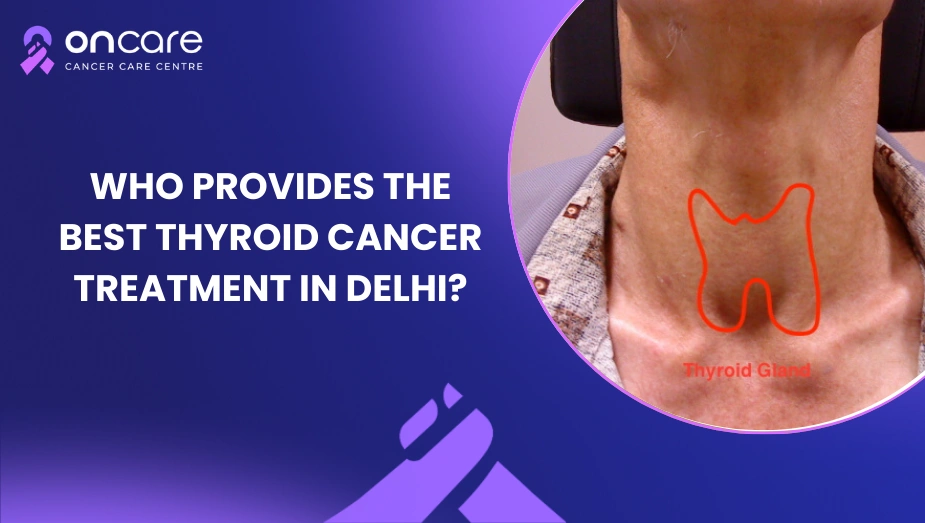
Who Provides the Best Thyroid Cancer Treatment in Delhi?
Looking for the best thyroid cancer treatment in Delhi? Learn about top treatment options, expert care, and how to choose the right specialist. Consult Oncare.