Table of Contents
Cancer Treatment During Winter Smog: Risks, Precautions, and Medical Advice

By Prashant Baghel


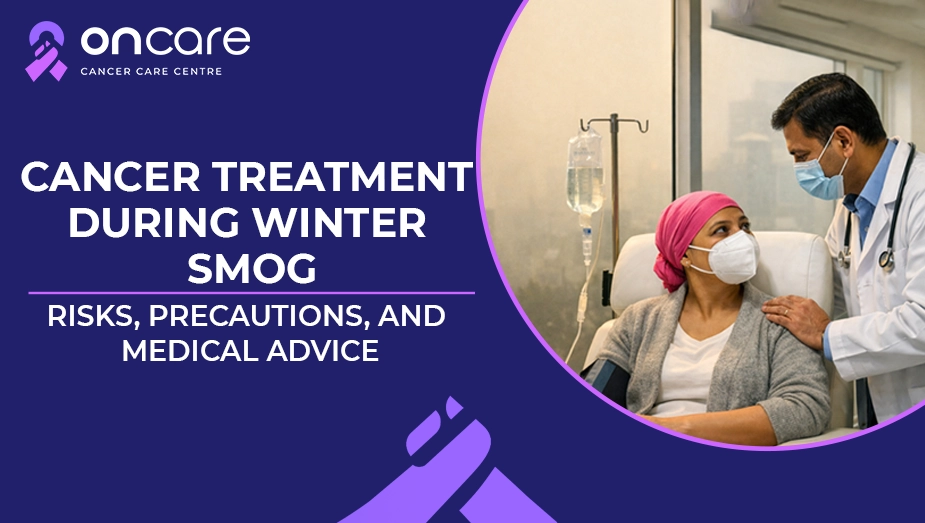
Winter is generally associated with cooler weather, holidays, and time spent inside. In many parts of the world, winter also brings serious environmental issues such as smog. The combination of increased pollution, temperature inversion, reduced wind flow, and emissions from vehicles, industries, and burning fuels often leads to poor air quality that can linger for weeks and months. For patients undergoing cancer treatment, winter smog is more than just an inconvenience; it's adding more health issues. Cancer treatments are already putting stress on the patients' bodies, and an exposure to polluted air can increase the health concerns.
In this article, we’ll discover more about protecting health during smog and understanding these risks and taking appropriate precautions to help patients continue their treatment safely.
Understanding why winter smog is harmful
Smog is a mixture of air pollutants such as fine particulate matter (PM 2.5 and PM 10), which includes carbon monoxide, nitrogen oxides, sulfur dioxide, and also ozone. These particles are small enough to enter the lungs and, in some cases, pass into the bloodstream as well.
During the winter, cold air tends to trap these types of fine particles close to the ground and prevents them from further dispersing. During winter, especially in Indian states like Delhi and Punjab, the air quality can tend to remain poor for an extended period of time.
For many cancer patients, their immune systems and organs may already be compromised due to prolonged treatment exposure, which can have serious health consequences.
Why cancer patients are more vulnerable during winter period
Cancer treatments such as chemotherapy, radiation therapy, targeted therapy, and immunotherapy are designed to destroy cancer cells and can also affect the healthy cells. Many cancer treatments tend to weaken the immune system, which makes it harder for the body to defend itself against the infection and environmental factors.
Some treatments can also affect the organs of patients, such as the lungs and heart, and affect overall stamina. For cancer patients, these treatments can affect their lungs, chest, and blood, especially when the patient is sensitive to this air pollution. Even cancer patients without lung-related cancers might experience worsened side effects due to the smog exposure.
Risks of winter smog during cancer treatment
There are some health issues and risks that develop during winter due to smog, and patients undergoing cancer treatment might experience these risks, including:
Respiratory issues
Patients who get in contact with polluted air can disturb the airways and lungs, often leading to symptoms such as coughing, wheezing, throat irritation, chest tightness, and shortness of breath. For patients, who are experiencing radiation to the chest or lungs, these symptoms can get more severe.
Smog can also worsen the existing respiratory conditions such as asthma, chronic conditions, or treatment-related lung inflammation.
An increased risk of infections
Cancer treatments often lower the white blood cell counts, reducing the body’s ability to fight off infections. Smog can damage the patient’s protective lining of the respiratory tract, making it quite easier for both bacteria and viruses to cause infections such as colds, flu, or pneumonia.
Respiratory infections during cancer treatment can be serious and might lead to treatment delays or hospitalization if not addressed immediately.
Increased fatigue and weakness
Fatigue is considered as one of the common side effects of cancer treatment. Poor air quality can further reduce oxygen levels in the body and increase inflammation, leading to greater tiredness and headaches, also difficulty in focusing.
Cardiovascular strain
Certain air pollutants can increase the blood pressure and place extra stress on the heart. This is especially important for cancer patients receiving treatments that affect heart function or those with a history of heart issues.
What are the practical precautions used to reduce the smog exposure
Limit outdoor activities
Staying indoors during days with poor air quality is one of the most effective ways to reduce exposure. Patients should minimize outdoor activities, especially during early mornings and late evenings when pollution levels tend to be the highest.
Use protective masks
When going outside is unavoidable, wear a well fitted N-95 mask to filter and avoid the fine particulate matter. These masks can offer better protection than surgical masks when it compares to protecting their mask.
Improve indoor air quality
Indoor air quality can also become polluted if outdoor smog enters the home. Keeping indoors and doors closed during high-pollution can help the patients. Avoiding indoor pollutants such as smoking, license, and strong chemicals is equally important.
Stay hydrated and maintain good food nutrition
Drinking enough water helps to keep the airways moist and support the body’s natural defense mechanisms. Patients with proper hydration can also help to manage treatment-related side effects.
Follow cancer treatment and medication plans carefully
Cancer treatments should never be skipped or stopped without consulting your medical team. Patients should continue to take medications exactly as prescribed by their oncology team and try to attend all the follow-up and scheduled appointments.
If you are experiencing any new symptoms, especially those related to breathing issues or fatigue, they should be reported immediately, without any delay.
Emotional and mental health during smoggy winters
Many studies suggest that staying outside for an extended period while undergoing cancer treatments can affect mental health. Cancer patients often feel isolated, stressed, and frustrated during the smoggy conditions.
Staying connected to family, friends, and cancer support groups, either in person or virtually, can help to heal both emotionally and mentally. Practicing relaxation techniques, light indoor activities, and maintaining a routine can also support emotional well-being.
When to consult a doctor
Cancer patients should consult a healthcare provider immediately if you start to experience symptoms such as:
- Constant or worsening shortness of breath
- Chronic cough
- Chest pain
- Fever, chills, and a signs of infection
- Extreme fatigue, dizziness and confusion
As we all know, getting immediate medical attention can prevent further health complications and help to ensure cancer treatment continues safely.
Consult Today
Winter smog presents an added challenge for patients undergoing cancer treatments, but it does not have to change your care or recovery. Always be aware of the risks combined with some practical precautions and timely medical guidance, and can significantly reduce the impact of poor air quality and smog.
At Oncare, we offer premium-quality cancer treatments, including advanced cancer surgeries, at an affordable price range with an experienced cancer specialist consultation.
If you or any loved ones of yours are diagnosed with cancer, then visit Oncare Cancer Center and book an appointment with our experienced cancer specialist today. Get an estimated cost of your cancer treatments today!
Frequently Asked Questions
These are some of the risk happens to cancer patients during winter smog, including:
- Increased cardiopulmonary mortality
- Respiratory complications
- Compromised treatment outcomes
- Hypothermia and frostbite
Always monitor quality, limit the outdoor air quality and improve air quality and protective masks.
Always consult your medical team and seek a timely help from your oncologists.
Book an Appointment
Related Blogs
Mouth Cancer Treatment Options: From Surgery to Immunotherapy
Discover more about mouth cancer treatment options and common symptoms, early detection and cancer preventive measures and lifestyle tips during cancer treatments!
What Types of Cancer Treatments Are Available at Oncare Cancer Centre?
Discover the types of cancer treatment at Oncare Cancer Centre, including surgery, chemotherapy, immunotherapy, targeted therapy, and full support for every patient.
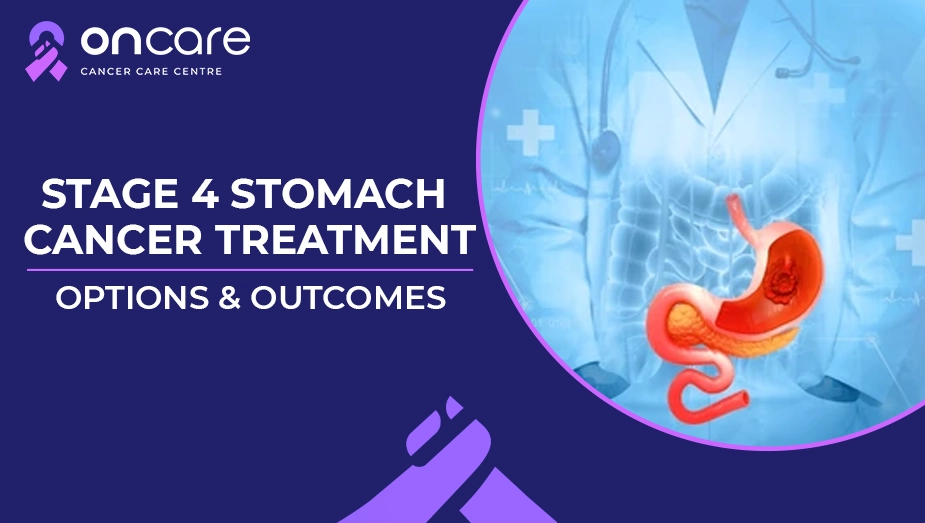
Stage 4 Stomach Cancer Treatment: Options & Outcomes
Learn about stage 4 stomach cancer treatment, including chemotherapy, targeted therapy, immunotherapy, radiation, surgery for symptoms, and supportive care to improve comfort.
Stomach Cancer Treatment Cost in India: Affordable Options
Discover the stomach cancer treatment cost in India, factors affecting pricing, treatment options, and why India offers high-quality yet affordable cancer care.