Table of Contents
Cancer Screening Blood Test: Can It Detect Cancer Early?

By Prashant Baghel


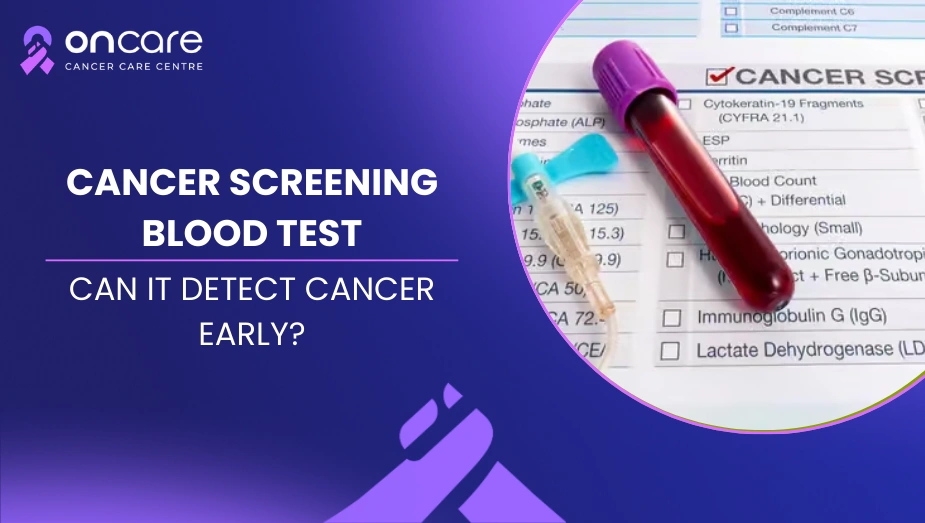
What if a simple blood test for cancer could tell you if you have it before you even feel sick? A lot of people think this idea is good. When we have symptoms, we usually only think about cancer. But by that time, the disease may have already moved on to a later stage. That's why it's so important to find things early. A blood test for cancer screening is getting more attention because it might help find cancer early.
Cancer is one of the most common health problems in the world. Doctors have always used scans, biopsies, and physical exams to find it. Researchers are now looking into a blood test that can find cancer cells or signs of cancer early on. We'll talk about how these blood tests work and whether they are useful for men and women in this article.
What is a blood test for cancer screening?
A blood test for cancer looks for certain things in your blood that could mean you have cancer. Cancer cells release these proteins, small pieces of DNA, or tumor markers into the blood.
This test is not the same as tests that are done after symptoms show up. People who feel fine and healthy get a blood test to check for cancer. The goal is to catch cancer early, before it spreads.
Blood tests can't find every kind of cancer. Some blood tests for cancer screening aren't accurate enough to be used on their own. That's why doctors still use imaging tests and other methods to double-check results.
How Does a Blood Test for Cancer Work?
Blood tests for cancer look for small changes in the body that could mean cancer is present. These tests look for certain biological signals, like proteins or DNA fragments, that cancer cells send into the blood. Doctors can get an early warning that something might be wrong by looking at these markers, even before symptoms show up.
Tumor Markers and DNA Fragments
A cancer screening blood test looks for unusual substances in the blood. Sometimes, cancer cells release proteins or fragments of DNA. These can be measured in a lab.
Some blood tests check for tumor markers like PSA for prostate cancer or CA-125 for ovarian cancer. Doctors may suggest more tests if the levels are high after a cancer screening blood test.
Accuracy Considerations
A high result doesn’t always mean cancer. Other health problems can also affect these levels. That is why scans or biopsies are usually performed after a cancer screening blood test to confirm findings.
Colorectal Cancer Screening Blood Test
A blood test for colorectal cancer checks for symptoms of cancer in the colon or rectum. Colonoscopy and stool testing are the most popular ways to find colorectal cancer. Researchers are also looking into blood tests.
Some novel blood tests for colorectal cancer screening seek DNA abnormalities in the blood that could be generated by tumors in the colon or rectum. These tests are less intrusive than colonoscopy, although they might not totally replace it because colonoscopy can also remove polyps.
People who are afraid or don't want to get a colonoscopy might utilize this test instead. Based on the person's age, family history, and other risk factors, doctors determine the optimum test.
Blood Tests for Women to See if They Have Cancer
Blood tests for women are routinely used to discover breast, ovarian, and cervical cancer. One test that is sometimes used to watch for ovarian cancer is the CA-125 blood test. But it's not necessarily a useful way to check healthy women early on.
Researchers are continuously working on blood diagnostics for breast cancer. This is still the best way to accomplish it. Advanced liquid biopsy techniques look for DNA from cancer cells in the blood. This improves blood testing for women who want to find out if they have cancer better.
Women whose families have a lot of cancer may choose to get blood testing for cancer screening. But these tests are frequently done alongside imaging testing to be sure they are right.
Male Cancer Screening Blood Test
A male cancer screening blood test is mainly used for prostate cancer. PSA is the most common male cancer screening blood test. It measures prostate-specific antigen in the blood.
High PSA levels may indicate prostate cancer, but other conditions like infection or an enlarged prostate can also cause high levels. That’s why doctors carefully evaluate male cancer screening blood test results before making recommendations.
Men currently have limited routine blood-based screening tests beyond prostate cancer. Research is ongoing to develop male cancer screening blood test options that can detect multiple cancers.
Are Blood Tests for Cancer Screening Accurate?
Many people hope that a cancer screening blood test is a simple solution. While promising, these tests aren’t perfect.
Some may miss early cancers or give false positives, causing stress and additional tests. This is why doctors usually combine cancer screening blood test results with scans and physical exams. Research continues to improve accuracy for future use.
Who Should Consider a Cancer Screening Blood Test?
People with a strong family history of cancer or genetic risks may consider a cancer screening blood test.
Doctors use age-based screening for average-risk individuals: colon cancer screening often starts at 45, while prostate screening may start at 50 using a male cancer screening blood test.
Discussing a colorectal cancer screening blood test or any cancer screening blood test with your doctor ensures the best approach for your personal health history.
The Future of Blood Tests for Cancer Screening
Researchers are working on blood tests that can find more than one type of cancer in a single sample. These new blood tests for cancer screening look promising and could be used as part of regular health check-ups in the future.
At the moment, blood tests for cancer screening in women and men are helpful in some situations, but they don't completely replace other screening methods. It is still important to see your doctor regularly and follow their advice.
Consult Today
A cancer screening blood test is a hopeful step toward early cancer detection. Tests like the colorectal cancer screening blood test, cancer screening blood tests for females, and male cancer screening blood test continue to improve each year. However, they are not yet a complete replacement for imaging tests and other established methods.
Early detection saves lives. If you have risk factors or concerns, consult a doctor to determine the best screening plan. For expert care, advanced screening technology, and full support, you can trust Oncare Cancer Hospital for the best treatment.
Frequently Asked Questions
A blood test for cancer screening cannot find all types of cancer. It might help find some kinds, but you usually need more tests.
A blood test to screen for colorectal cancer is less invasive, but a colonoscopy is more accurate because it can also remove polyps.
Blood tests for cancer screening in women can be helpful, but they are usually done with imaging tests to get more accurate results.
Men over 50 or who have risk factors may want to think about getting a male cancer screening blood test, like PSA, after talking to their doctor.
Book an Appointment
Related Blogs
Can a Blood Test Detect Stomach Cancer?
A blood test alone cannot detect stomach cancer. Learn what blood tests can show, their limits, and which tests, like endoscopy and biopsy, confirm stomach cancer early.

Stage 2 Blood Cancer Management: What Patients Must Know
Discover more about stage 2 blood cancer and common symptoms, treatment options, managing side effects during cancer treatments, and the importance of regular monitoring.

Blood Cancer First Stage Symptoms: Signs Your Body Might Be Giving You
Learn the early blood cancer first stage symptoms, including fatigue, bruising, fever, and weight loss. Understand warning signs so you can seek timely medical help.
Blood Tests for Cancer Detection: What They Can and Can’t Tell You
Discover more about blood tests for cancer detection and why blood tests are used, the future of blood tests for cancer diagnosis, and how to use blood tests wisely!