Table of Contents
Cancer-Related Fatigue: Why Rest Alone Doesn't Fix It

By Dr. Gajendra Kumar Himanshu


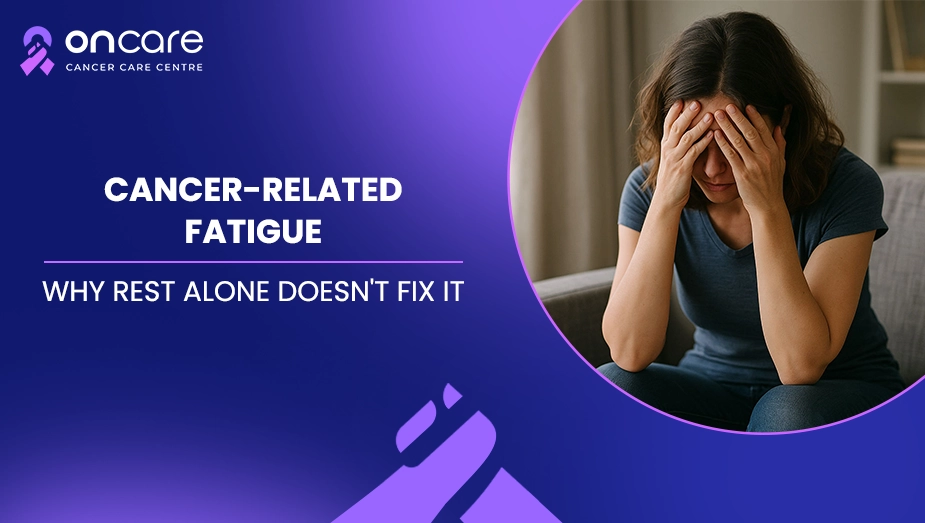
Cancer-related fatigue is one of the most common and emotionally difficult symptoms experienced by cancer patients during and after treatment. Unlike ordinary tiredness, this type of fatigue may not improve completely with sleep or rest. Many patients describe it as a persistent feeling of physical weakness, emotional exhaustion and mental tiredness that affects daily activities, relationships, work and overall recovery.
Fatigue during cancer treatment may develop because of the illness itself, chemotherapy, radiation therapy, emotional stress, nutritional problems, anemia or disturbed sleeping patterns. Understanding the causes and learning realistic ways to manage fatigue may help patients and caregivers improve quality of life during treatment.
In this article, we will discuss the causes of cancer-related fatigue, why rest alone may not always help, common symptoms and practical ways patients may better manage fatigue during treatment and recovery.
Why Cancer-Related Fatigue Feels Different From Normal Tiredness
Normal tiredness often improves after proper sleep, relaxation or a short break. Cancer-related fatigue, however, may continue for days or weeks even after adequate rest. Patients may feel physically weak, emotionally drained and mentally exhausted without any obvious reason.
This type of fatigue may interfere with basic activities such as walking, eating, concentrating or even holding long conversations. According to the National Library of Medicine, cancer-related fatigue is a common side effect during cancer treatment and may require medical care, lifestyle adjustments and emotional support.
Common Symptoms of Cancer-Related Fatigue
Common Symptom | Possible Effect on Daily Life |
|---|---|
Constant exhaustion | Reduced physical activity |
Weakness and low energy | Difficulty completing routine tasks |
Lack of concentration | Mental tiredness and confusion |
Emotional frustration | Increased stress and irritability |
Sleep disturbances | Poor recovery and emotional strain |
Understanding the Physical and Emotional Causes of Cancer Fatigue
Cancer-related fatigue may develop because the body is coping with multiple physical and emotional stresses at the same time. Chemotherapy, radiation therapy, surgery, medications and the cancer itself may gradually reduce energy levels.
Emotional factors may also contribute significantly. Anxiety, fear of recurrence, financial concerns and sleeping problems may increase physical and emotional exhaustion during treatment.
Medical and Lifestyle Factors That May Increase Fatigue
Doctors may evaluate these underlying causes to help patients manage fatigue more effectively:
- Anemia or low red blood cell levels
- Poor nutrition or dehydration
- Sleep disturbances
- Persistent pain
- Emotional stress or depression
- Reduced physical activity
- Side effects of chemotherapy or medicines
Why Rest Alone May Not Fully Relieve Cancer Fatigue
Many patients believe sleeping more may completely resolve cancer-related fatigue, but this condition often requires more than rest alone. Too much inactivity may sometimes increase weakness, reduce muscle strength and worsen emotional frustration.
A balanced routine involving gentle movement, proper nutrition, hydration, emotional support and medical guidance may help improve energy levels more effectively over time.
Healthy Daily Habits That May Help Reduce Cancer Fatigue
Small lifestyle adjustments may help patients feel physically and emotionally stronger during treatment:
- Light physical activity such as short walks
- Drinking enough fluids regularly
- Eating balanced protein-rich meals
- Maintaining a regular sleep routine
- Taking scheduled rest breaks during the day
- Practising relaxation or stress-management techniques
Managing Emotional Well-Being During Persistent Fatigue
Patients may feel emotionally frustrated when fatigue limits normal daily activities. Some individuals may feel guilty about depending on caregivers or becoming less socially active.
Open communication with doctors, family members and caregivers may help patients feel emotionally supported during recovery. Cancer-related fatigue is a genuine medical symptom and should not be viewed as laziness or weakness.
How Family Support May Help Patients Cope With Fatigue
A supportive environment may reduce emotional stress and improve overall recovery experiences. Caregivers and family members may support patients by:
- Encouraging healthy routines gently
- Helping with daily activities
- Understanding emotional frustration patiently
- Supporting medical follow-up appointments
- Helping patients maintain balanced routines
When Patients Should Speak With Doctors About Fatigue
Patients should inform their oncology team if fatigue becomes persistent, severe or suddenly worsens. Medical attention may be especially important if fatigue occurs along with dizziness, breathing difficulty, severe weakness or inability to perform routine activities.
Doctors may recommend blood tests, medication adjustments, dietary guidance or supportive treatments depending on the cause of fatigue.
Setting Realistic Expectations About Recovery From Fatigue
Cancer-related fatigue often improves gradually rather than immediately. Depending on the patient's overall health and treatment type, recovery from fatigue may continue even after active cancer treatment ends.
Instead of expecting instant recovery, patients may benefit from focusing on steady progress, balanced routines and regular medical care during recovery.
Consult Today
Cancer-related fatigue is a complex condition that may affect patients physically, emotionally and mentally throughout treatment and recovery. This fatigue often develops because of multiple physical and emotional factors, and rest alone may not always provide complete relief.
Proper nutrition, hydration, emotional support, balanced activity and medical guidance may help patients manage fatigue more comfortably and improve quality of life during treatment.
For patients seeking compassionate cancer care and advanced treatment support, Oncare Cancer Hospital is known for providing patient-centered cancer treatment and supportive oncology care.





Frequently Asked Questions
Cancer-related fatigue is a severe and persistent exhaustion associated with cancer and cancer treatment.
Fatigue may also result from treatment side effects, anemia, emotional stress, nutritional problems and other physical factors.
Light physical activity and balanced routines may gradually help improve energy levels for many patients.
Patients should discuss persistent or worsening fatigue with their oncology team, especially if it affects daily life significantly.
Written and Verified by:
Dr. Gajendra Kumar Himanshu Exp: 10 Yr
Medical Officer
Book an Appointment
Related Blogs

Breast Cancer Signs Women Shouldn't Ignore
Know breast cancer warning signs women shouldn't ignore. Oncare Cancer Hospital shares early symptoms, risks, and when to consult a doctor for care.
Cancer Treatment in India for International Patients: What to Expect
Explore cancer treatment in India for international patients. Oncare Cancer Hospital helps with advanced care, costs, travel support, and the treatment process.

Is Lymphocytosis Related to Cancer? Key Facts Explained
Understand lymphocytosis, its common causes, symptoms, and when it may signal cancer. Get expert guidance and timely diagnosis support at Oncare Cancer Hospital.
Caring for Cancer Patients at Home: A Complete Guide
Learn practical tips for caring for cancer patients at home, including diet, hygiene, and emotional support. Get expert guidance from Oncare Cancer Hospital.