Table of Contents
Counselling and Therapy Options for Cancer Patients in India

By Dr. Gajendra Kumar Himanshu


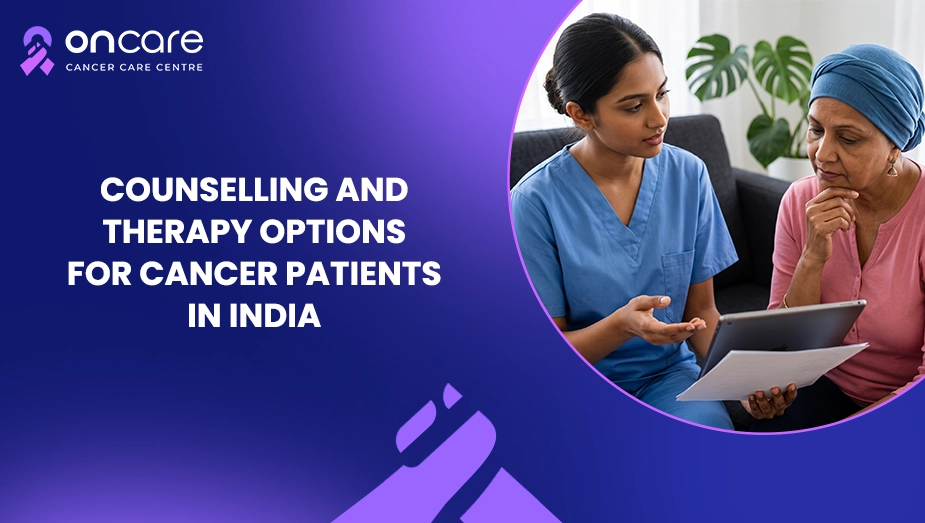
Counselling and therapy for Cancer patients play a significant role in helping individuals and families cope with the emotional, psychological, and social issues of Cancer in India. Professional counselling, support groups, and psychological therapies can help reduce anxiety, promote emotional well-being, strengthen coping skills, and assist patients throughout treatment, recovery, and survivorship, in conjunction with medical care such as Chemotherapy, surgery, or Radiation Therapy.
Importance of Counselling for Cancer Patients
A cancer diagnosis affects more than just your body. It can bring uncertainty, dread, financial hardship, and emotional pain that may last through treatment and recovery. Medical treatment deals with controlling the sickness, whereas counselling deals with assisting the patient mentally and emotionally.
Many patients feel anxious before a Biopsy, anxious while awaiting MRI data, or overwhelmed throughout Chemotherapy or Radiation Therapy. It’s normal to have these emotional reactions, and professional counseling can assist patients in understanding and healthily dealing with these sentiments.
Counselling doesn’t take away the diagnosis, but it can make the journey easier by helping patients feel supported and better prepared for the challenges ahead.
Common Emotional Issues in Cancer Treatment
Each patient’s experience is different, although some emotional issues are typical.
Patients can develop:
- Anxiety over treatment results
- Fear of cancer returning
- Persistent sorrow or depression
- Trouble sleeping
- Alterations in body image
- Concerns about relationships
- Money worries
- Loss of self-confidence
- Social isolation
If these feelings are recognised early, patients can be offered appropriate psychiatric support before they become overwhelming.
What Kind of Counseling Is Available for Cancer Patients?
Today, cancer care involves a variety of counselling and therapy methods to satisfy the emotional and psychological requirements of the individual.
Individual Counselling
Individual counselling is a confidential meeting with a psychologist or therapist to talk about your difficulties.
Sessions usually include:
- Dealing with anxiety
- Adjusting to the diagnosis
- Emotional adaptation
- Decision making
- Developing resilience
Family Counseling
Cancer is a disease of the family. Family counselling allows loved ones to communicate better, misunderstandings are reduced and emotional support is strengthened.
Couples Counseling
Treatment might influence intimacy, relationships and daily life. Couples counselling encourages partners to express concerns openly and work through challenging situations together.
Support Group
Support groups link patients with people who have had similar experiences.
Sharing experiences helps patients a lot:
- Feel less isolated
- Discover practical ways to cope
- Receive emotional support
- Build confidence in the therapy
Psychological Therapies That Can Help
Treatment | How It Works |
|---|---|
Cognitive Behavioral Therapy (CBT) | Helps with anxiety, sadness & negative thinking patterns |
Mindfulness-Based Therapy, Volume 2 | Lowers tension and heightens emotional awareness |
Acceptance and Commitment Therapy (ACT) | Promotes good dealing with challenging emotions |
Therapy for Relaxation | Helps relieve tension and enhance sleep |
Counseling for Grief | Supports families and patients with bereavement or advanced illness |
The Role Of Counselling in the Treatment Of Cancer
Emotional care is in addition to medical treatment and not a substitute for it.
Counselling can assist patients to:
- Gain a better understanding of treatment decisions
- Improved communication with doctors
- Managing Treatment-Related Stress
- Build confidence
- Keep the recovery fire burning
- Learn to cope in positive ways
Patients who feel emotionally supported are more likely to be invested in their treatment strategy.
Counselling for Caregivers and Families
It can also be emotionally and physically stressful for caregivers supporting a loved one with Cancer.
They might have:
- Caregiver fatigue
- Anxiety
- Sleep issues
- Powerlessness feelings
- Burnout
Counselling offers caregivers practical coping methods and helps them to look after themselves.
You can learn more about emotional support for Cancer patients and caregivers at the official website of the National Cancer Institute.
When to Consider Seeing a Counsellor?
Many assume that counselling is only necessary in a crisis. In fact, early support can often prevent emotional disorders from getting worse.
If you experience:
- Constant anxiety
- Persistent sadness
- Trouble sleeping
- Panic Attack
- Loss of interest in everyday activities
- Challenges in accepting the diagnosis
- Problems in relationships
- Hard to manage therapy
Think about talking to a counsellor. It is healthy to seek support to improve mental wellbeing and not a sign of weakness.
Choosing the Right Therapist
Finding the appropriate mental health professional is critical.
An individual who:
- Experience with cancer patients
- Skilled in Oncology Care
- Clear communication
- Takes your worries to heart
- Provides evidence-based therapy
- Collaborates closely with your oncology team when needed
Feeling comfortable with your therapist helps to create trust and improve the experience of counselling.
Realistic Ways to Support Emotional Wellbeing
Besides professional counselling, patients can follow good practices that promote emotional healing.
Some useful strategies:
- Keep in contact with family and friends.
- Join a Cancer support group.
- Try mindfulness or meditation.
- Exercise as your doctor recommends.
- Eat a well-rounded diet.
- Keep a consistent sleep schedule.
- Keep realistic expectations for recovery.
- Ask for help! Don’t be afraid.
Small modifications to lifestyle can complement counselling and improve overall quality of life.
Myths About Cancer Treatment Counselling
False | Truth |
|---|---|
Counselling is only for major depression. | Counselling aids patients at any part of the Cancer journey. |
Strong people don’t require therapy. | Seeking emotional support is healthy and proactive. |
Cancer patients don't need Counselling. | Research indicates that therapy helps improve mental health and coping skills. |
Talking about feelings only makes things worse. | Open interactions can help patients work through challenging feelings and relieve stress. |
Consult Today
Cancer treatment is more than just medical treatment. Emotional health is a crucial element of healing and should be treated with the same focus as physical treatment.
At Oncare Cancer Hospital, we think that Cancer Care is not just excellent medical therapy but emotional support as well. Our multidisciplinary team works together with patients and family, offering counselling, psychological support and personalised care at every step of the Cancer journey. If you or someone you care about is having emotional difficulties during treatment, talk with your oncology team about what assistance is available.





Frequently Asked Questions
Not everyone needs formal counseling, but a lot of people benefit from professional emotional support while being diagnosed, treated, or recovering. This can aid with coping skills and overall well-being.
Yes. Counselling can assist patients handle treatment related anxiety, stress, and emotional issues connected with Chemotherapy and coping with the Cancer journey.
Yes. Cancer affects both the patient and their loved ones, and many hospitals provide family or marriage counselling. Joint sessions are likely to enhance communication and emotional support.
If worry, depression, fear, sleep issues, or emotional discomfort are impacting your daily life or treatment, seek counselling alternatives with your oncologist or a certified mental health expert.
Written and Verified by:
Dr. Gajendra Kumar Himanshu Exp: 10 Yr
Medical Officer
Book an Appointment
Related Blogs
Cancer Immunotherapy in India: Cost and Access
Learn about cancer immunotherapy in India, treatment costs, benefits, side effects, and access to advanced expert cancer care at Oncare Cancer Hospital.
Managing Hot Flashes After Hormone Therapy for Breast Cancer
Learn how to manage hot flashes after hormone therapy for breast cancer with simple lifestyle tips, emotional support, and expert care guidance for recovery.
Drugs Used in Breast Cancer: Hormone Therapy, Chemo and Targeted Medicines
How hormone therapy, chemotherapy and targeted therapy work in breast cancer treatment, when each may be prescribed, possible side effects, and how doctors decide which approach is right for a patient.
Chemotherapy vs Immunotherapy vs Radiation Therapy: Understanding the Differences
Compare chemotherapy, immunotherapy, and radiation therapy, including benefits, side effects, and treatment options at Oncare Hospital with expert cancer care.