Table of Contents
Cancer and Family Dynamics: How to Communicate with Loved Ones

By Prashant Baghel


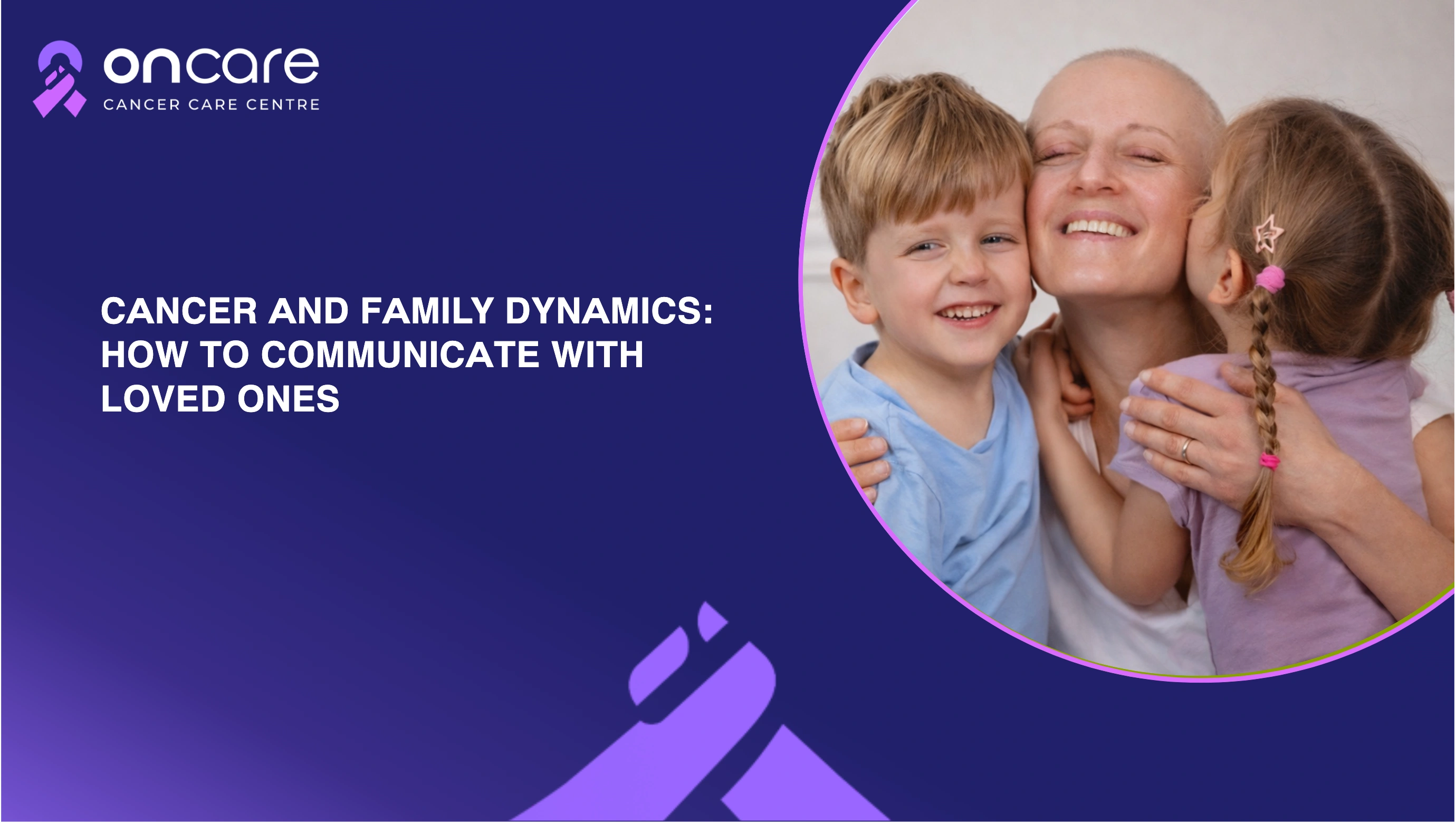
In just one moment, the word "cancer" can change a family. Just one phone call. A visit to the doctor. One report. Life seems different all of a sudden. Feelings are strong. Some people weep. Some people don't say anything. Some people try to be strong. One thing that is very important in the middle of all this is communication.
Cancer and family communication are very important in how they deal with this journey. When someone in the family has cancer, it affects everyone, not just the person who has it. People can become more afraid, confused, stressed, and even misunderstandings if they don't talk to each other. Families can stay connected, help each other, and move forward together when they practice healthy cancer and family communication.
We will talk about cancer and family communication in a simple and caring way in this article. During cancer treatment, you will learn how to talk honestly, listen with love, and deal with tough conversations.
Learning About Cancer and Family Communication
Cancer and family communication are closely linked because illness alters daily life, roles, and emotions within a household. Someone who used to be strong may now need help. Someone else might suddenly have to do more work. These changes can make people feel stressed.
A lot of families have a hard time talking about cancer. Some people don't want to talk about it because they are scared. Some people might not know what to say. Sometimes, family members try to keep each other safe by not showing how they really feel. This may come from love, but it can push people apart and weaken cancer and family communication.
To have good cancer and family communication, you should be honest but kind. It means making room for sadness, hope, fear, and even anger. It also means not judging or interrupting when someone is talking.
Families feel closer and more connected when they practice strong cancer and family communication. Misunderstandings can grow when communication breaks down. That's why it's so important to learn how to talk about cancer openly.
Why Talking About Cancer Is Important
Cancer treatment can take a long time and be very stressful. There are doctor visits, choices about health care, money worries, and changes to daily life. It's easy to get confused when people don't talk to each other clearly.
Cancer and family communication help everyone understand what's going on. When family members talk to each other honestly, they can share their duties more easily. They can help the patient in ways that really work.
Good cancer and family communication also makes you feel less stressed. People often feel better about their fears when they talk about them. On the other hand, silence can make worries worse.
Kids in the family also need clear and honest answers. If adults don't talk, kids might think of something worse than what really happened. They feel safe and comfortable when there is open cancer and family.
In short, cancer and family communication can help you get through a tough time.
Cancer and Family Communication
Cancer and family communication take time, honesty, and understanding. Taking small steps can make a big difference, even though it isn't always easy.
Talking openly as a family makes everyone feel safe and heard. This doesn't mean that every conversation will go perfectly. It means that everyone tries their best to be polite when they talk and listen, building stronger communication.
Being Honest but Kind When You Talk
Being honest is an important part of cancer and family communication. The patient and their family should be able to talk to each other clearly about important things. Keeping things secret can make people confused or suspicious.
Honesty should also be kind. Words are important. It is easier to hear bad news when you talk to someone calmly and kindly. It's fine to say, "I'm scared" or "I don't know what will happen, but we'll deal with it together."
Trust is built through honesty and family. Trust makes families feel more like a unit.
Listening Without Talking Over
Talking is only one part of good cancer and family communication. It's also about hearing. People can feel a lot of things while they are getting cancer treatment. Some of your family members might cry. Some people might stop talking.
Respect is shown by listening without interrupting. Let someone say how they feel, even if you don't agree with them. People sometimes just need to be listened to.
When everyone feels safe to say what they think without fear of being judged, cancer and family communication get better.
How to Talk to Kids About Cancer
Kids can often tell when something is wrong, even if adults try to hide it. It's better to tell them the truth in a simple way.
Use words that are easy for them to understand. Tell them what cancer is in simple terms and let them ask questions. Tell them that you love and care about them.
Cancer and family communication with kids should be calm and honest. Don't make promises you can't keep. Instead, focus on being there for each other and supporting each other.
Dealing with Conflict When You're Stressed
Stress can make people fight. People may say mean things when they are tired or worried. This is normal when things are tough.
If there is a fight, take a quick break. Take a deep breath before you keep talking. Say you're sorry if you need to. It's very important to forgive.
Cancer and family communication are not about being perfect. They are about trying again and choosing to understand instead of getting angry.
The Emotional Aspect of Cancer and Family Communication
Cancer makes you feel a lot of things. Fear of what's to come. Sadness over changes. Anger about unfairness. Hope for healing. You can feel all of these things at the same time.
Families should let people show their feelings. It's fine to cry together. It's fine to say, "I'm scared." These honest times often bring people together and strengthen cancer and family communication.
Families may need help from people who aren't family members. A therapist or counselor can help people talk in a safe place. A lot of hospitals now offer emotional support services to patients and their families.
Strong cancer and family communication can help you feel less alone. They remind everyone that they are not alone in this.
Consult Today
Cancer changes a lot of things in a family, but it doesn't have to stop them from talking to each other. It can actually bring people closer together if you are honest and careful with it. During treatment, strong cancer and family communication are the most important things for emotional strength.
Families stay together when they talk softly, listen patiently, explain things clearly to their kids, and deal with disagreements calmly. There is no such thing as a perfect family or a perfect conversation. Love, effort, and a desire to understand each other are what matter most in cancer and family communication.
Picking the right medical team also helps with good communication. A hospital that cares about both medical and emotional health can help families through this process. For advanced treatment and caring support, consider Oncare Cancer Hospital for the best treatment. The right team can give patients and their families the confidence and hope they need to move forward.
Frequently Asked Questions
Cancer and family communication help family members understand each other, share duties, and give each other emotional support while they are getting treatment.
Be honest and calm when you talk. Give out basic information and let people ask questions. It's fine to say how you feel to support healthy cancer and family communication.
Yes, kids should be told in a way that is easy for them to understand and is right for their age. Being honest through cancer and family communication builds trust and lowers fear.
Give them some time, but gently push them to talk openly. If you need help, talk to a counselor about how to improve cancer and family communication.
Book an Appointment
Related Blogs
How Indian Families Support Loved Ones During Cancer Treatment
Learn how family support during cancer treatment helps patients stay strong emotionally, mentally, and physically. Discover the importance of care and unity.

Top Radiation Oncologists in Delhi: A Patient’s Guide
Discover the best radiation oncologists in Delhi offering advanced cancer treatment, personalized care, and modern therapy techniques and how to choose the right doctor.

Is Cancer Hereditary Disease? How Family History Impacts Your Risk
Discover the answer to “is cancer hereditary disease,” how genes affect cancer risk, signs of hereditary cancer, and how early screening and lifestyle changes can help.
Balancing Cancer Treatment with Family Responsibilities: A Practical Guide
Discover more about how to balance cancer treatments with family responsibilities, the importance of practical support during treatment, and why support matters!