Table of Contents
Can Tattoos Cause Cancer? Safety Tips and What You Need to Know

By Dr. Gajendra Kumar Himanshu


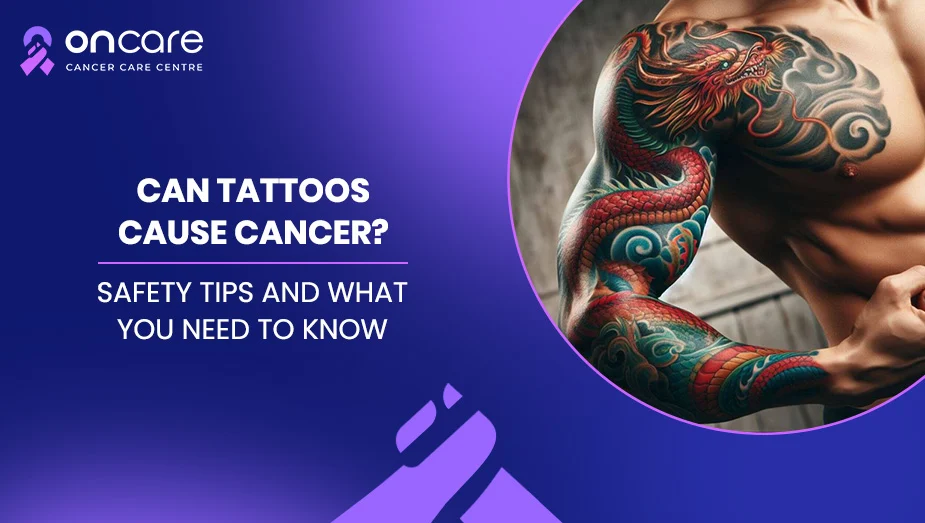
Tattoos are more popular than they've ever been. Some people see them as a way to express themselves, while others see them as just art. But with that popularity comes a recurring worry: Are tattoos safe, or do they make you more likely to get cancer?
That's a good question. It's a good idea to consider the long-term repercussions of placing ink on your skin. The good news is that so far, studies have not found a direct link between tattoos and cancer. There are still a few essential risks and things you should know about.
This blog straightforwardly explains everything so you can make a smart choice. You can get reliable medical information on cancer on the World Health Organization cancer facts site.
What Happens to Your Skin When You Get a Tattoo?
You get a tattoo by putting ink into the dermis, which is the second layer of your skin. This layer doesn't shed quickly like the upper layer does, which is why tattoos last forever.
Your body sees the ink as something strange. Immune cells hold the ink particles in place by surrounding them. Some small particles could go to adjacent lymph nodes, but this is a typical physiologic response.
The Centers for Disease Control and Prevention page has further information about skin and exposure hazards.
What Science Says
At this time, there is no convincing scientific evidence that tattoos directly cause cancer. There are millions of people with tattoos around the world, and very few of them get cancer because of the ink.
But the study is still ongoing because tattoo inks are made of different chemicals, and scientists are currently looking into what happens to people over time.
Why There Are Some Concerns
- Some inks have heavy metals in them, such as lead, chromium, or nickel.
- Some pigments may break down when they are in the sun or when they are hit by lasers.
- Inks that are of low quality or not controlled may have dangerous chemicals in them.
These things make people worried, but they don't prove that tattoos always cause cancer.
Possible Health Risks of Getting Tattoos
Type of Risk | What It Means |
|---|---|
Infection of the skin | Due to dirty needles or bad hygiene |
Reaction to an allergy | Some people are sensitive to some ink colors. |
Inflammation of the skin | After getting a tattoo, your skin may become red, swollen, or itchy. |
Contamination of Ink | Ink that isn't very good could have compounds that are bad for you. |
Changes in the skin that aren't visible | Tattoos might make it harder to see skin concerns early on. |
Do tattoos hide skin cancer?
This is one of the more useful worries. Tattoos may not directly cause cancer, but they can make it difficult to find it early on.
For instance:
- Changes in moles can be hidden by dark ink.
- You might not notice skin darkening.
- You can miss early warning symptoms.
That's why dermatologists generally tell people not to get tattoos over moles or other weird patches of skin.
Things You Shouldn't Ignore After Getting a Tattoo
If you have a tattoo, check your skin often. If you see any of the following, talk to a doctor:
- A bulge or strange growth
- Swelling or redness that doesn't go away
- Itching that doesn't stop
- Changes in the skin or bleeding
- A mole that changes color or shape under a tattoo
Early treatment can stop significant problems from happening.
Things to Think About Before Getting a Tattoo
1. Pick a tattoo shop that is well-known and trusted.
Check if the studio has a license and follows health and safety laws.
2. Inquire About the Quality of the Ink
Only use inks that have been tested and are safe. Don't buy things you don't know about or that are cheap.
3. Check to see if it has been sterilized.
Always use new needles that are only for one usage. It is necessary to sterilize the equipment.
4. Don't tattoo over moles
This helps you find skin changes early in the future.
5. Do Aftercare the Right Way
Taking care of yourself properly lowers the risk of illness and speeds up healing.
What about getting rid of tattoos?
People generally use lasers to get rid of tattoos. It breaks the ink into smaller pieces that the body slowly gets rid of.
There is no solid proof that laser tattoo removal causes cancer; it should always be done by skilled professionals to avoid problems.
Consult Today
So, can tattoos give you cancer? The truthful response is that there is no definitive evidence linking tattoos directly to cancer.
But that doesn't imply you should forget about safety. Not knowing how to take care of your health, using low-quality ink, and not being aware of how to do so can all contribute to other health concerns.
If you want to get a tattoo, make sure you go to a professional studio and observe all the safety rules. And if you already have tattoos, watch your skin and don't dismiss any strange changes.
The greatest way to keep safe is to know what's going on. And if you ever notice unusual skin changes or have concerns, getting checked at a trusted center like Oncare Cancer Hospital can help ensure early diagnosis and the best possible care.





Frequently Asked Questions
There is no strong scientific proof that tattoos cause cancer.
Some inks may include chemicals in them, regulated inks are usually thought to be safe.
Sometimes, tattoos can make it tougher to see changes in the skin early on.
Pick an artist that is licensed, make sure they are clean, use good ink, and follow the right aftercare.
Written and Verified by:

Dr. Gajendra Kumar Himanshu Exp: 10 Yr
Medical Officer
Book an Appointment
Related Blogs
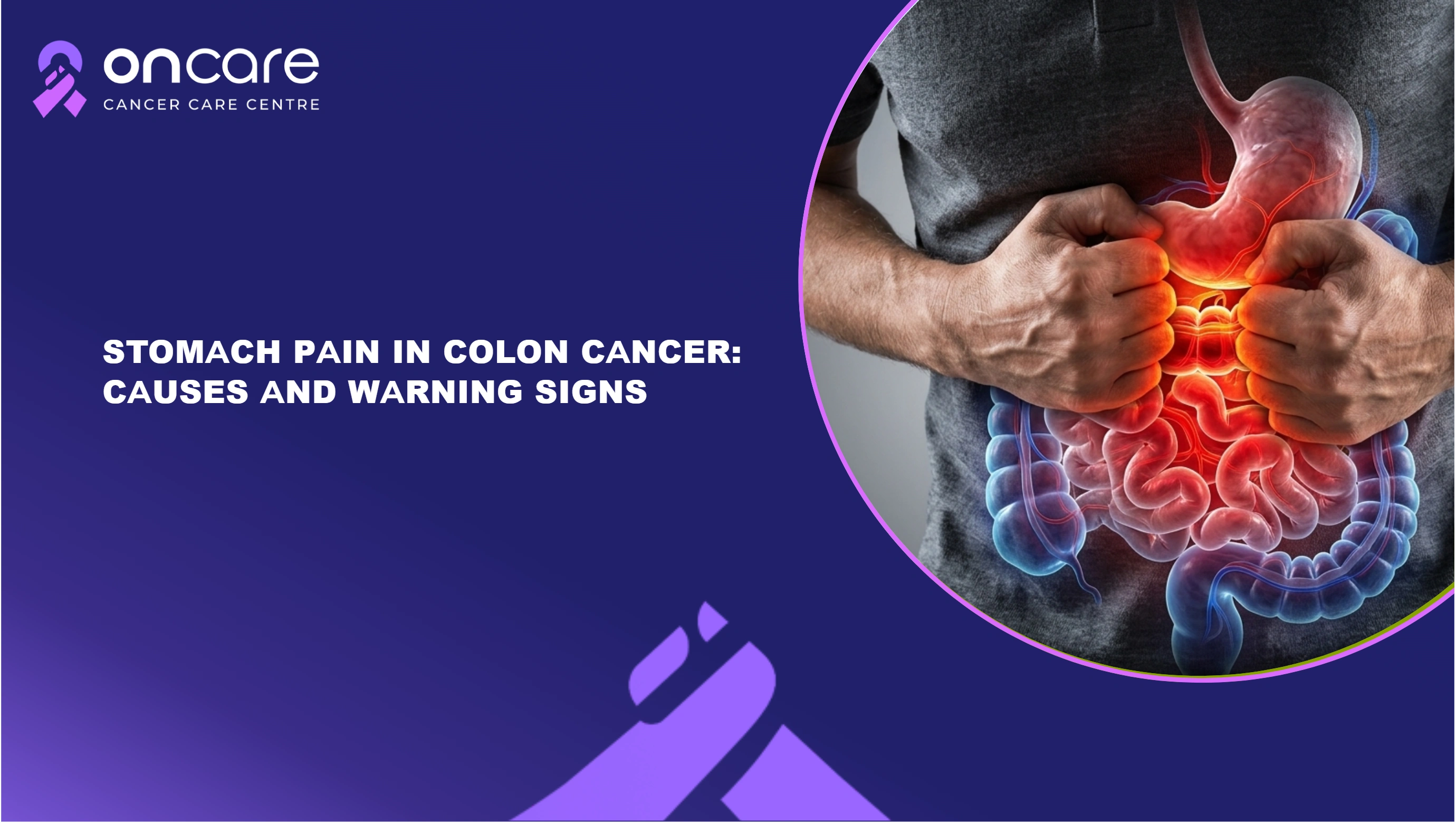
Stomach Pain in Colon Cancer: Causes and Warning Signs
Learn why stomach pain occurs in colon cancer, its warning signs, and when to see a doctor. Get expert diagnosis and treatment guidance from Oncare Cancer Hospital.
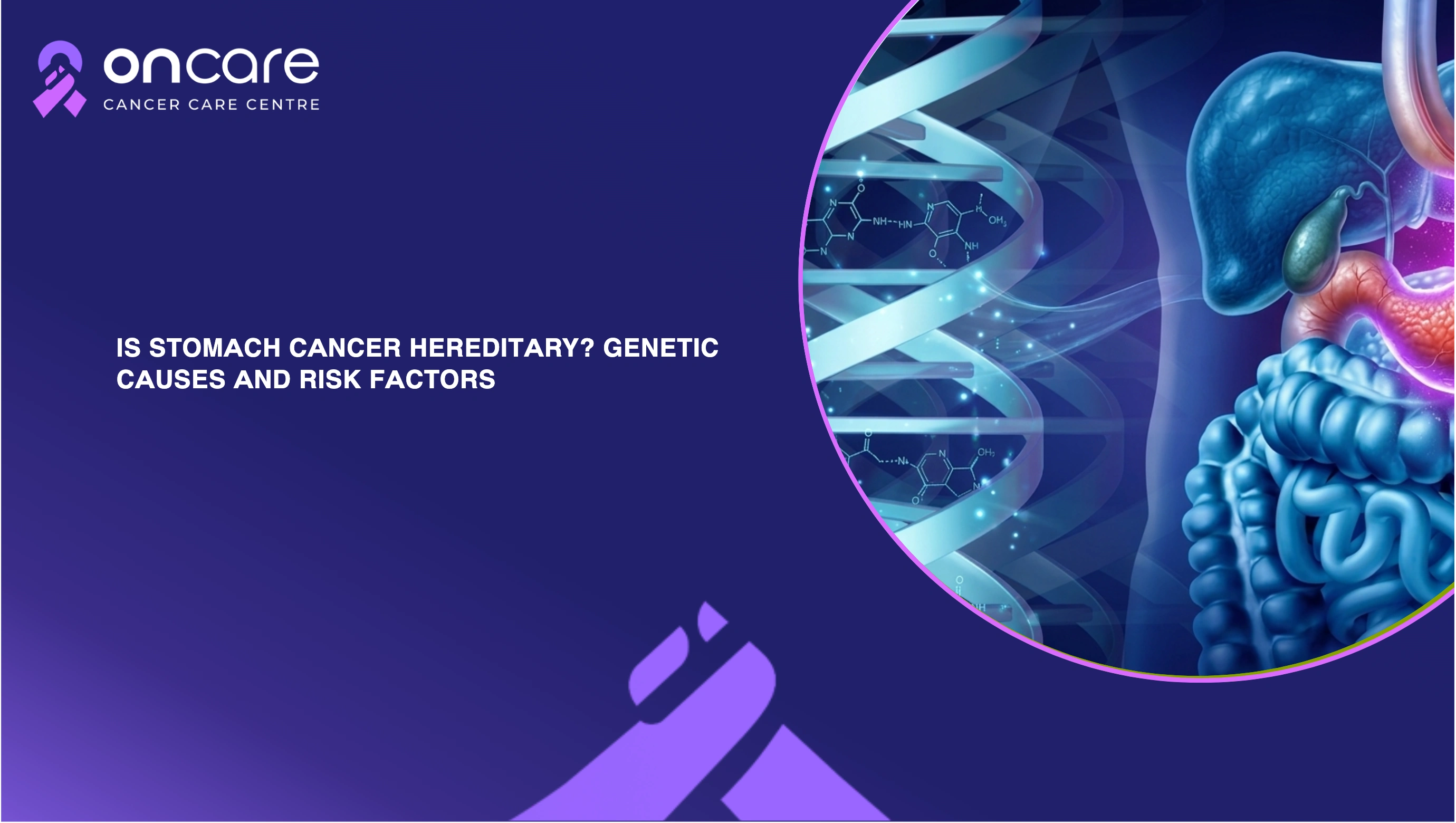
Is Stomach Cancer Hereditary? Genetic Causes and Risk Factors
Learn if stomach cancer runs in families, risk factors, and prevention tips. Get expert guidance and care at Oncare Hospital for early detection and treatment.
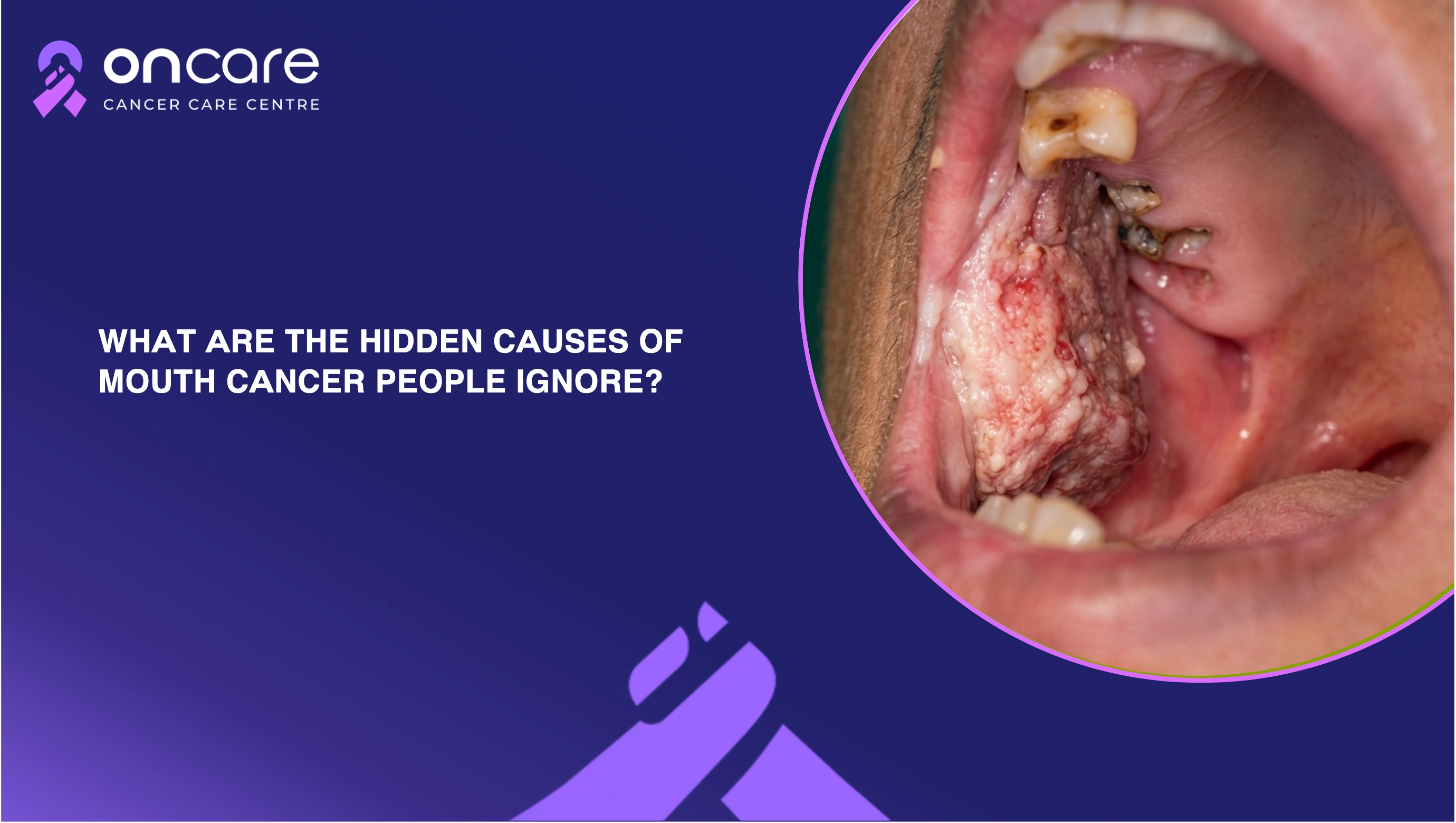
What Are the Hidden Causes of Mouth Cancer People Ignore?
Learn the hidden causes of mouth cancer and HPV. Understand early symptoms and how to reduce risks. Oncare Cancer Hospital provides expert care and treatment.

Causes of Ovarian Cancer: Every Woman Should Know
Learn the key causes of ovarian cancer, including genetics, age and lifestyle factors. Stay informed, detect early signs, and get expert care at Oncare Hospital.