Table of Contents
Bone Density Loss After Cancer Treatment: Prevention and Monitoring

By Dr. Gajendra Kumar Himanshu


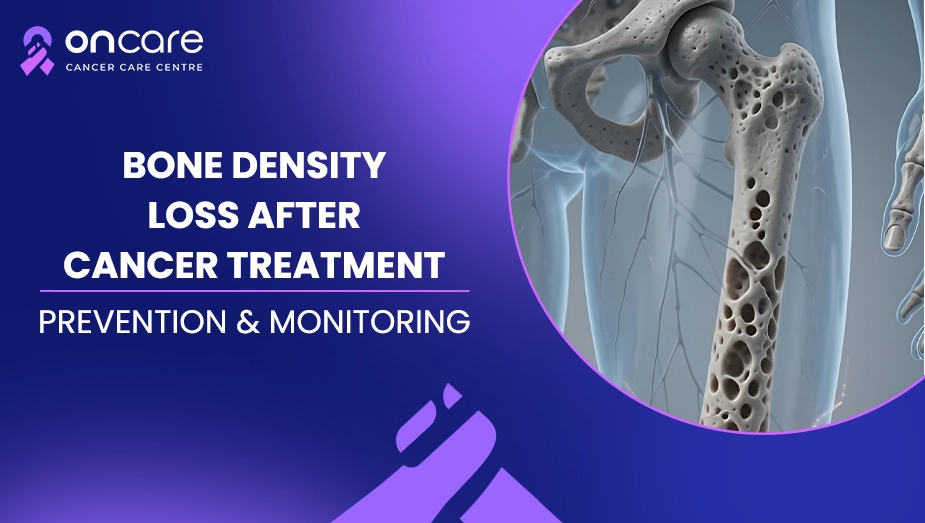
In some cancer patients, chemotherapy, hormone therapy, radiation therapy or certain targeted treatments may lead to bone density loss as a long-term side effect. Cancer treatments can affect the body's ability to maintain strong bones, increasing the risk of weak bones, fractures, joint pain and osteoporosis over time. Patients receiving treatment for breast cancer, prostate cancer, blood cancers or hormone-related cancers may have a higher risk of bone weakness.
Bone health problems often develop slowly and may not cause noticeable symptoms during the early stages. This is why prevention, regular monitoring and healthy lifestyle habits are very important before, during and after cancer treatment. Early attention to bone health may help patients maintain mobility, lower fracture risk and improve long-term quality of life during recovery.
In this blog, we will discuss the causes of bone density loss after cancer treatment, common risk factors, monitoring methods, preventive measures and practical ways patients may support bone health during survivorship.
Understanding How Cancer Treatment May Affect Bone Health Over Time
Bones constantly rebuild and repair themselves through natural biological processes. Certain cancer treatments may interfere with hormone levels, calcium balance and bone cell activity, which may gradually weaken the bones over time.
Hormone therapy used for breast cancer and prostate cancer may particularly increase the risk of bone loss because these treatments lower estrogen or testosterone levels that help maintain bone strength.
According to the National Library of Medicine, long-term medical treatments and age-related changes may contribute to reduced bone strength and increased osteoporosis risk.
Common Cancer Treatments Associated With Bone Density Loss
Type of Treatment | Potential Effect on Bones |
|---|---|
Hormone therapy | Gradual weakening of bone strength |
Chemotherapy | Hormonal balance changes affecting bones |
Radiation therapy | Weakening of treated bone areas |
Long-term steroid use | Higher risk of osteoporosis |
Identifying Risk Factors That May Increase Bone Weakness After Treatment
Some patients naturally have a higher risk of developing bone density loss after cancer treatment. Age, poor nutrition, reduced physical activity and previous bone conditions may increase the chances of osteoporosis or fractures.
Patients who may require closer bone monitoring include elderly individuals, postmenopausal women, people receiving long-term hormone therapy and patients with low calcium or vitamin D levels.
Warning Signs Patients Should Not Ignore
Patients should discuss these symptoms with their healthcare provider for timely evaluation:
- Persistent bone or joint pain
- Loss of height over time
- Frequent fractures
- Back pain
- Weakness during physical activity
Why Bone Density Monitoring Is Important During Recovery
Doctors may recommend regular bone density monitoring for patients who are at higher risk of osteoporosis after cancer treatment. Monitoring helps detect bone weakness early before serious fractures occur.
Early identification allows doctors to recommend preventive care, supportive therapies and lifestyle modifications when needed.
Monitoring Methods Used for Bone Health Assessment
Monitoring Method | Purpose |
|---|---|
DEXA scan | Measures bone mineral density |
Blood tests | Checks calcium and vitamin D levels |
Physical examination | Evaluates posture and bone discomfort |
Medical history review | Assesses fracture and osteoporosis risk |
Healthy Lifestyle Habits That May Help Protect Bone Strength
Lifestyle habits play a major role in supporting bone health during cancer recovery. Proper nutrition and safe physical activity may help slow bone loss and improve overall strength.
Bone-Healthy Habits Patients May Follow
Balanced routines may support both bone health and overall recovery after treatment. Patients may follow:
- Eating calcium-rich foods such as dairy products and leafy vegetables
- Maintaining adequate vitamin D intake
- Performing light weight-bearing exercises if approved by doctors
- Avoiding smoking and tobacco use
- Limiting alcohol intake
- Maintaining a healthy body weight
Importance of Exercise for Bone Health and Mobility
Gentle physical activity may help strengthen muscles and support bone maintenance. Walking, stretching and light resistance exercises may improve balance and reduce fracture risk.
Patients should always consult doctors before starting any exercise routine during recovery.
Managing Emotional Concerns About Bone Health After Cancer Treatment
Some cancer survivors may feel emotionally anxious about osteoporosis, fractures or long-term physical weakness after treatment. Fear of reduced mobility may affect confidence and emotional wellbeing.
Open communication with doctors and caregivers may help patients better understand prevention strategies and realistic recovery expectations.
Long-Term Awareness and Prevention During Cancer Survivorship
Bone health monitoring often continues even after active cancer treatment is completed. Regular health check-ups, healthy eating habits and preventive medical care may help patients maintain mobility and independence long term.
Long-term survivorship care includes continued awareness and early prevention to reduce future bone-related complications.
Consult Today
Bone density loss after cancer treatment is a common but manageable long-term health concern that may affect mobility, strength and quality of life. Treatments such as hormone therapy, chemotherapy and radiation therapy may gradually weaken bones if preventive care is ignored.
Regular monitoring, healthy nutrition, balanced exercise and proper medical guidance may help patients protect bone health and reduce future complications during recovery.
For advanced cancer treatment, survivorship care and compassionate patient support, Oncare Cancer Hospital is known for its patient-centered approach and modern cancer care services.





Frequently Asked Questions
Some cancer treatments may alter hormone levels and gradually weaken bone strength over time.
DEXA scans are commonly used to measure bone mineral density and assess osteoporosis risk.
Yes, doctor-approved physical activity may help strengthen bones and improve mobility during recovery.
Older adults, postmenopausal women and patients receiving long-term hormone therapy may have a higher risk of bone density loss.
Written and Verified by:
Dr. Gajendra Kumar Himanshu Exp: 10 Yr
Medical Officer
Book an Appointment
Related Blogs
Sarcoma in Adults: A Guide to Soft Tissue and Bone Sarcomas
Learn about soft tissue and bone sarcomas, symptoms, diagnosis, and treatment options with expert cancer care, support, and guidance at Oncare Cancer Hospital.

How to Avoid Bone Cancer: Lifestyle and Health Guide
Learn how to avoid bone cancer with simple lifestyle habits, stronger nutrition, regular checkups, safe practices, and awareness of early warning signs.
Stage 4 Bone Cancer Symptoms: Critical Indicators for Patients
Learn the stage 4 bone cancer symptoms, including severe pain, swelling, fractures, weight loss, fatigue, and breathing issues. Know what to watch for and when to seek help.

Bone Cancer Symptoms: Early Signs You Should Watch
Discover more about bone cancer and its symptoms, early signs people shouldn’t ignore, why early diagnosis matters, and who is at higher risk of developing this cancer!