Sarcoma is an uncommon type of cancer that occurs in the body’s connective tissues such as muscles, fat, blood vessels, nerves, tendons and bones. In adults, sarcomas are often classified into two broad types, soft tissue sarcomas and bone sarcomas. These malignancies are less prevalent than many other cancers, but early detection and tailored therapy can make a real difference in outcomes.
Sarcomas can develop in various places of the body. They may not create obvious symptoms at first, so knowing the warning signals, diagnosis process, and treatment choices is vital for patients and families. Today, thanks to developments in medical imaging, surgery, radiation therapy, chemotherapy, targeted therapies, and supportive care, many people with sarcoma have access to effective treatment options tailored to their particular needs.
In this blog, we will discuss soft tissue and bone sarcomas, symptoms, diagnosis, treatment choices, and what patients need to know following diagnosis.
What is Sarcoma?
Sarcoma forms in connective tissues that support and link the other parts of the body. Sarcomas are different from malignancies that start in our lungs, breast, colon, and other organs. Sarcomas form in tissues that give us structure and help us move. Sarcomas are usually divided into two main groups by doctors:
- Soft tissue sarcomas
- Bone sarcomas
Both sorts are called sarcomas, yet they can behave differently and may require distinct treatment approaches.
Understanding Soft Tissue Sarcomas and Bone Sarcomas
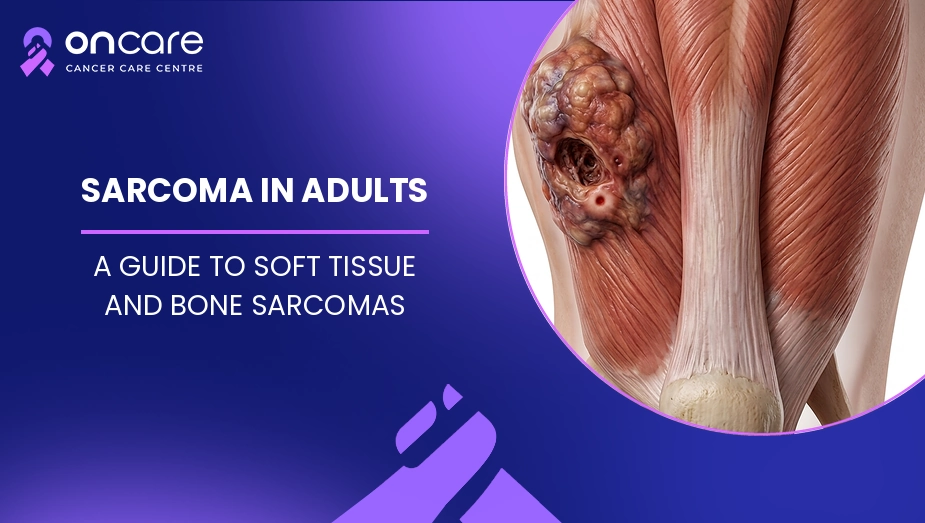
Sarcomas are essentially of two types: soft tissue sarcomas and bone sarcomas. Although both are derived from connective tissues, they are found in distinct regions of the body and may require different therapeutic strategies. Being able to distinguish between the two can assist patients in better comprehending their diagnosis and treatment options.
What Is Soft Tissue Sarcoma?
Soft tissue sarcoma starts in tissues such as:
- Muscles
- Fatty
- Tendons
- Vessels of blood
- Nerves
- Fibrous tissue
These tumors can appear practically anywhere in the body, but they usually occur in the arms, legs, abdomen, and trunk.
What is Bone Sarcoma
Bone sarcoma is from the bones themselves. A few instances are:
- Osteosarcoma
- Ewing sarcoma
- Chondrosarcoma
Bone sarcomas are more common in younger people, but adults can get bone sarcoma as well.
Typical Symptoms You Should Never Disregard
The symptoms of sarcoma depend on the size, nature, and location of the tumor.
Soft Tissue Sarcoma Signs
Many soft tissue sarcomas start as a painless lump that gradually becomes bigger over time. Possible symptoms are:
- A bump or swelling under the skin
- Pain if the tumor puts pressure on adjacent nerves or tissues
- Trouble moving a limb
- If the tumor is within the abdomen, the person may have abdominal discomfort
Symptoms of Bone Sarcoma
Bone sarcoma may present with:
- Constant bone ache
- Swelling next to a bone
- Worse at night
- Difficulty walking or moving about
- Some cases of bone fractures after minor injuries
These symptoms may also be present when there is no cancer, and it is crucial to get a complete medical evaluation.
How Doctors Find Sarcoma
To diagnose sarcoma, there are frequently multiple tests to better understand the tumor and the best treatment approach.
Physical Examination and History Taking
Doctors will consider symptoms, medical history, family history, and any changes that have occurred over time.
Tests (Imaging)
Imaging can help doctors find the tumor and determine its size and extent. Imaging studies commonly include:
- X-ray
- Computed tomography (CT) scan
- MRI imaging
- PET scans in selected circumstances
Laboratory Tests and Biopsy
Often, a biopsy is required to confirm the diagnosis. A biopsy is when a little piece of tissue is taken from the area that is suspected and looked at under a microscope.
Doctors may also suggest molecular or genetic testing to determine the tumor’s specific characteristics that may affect treatment decisions.
The National Library of Medicine is a dependable source for cancer education and research information. Patients can rely on this source for trustworthy and up-to-date information regarding sarcoma and cancer care.
Treatment of Soft Tissue and Bone Sarcomas
Several major elements determine treatment, including:
- Sarcoma type
- Size of tumor
- Location of tumor
- Stage of cancer
- Family history
- Genetic test findings
- General health
- Patient’s choice
- Doctor's warning
Each treatment plan is individualized.
A Practical Treatment Overview
Treatment Option | Purpose |
|---|---|
Surgery | Remove the tumour if indicated |
Radiation Therapy | Radiation Therapy to Destroy Cancer Cells |
Chemo | Kill cancer cells or inhibit their growth |
Targeted Therapies | Targeting cancers with certain molecular alterations |
Immunotherapy | Support the immune system to fight cancer in some situations |
Rehab | Improve mobility and recuperation after therapy |
Available Treatment Options
Treatment of soft tissue and bone sarcoma will depend on the kind, stage and location of the tumor, and the overall health of the patient. Doctors will generally utilize one or a mix of treatments to obtain the greatest potential outcome.
When Surgery May Be an Option
Surgery is often an important therapeutic option for both soft tissue and bone sarcomas. The common aim is to remove the tumor while conserving as much normal tissue and function as feasible.
However, surgery is not appropriate for every patient and should not be seen as a definite treatment. It depends on a person’s risk, family history, findings of genetic testing, overall health, the features of the tumor, and the doctor’s suggestion.
Radiation Therapy & Chemotherapy
Radiation therapy employs high-energy beams to destroy cancer cells. Chemotherapy employs drugs that flow through your bloodstream to kill or halt the growth of cancer.
These treatments can be used:
- Before the operation
- After the operation
- In some instances, as a first-line treatment
Newer Treatments & Targeted Therapies
Certain sarcomas are characterized by distinct genetic or molecular features that can be targeted with certain drugs.
In some circumstances, targeted therapy or immunotherapy may be considered in a tailored treatment approach.
Living Well During and After Treatment
A diagnosis of sarcoma might raise many concerns and feelings. Most patients will respond well to a combination of medical therapy, emotional support, and practical advice.
Some helpful steps may include:
- Attending routine follow-up appointments
- Keeping active physically, when you can
- Eating a well-balanced diet
- Notifying of new symptoms quickly
- Asking for help from family and friends
- Collaborating with rehabilitation specialists if needed
Many go on to enjoy busy and fulfilling lives both during and after treatment.
Consult Today
Sarcoma in adults is an uncommon type of tumor that comprises soft tissue sarcomas and bone sarcomas. While these cancers might pose distinct challenges, breakthroughs in diagnostics and treatment have improved the care options for many patients. Early recognition of symptoms, proper diagnosis, and tailored treatment planning are key measures to provide the best potential outcomes.
Treatment recommendations should be individualized based upon risk factors, family history, results of genetic testing, general health, and consultation with skilled medical professionals. Oncare Cancer Hospital is a trusted name for those who need expert cancer care, providing comprehensive cancer diagnosis, treatment, and patient support services.
Frequently Asked Questions
1. What is Sarcoma?
It’s a kind of cancer that forms in connective tissues such as muscles, fat, blood vessels, nerves, and bones.
2. What is the difference between soft tissue and bone cancer?
Soft tissue sarcoma develops in muscles and fat tissues, while bone sarcoma develops in the bones.
3. Is sarcoma treatable?
Yes. Treatment options include surgery, radiation therapy, chemotherapy, targeted therapy, or a combination of these.
4. Does a lump necessarily mean sarcoma?
Nope. Many lumps are benign, but any lump that grows, hurts, or doesn’t go away should be checked out by a doctor.