Table of Contents
Blood Cancer Survival: Reading the Numbers

By Dr. Gajendra Kumar Himanshu


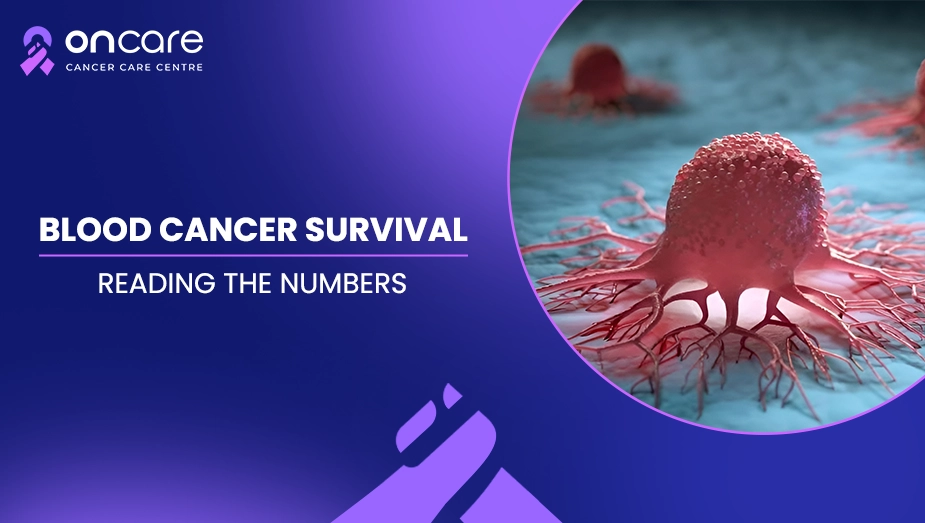
Blood cancer survival rates may help patients and families understand how different types of blood cancers respond to treatment over time. These statistics are generally based on large patient groups and show the percentage of people who remain alive for a certain period after diagnosis, often five years or longer.
However, survival statistics are not exact predictions for individual patients because every person has a different health condition, cancer type and treatment response. Modern advancements in cancer care such as targeted therapy, immunotherapy, bone marrow transplant and improved supportive care are helping many blood cancer patients live longer today.
In this article, we will discuss what blood cancer survival rates mean, factors affecting survival outcomes, how modern treatments are improving recovery and why survival statistics should be understood carefully and realistically.
What Blood Cancer Survival Rates Actually Mean
Blood cancer survival rates are statistical estimates showing the percentage of patients who remain alive for a specific period after diagnosis. These figures are based on previous patient data and help doctors and researchers understand treatment progress over time.
It is important to understand that survival statistics do not predict exactly how long an individual patient will live. Some patients may respond better to treatment than expected, while others may require long-term medical care and monitoring.
Common Blood Cancer Types and Factors Affecting Survival
Blood Cancer Type | Factors That May Affect Survival |
|---|---|
Leukemia | Age, subtype and early treatment response |
Lymphoma | Stage of cancer and treatment effectiveness |
Multiple Myeloma | Overall health and disease progression |
Why Blood Cancer Survival Rates Differ Between Patients
Every patient experiences blood cancer differently, which is why survival rates may vary greatly from person to person. Recovery outcomes may depend on age, immune system health, cancer stage, genetic changes and access to treatment.
Patients diagnosed during earlier stages often respond more effectively to treatment compared to those diagnosed later. According to the National Library of Medicine, awareness, early diagnosis and access to modern treatment continue to improve cancer survival outcomes in India.
Important Factors That May Affect Blood Cancer Survival
Understanding these factors may help patients interpret survival statistics more realistically:
- Type and subtype of blood cancer
- Age and general physical health
- Timing of diagnosis and treatment
- Response to chemotherapy or targeted therapy
- Availability of advanced treatment options
- Presence of other medical conditions
How Modern Treatments Are Improving Blood Cancer Survival Rates
Blood cancer treatment has advanced significantly over recent years. Earlier, many blood cancers had limited treatment options, but modern therapies now provide better disease control and improved survival opportunities for many patients. These medical advancements are helping improve both survival rates and quality of life for many blood cancer patients.
Important treatment advancements include:
- Targeted therapy for specific cancer mutations
- Immunotherapy to strengthen immune response
- Stem cell and bone marrow transplantation
- Precision-based personalized treatment plans
- Improved infection management and supportive care
The Role of Bone Marrow Transplant and Advanced Therapies
Bone marrow transplant remains an important treatment option for some aggressive or recurrent blood cancers. In selected patients, transplantation may provide long-term disease control and improved survival outcomes.
Newer therapies such as CAR T-cell therapy and advanced targeted medicines are also helping doctors treat difficult blood cancers more effectively than before.
Why Patients Should Not Compare Their Situation Only With Statistics
Reading survival statistics online may create fear and anxiety for many patients. However, statistics represent large patient groups and cannot fully reflect an individual person's treatment response, emotional resilience or access to modern therapies.
Doctors evaluate each patient individually using diagnostic tests, treatment response and overall health condition. Emotional support, regular follow-up care and treatment adherence may also influence recovery experiences.
Understanding the Difference Between Survival Statistics and Prognosis
Survival statistics describe trends in large patient populations, while prognosis refers to a doctor's medical assessment of an individual patient's condition. Patients should discuss their individual concerns directly with their oncologist instead of relying entirely on online survival statistics.
Prognosis may depend on:
- Current cancer stage
- Response to treatment
- General physical health
- Laboratory and imaging results
- Ongoing recovery progress
Emotional Support and Understanding Blood Cancer Statistics
Reading cancer survival statistics may sometimes feel emotionally overwhelming for patients and caregivers. Emotional reassurance, accurate medical guidance and supportive communication remain important during treatment.
Rather than focusing only on percentages or general survival numbers, families may benefit more from concentrating on treatment progress, healthy routines, emotional stability and regular medical follow-up.
Building Hope Through Awareness and Ongoing Treatment Advances
As cancer treatment continues to improve, many patients now experience better treatment outcomes and longer survival than in previous years. Early diagnosis, awareness and access to specialized oncology care remain important factors in improving recovery experiences.
A balanced understanding of survival statistics may help patients stay informed while maintaining emotional strength throughout treatment.
Consult Today
Blood cancer survival statistics provide a general understanding of treatment outcomes but should never be viewed as exact predictions for individual patients. With advances in targeted therapy, immunotherapy, bone marrow transplantation and personalized treatment plans, many blood cancer patients today have improved survival opportunities.
Understanding survival rates realistically while focusing on proper treatment, emotional support and regular medical care may help patients and families approach the cancer journey with greater confidence and awareness.
For patients seeking compassionate cancer care and advanced treatment support, Oncare Cancer Hospital is known for providing patient-centered cancer treatment and supportive healthcare services.





Frequently Asked Questions
Survival rates show the percentage of patients who remain alive for a certain period after diagnosis.
No, every patient responds differently to treatment and recovery.
Survival outcomes may depend on cancer type, age, overall health and response to treatment.
Yes, survival outcomes have improved significantly because of modern therapies, early diagnosis and advanced cancer care.
Written and Verified by:
Dr. Gajendra Kumar Himanshu Exp: 10 Yr
Medical Officer
Book an Appointment
Related Blogs
Blood Cancer Relapse: Why Leukemia and Lymphoma Can Return
Why leukemia and lymphoma can return after remission, the signs that may need medical attention, why follow-up appointments matter, and the treatment options available if a relapse is confirmed.
Blood Cancer Treatment in India: BMT and Costs
Learn about blood cancer treatment in India, Bone Marrow Transplant (BMT), recovery, and treatment costs with expert care from Oncare Cancer Hospital.
Blood Cancer Treatment in India: Success Rates and Advanced Therapies
Explore blood cancer treatment in India with Oncare Cancer Hospital. Learn success rates, advanced therapies, and affordable care options for better outcomes.

Where to Get the Best Blood Cancer Treatment in Bengaluru? Complete Guide
Get the Best Blood Cancer Treatment in Bengaluru with skilled doctors, advanced therapies, personalized care, and top hospitals for safe and effective recovery.