Table of Contents
Stage 1 Cancer Treatment: Options, Success Rates & What to Expect

By Dr. Gajendra Kumar Himanshu


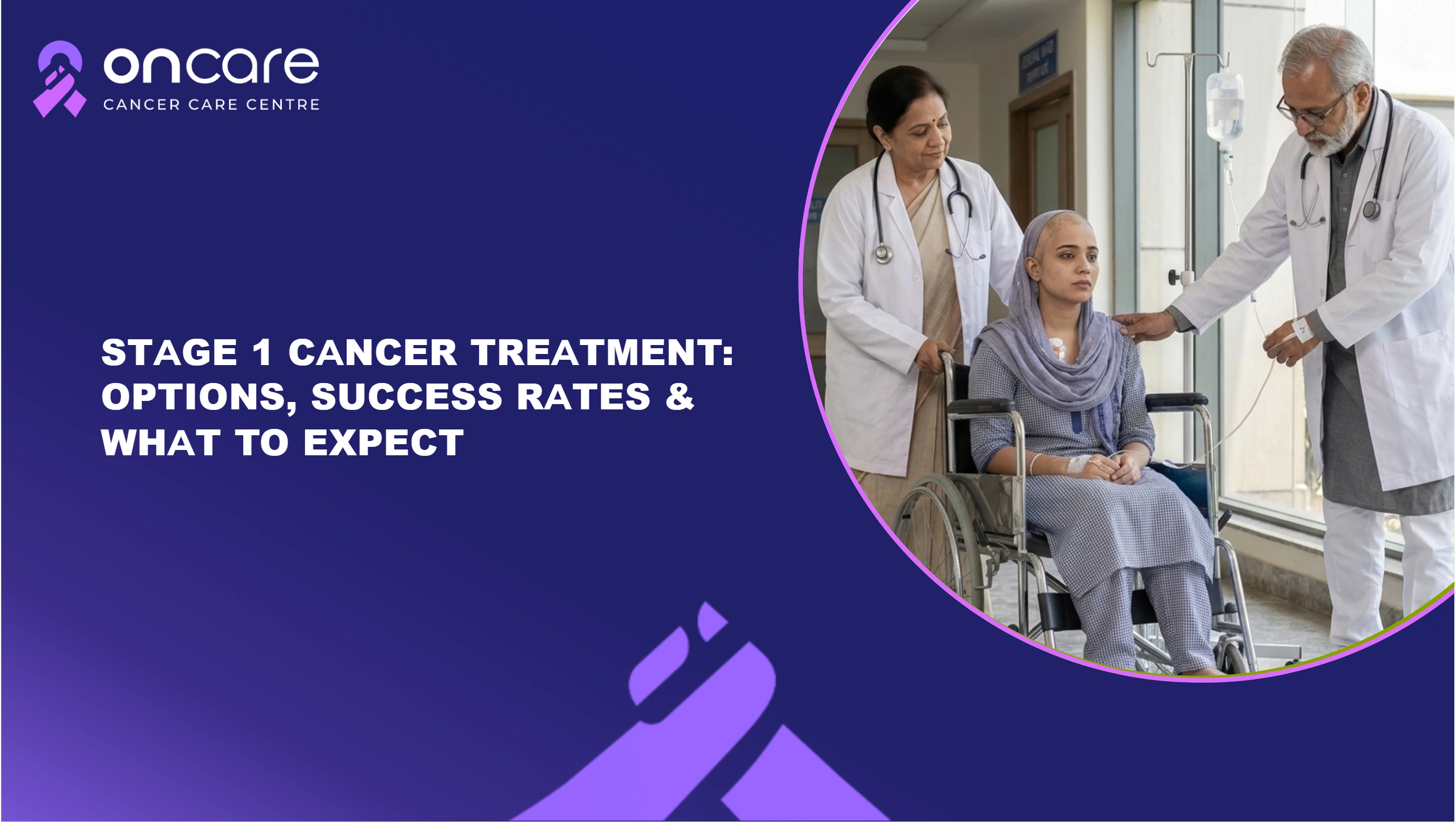
"Is it serious, or can it be fixed easily?" Even if cancer is found early, hearing the term can be quite scary. But Stage 1 cancer is often not what most people think it is. At this point, the cancer is usually tiny, in one place, and hasn't spread to other parts of the body yet. That's why the results of treatment are generally significantly better.
It's normal to have questions, though. What are the choices for treatment? How well do they work? How will the trip go? Knowing these things can help you feel less scared and clearer throughout a tough time.
We'll talk about what Stage 1 cancer is, the many treatment choices, their success rates, and what patients should expect during and after therapy in this post.
What does Stage 1 Cancer mean?
Stage 1 cancer is thought to be an early stage of the disease. This signifies that the tumor is tiny and hasn't migrated to neighboring lymph nodes or other organs.
The World Health Organization says that finding cancer early is very important for improving survival chances. When cancer is found in Stage 1, treatment is usually more successful and less harsh than when it is found in later stages.
Choices for treating stage 1 cancer
The type of cancer, where it is, and the patient's overall condition all affect the choice of treatment. But a lot of people employ a few standard methods.
Surgery
For Stage 1 cancer, surgery is often the first step in treatment. The goal is to get rid of the tumor completely before it can develop or spread. Surgery alone may be sufficient to address the issue in numerous instances.
Therapy with radiation
Radiation therapy kills cancer cells with high-energy radiation. It can be used as the main treatment when surgery isn't an option or after surgery to get rid of any cancer cells that are still there.
Chemotherapy
Chemotherapy is the use of chemicals to kill cancer cells. It is more often used in later stages, but it may be suggested in Stage 1 to lower the chance of the disease coming back.
Therapy that is aimed at a specific problem
Targeted therapy works on certain substances or pathways that cancer cells use to develop. It is a more accurate method that is commonly utilized based on the type of cancer.
Immunotherapy
Immunotherapy makes the body's immune system better at finding and killing cancer cells. More and more, it is being utilized to treat several types of early-stage cancer.
How well does treatment for stage 1 cancer work?
One of the best things about Stage 1 cancer is that treatment works so well. Because the cancer is found early, it is easier to treat and typically goes away on its own.
Depending on the type of cancer, the chances of survival can be different. However, many Stage 1 malignancies have a 5-year survival rate of 80% to 95% or even higher. Early therapy makes things much better and lowers the risk of the cancer coming back.
You can also get up-to-date and trustworthy information about cancer care and awareness in India at the Indian Council of Medical Research.
What to Expect While Getting Treatment
There are several things that all patients go through during Stage 1 cancer therapy, but each person's journey is unique.
Finding out what's wrong and making plans
After finding out what kind of cancer someone has and how far along it is, doctors design a treatment plan tailored for that person. This could involve tests, imaging, and meetings with experts.
Stage of Treatment
Patients may have surgery, radiotherapy, or other treatments while they are getting better. The length and strength depend on the approach that was chosen.
Effects on the Side
Side effects are usually not as bad in Stage 1 treatment as they are in later stages. Depending on the sort of treatment, some people may feel tired, have slight pain, or feel uncomfortable for a short time.
Getting better
The time it takes to recover varies, but most people can get back to their typical activities very soon. It's crucial to have follow-up care to keep an eye on development.
Looking at several treatment options
Type of Treatment | Purpose | When to Use It and What It Does | Restrictions |
|---|---|---|---|
Operation | Take out the tumor | Cancers in their early stages | A high rate of success / Needs time to heal |
Therapy with radiation | Kill cancer cells | After or before surgery | Not invasive / Could make you tired |
Chemo | Get rid of cancer cells | The cases that were chosen | Lessens the chance of recurrence / Possible side effects |
Therapy that targets | Focus on certain cells | Some cancers | More accurate / Not for all kinds |
Immunotherapy | Make the immune system work better | Some cases | A more advanced method / Not everyone may like it |
Emotional and Mental Parts
Getting a cancer diagnosis, especially at Stage 1, can be quite stressful. It's normal to be worried, perplexed, or anxious about the future.
It can help to talk to family, friends, or support groups. A lot of hospitals also include counseling services to help patients deal with their emotions while they are getting treatment.
Changes in Lifestyle After Treatment
After treatment, living a healthy life can help you get better and lower your chances of being sick again.
- Eat a healthy diet that includes a lot of fruits and vegetables.
- Keep moving around
- Don't smoke and drink only a little.
- Go to frequent follow-up appointments
- Use relaxation strategies to deal with stress.
When to Call Your Doctor Back
Follow-ups on a regular basis are an important element of cancer care. Doctors keep an eye on recovery and look for any signs of a return.
Patients are frequently told to make regular appointments for check-ups, imaging exams, and blood testing. Finding any changes early ensures that action is taken quickly.
Consult Today
Stage 1 cancer is frequently quite curable, and in many cases, it can be totally cured. Early detection is very important for making treatment work better and less complex.
You can make the trip easier by knowing what to expect, knowing what your treatment choices are, and keeping positive. Even though the diagnosis may seem scary at first, the outlook for Stage 1 cancer is usually fairly good.
If you or someone you care about has early-stage cancer, it's very important to get competent care. Oncare Cancer Hospital is noted for having competent doctors, modern treatment choices, and caring staff who work with cancer patients.





Frequently Asked Questions
Yes, many Stage 1 cancers are quite easy to treat and can often be cured if they are found early.
No, chemotherapy is not always necessary. Surgery or radiation alone can successfully treat many instances.
It varies depending on the kind of cancer and the treatment, but it usually doesn't last as long as later stages.
There is a chance, but the risk is usually low if you get the right treatment and follow-up care.
Written and Verified by:
Dr. Gajendra Kumar Himanshu Exp: 10 Yr
Medical Officer
Book an Appointment
Related Blogs
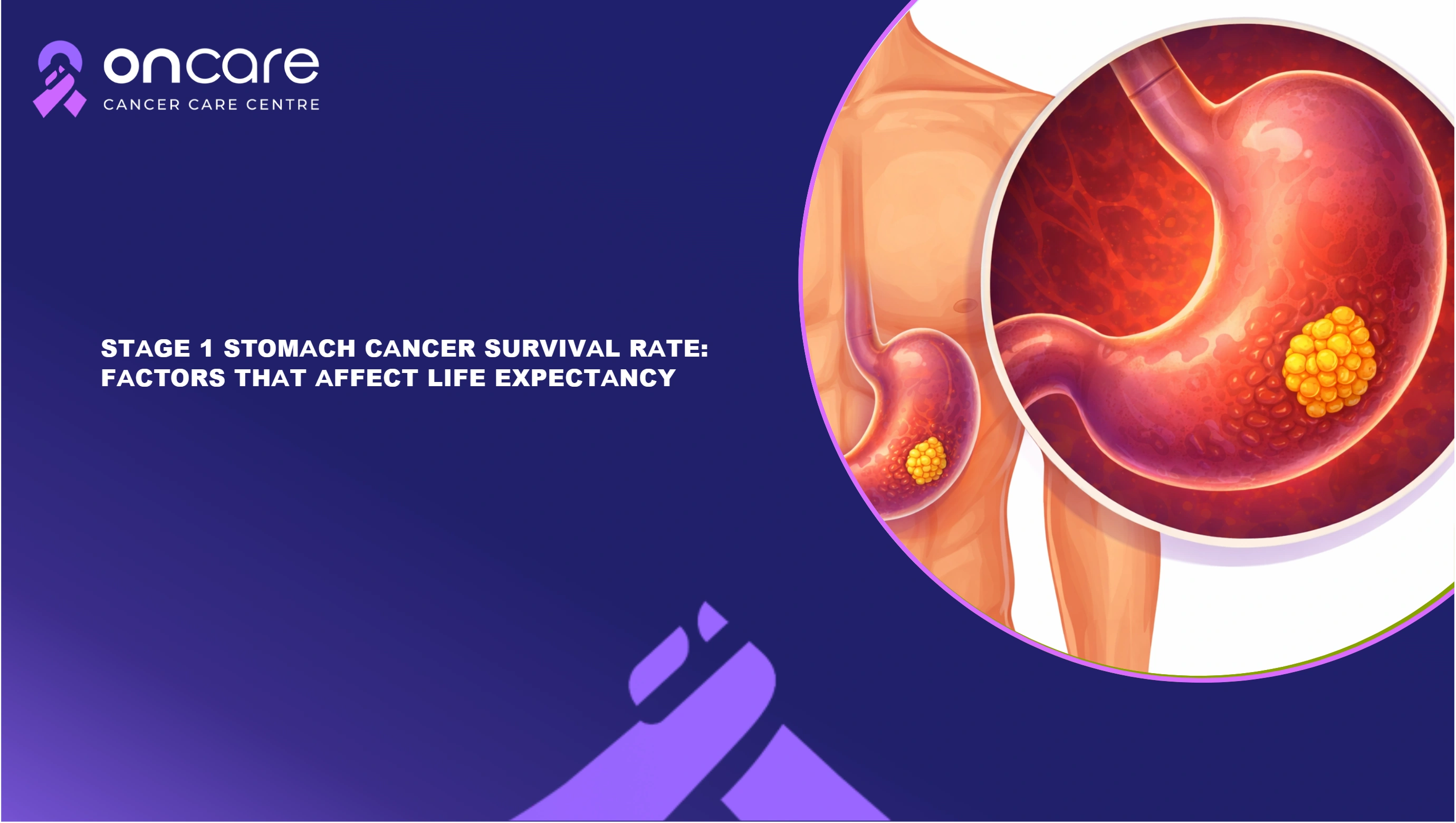
Stage 1 Stomach Cancer Survival Rate: Factors That Affect Life Expectancy
Early detection of stage 1 stomach cancer makes treatment easier. Learn about symptoms and treatment options. For expert care, consult Oncare Hospital today.
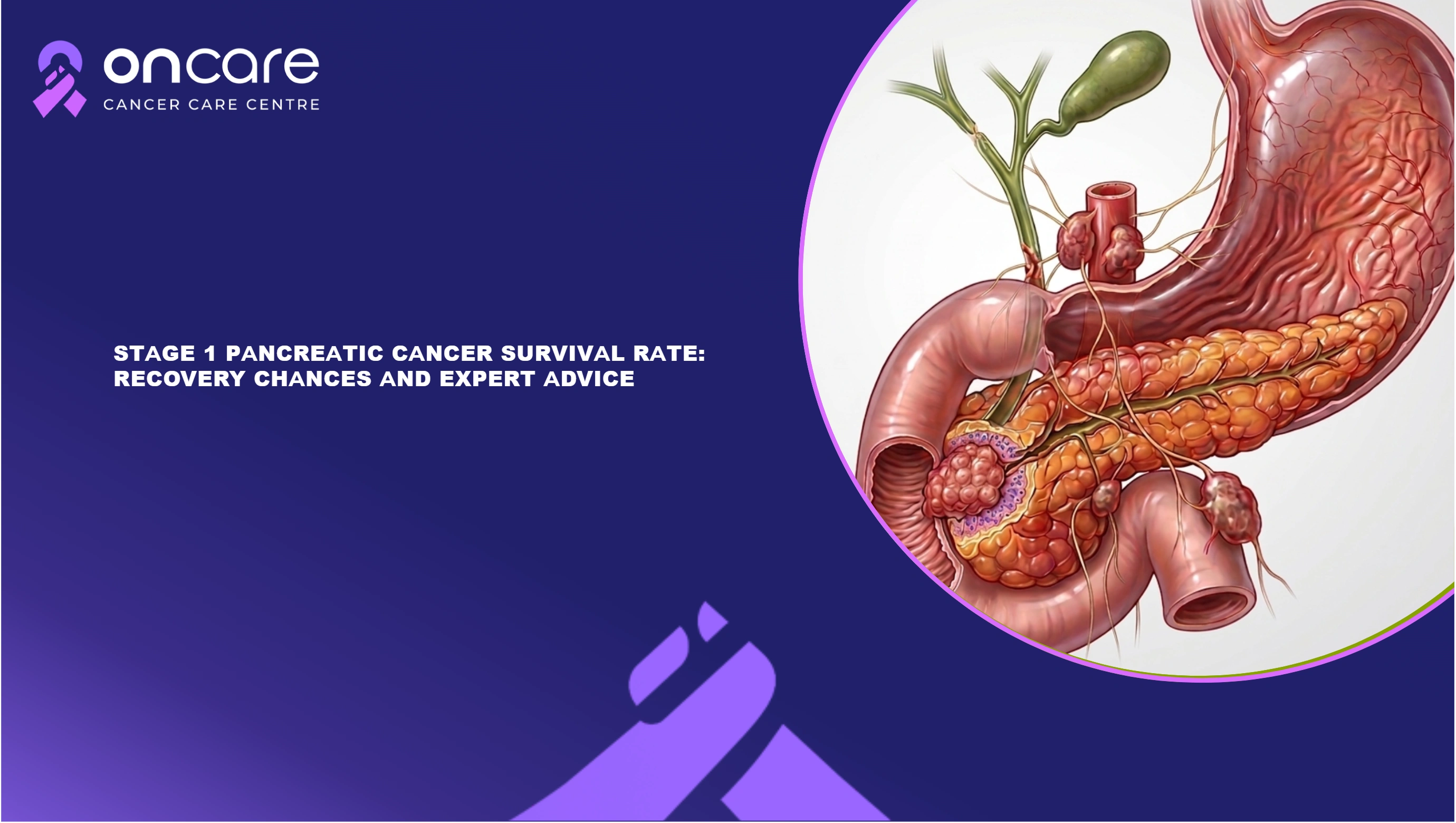
Stage 1 Pancreatic Cancer Survival Rate: Recovery Chances and Expert Advice
Learn about stage 1 pancreatic cancer survival rates, early diagnosis, and treatment options. Get expert care and support at Oncare Cancer Hospital today.
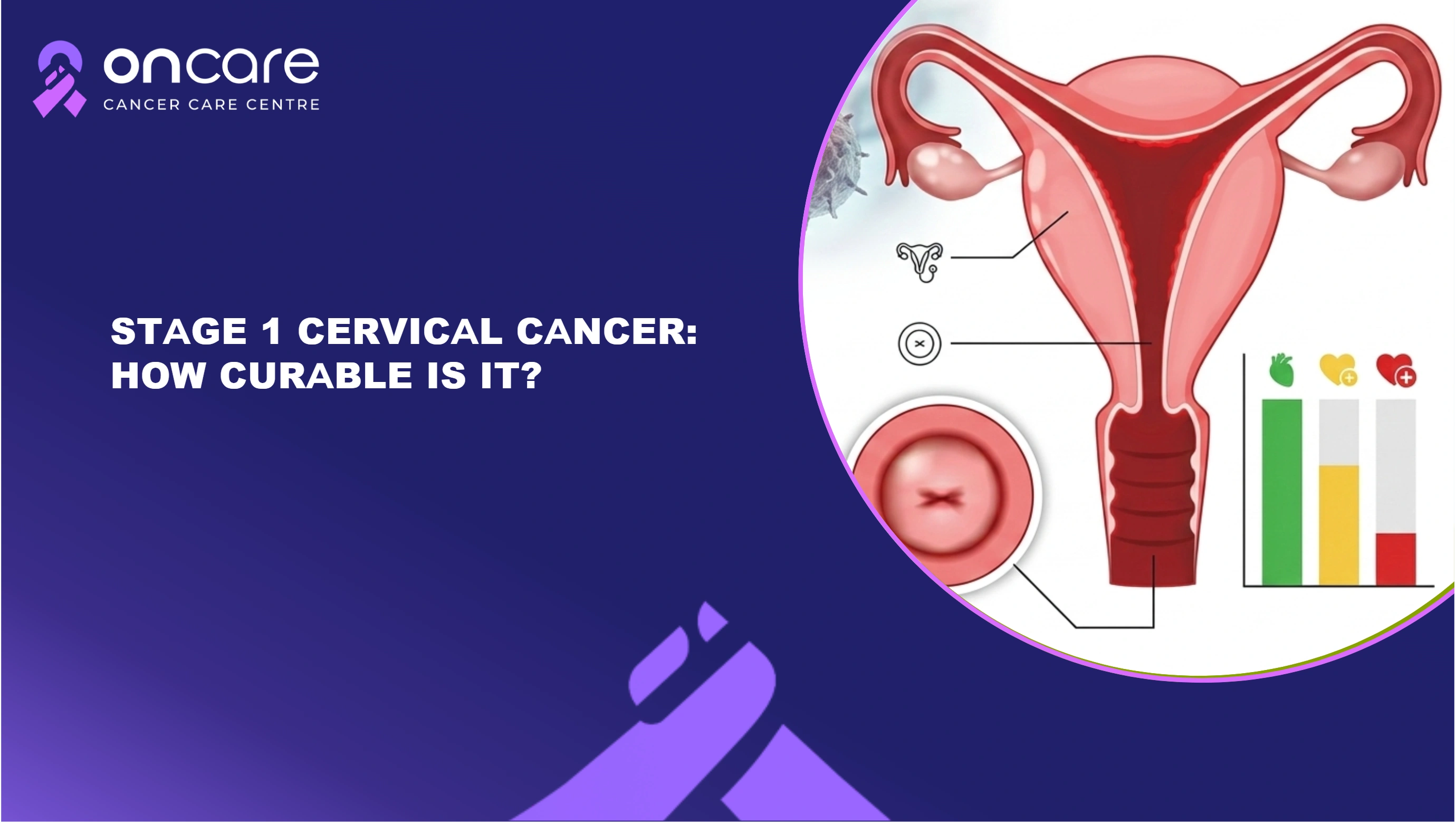
Stage 1 Cervical Cancer: How Curable Is It?
Discover stage 1 cervical cancer treatment options including surgery, radiation, and chemotherapy. Get expert care and personalized support at Oncare Hospital.
Stage 1 Oral Cancer Survival Rate: Facts vs Myths
Learn about the stage 1 oral cancer survival rate, early symptoms, myths, and treatment options. Get expert diagnosis and care at Oncare Cancer Hospital.