Table of Contents
Cancer in Young Adults (15-39): Why It's Different from Childhood or Adult Cancer

By Dr. Gajendra Kumar Himanshu


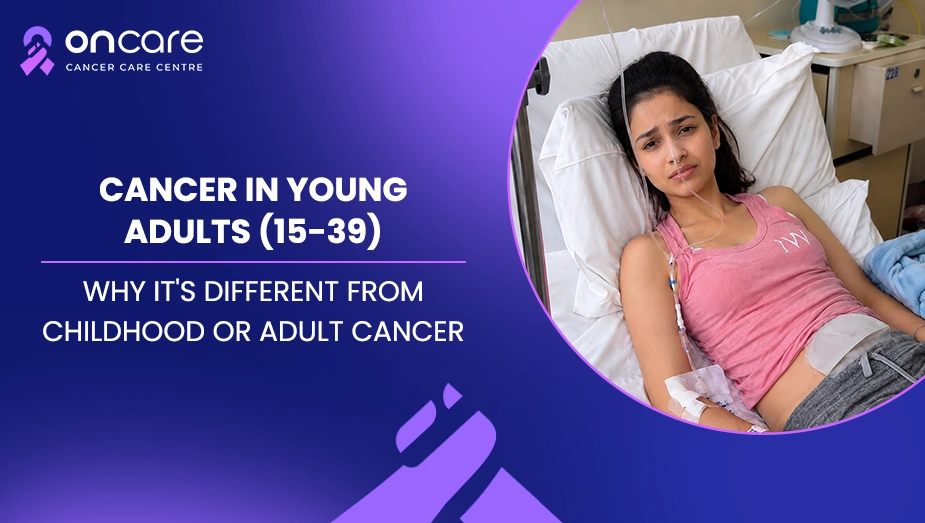
Cancer in young adults (ages 15 - 39 years) is generally distinct from childhood cancer and cancer in older persons. Sometimes called adolescents and young adults (AYA), this age group experiences distinct medical, emotional, social, and financial issues. Some cancers are more common in those years, and treatment decisions typically have to take into account schooling, employment, relationships, fertility, and long-term health.
Many young people do well with treatment, although their needs may be different from those of children or older individuals. Being aware of these distinctions allows patients and families to feel more informed, prepared, and supported during diagnosis, treatment, recovery, and survivorship. The optimum treatment technique relies on individual risk, family history, genetic testing findings, overall health and the doctor’s advice.
In this blog, we will discuss the specific aspects of cancer in young people, the most frequent forms of cancer in this age group, treatment considerations, emotional issues, and resources for support for patients and their families.
Understanding Cancer in Young People
Young adulthood involves substantial life transitions. Many in this age group are learning, developing professions, forming relationships, planning families, and becoming more autonomous.
A diagnosis of cancer at this stage may have implications beyond physical health. Young adult cancer may share traits with childhood cancers, adult cancers, or sometimes both. Therefore, therapy planning is generally an individualised process.
Why Young Adult Cancer Is Different
Many features distinguish cancer in young people from cancer in children or older persons.
Cancer Types
Some cancers are more frequent in young people than in other age groups. Examples can include:
- Hodgkin’s lymphoma
- Testicular cancer
- Thyroid cancer
- Malignant melanoma
- Breast cancer in young adulthood
- Some sarcomas
- Leukemia & lymphoma
The type of cancer typically determines treatment recommendations and follow-up care.
Life Stage Concerns
Young adults may be experiencing:
- Education
- Employment
- Relationships
- Financial liabilities
- Family planning objectives
These issues can affect treatment decisions and recovery planning.
Fertility Considerations
Many young individuals are worried about fertility in the future. Before therapy begins, your doctor might talk about:
- Options for fertility preservation
- Possible implications of treatment on fertility
- Future family planning goals
Preliminary discussions can assist patients in grasping options.
Common Problems in Treatment
Cancer treatment can take a toll on your physical and emotional health. Some young adults may be affected by:
- Tiredness
- Physical changes
- Issues of independence
- Anxiety about the future
- Money worries
- Interruption of education or work
Every person’s experience is distinct, and every person’s support needs are varied.
Common Challenges During and After Treatment
Life Area | Possible Problem |
|---|---|
Education | Disruptions in studies |
Careers | Time off work |
Fertility | Questions on future family planning |
Relationships | Social and emotional adjustments |
Mental health | Anxiety, uncertainty, or stress |
Physical wellbeing | Adverse consequences of therapy |
How Physicians Develop a Treatment Plan
Treatment depends on various essential elements. Healthcare teams might consider:
- Cancer type
- Cancer stage
- Age
- General health
- Family medical history
- Results of genetic testing
- Personal objectives
- Possible long-term effects
No two treatment programs are exactly alike. The ultimate decision should always be taken in consultation with the healthcare team.
The Need for Long-Term Follow-Up Care
Many young adults survive cancer treatment and go on to lead long, healthy lives. Follow-up care allows physicians to:
- Monitor recovery
- Watch for long-term side effects
- Support physical health
- Address emotional problems
- Discuss future health planning
Regular follow-up appointments are still a vital aspect of survivorship care.
Emotional Health Is Important Too
Cancer is not just a physical disease. Many young adults may experience:
- Shock at the diagnosis
- Concern about treatment
- Frustration at life changes
- Fear of what’s to come
- Isolation from friends or peers
These sentiments are normal.
Support could come from:
- Friends
- Family
- Cancer support organizations
- Advisors
- Social workers
- Medical staff
When issues are openly discussed, people generally feel better supported.
Getting Reliable Information and Support
Good information helps patients and families make decisions about treatment and recovery. The National Cancer Institute offers in-depth information to patients and caregivers on cancer, treatment options, survivorship, and supportive care.
Planning With Confidence
It can feel stressful to be diagnosed with cancer as a young adult, but many people complete treatment and continue with their lives. Advances in cancer care are continually improving treatment options and supportive services for young adults.
Each person’s scenario is unique. All treatment, fertility preservation, follow-up care, and survivorship decisions should be based on individual risk factors, family history, genetic testing results, overall health, and healthcare team recommendations.
Consult Today
Cancer in young adults is different from childhood cancer and from cancer in older individuals because it happens during a crucial time in life, when young adults are often focused on school, professions, relationships, and future family planning. Medical, emotional, social, and fertility issues may all play a part in treatment decisions. Grasping these specific obstacles might help patients and families feel more ready and supported in their cancer journey.
Oncare Cancer Hospital is a trusted name for expert guidance, comprehensive cancer care, and compassionate support through diagnosis, treatment, recovery, and survivorship.





Frequently Asked Questions
Young adults with cancer are usually people aged between 15 and 39.
Yes. Types of cancer, needs for treatment, and life issues are often varied.
Certain cancer treatments might impact fertility, which is why fertility preservation conversations are often advised before beginning treatment.
Follow-up care helps monitor recovery, manage long-term health, and promote general well-being after cancer treatment.
Written and Verified by:
Dr. Gajendra Kumar Himanshu Exp: 10 Yr
Medical Officer
Book an Appointment
Related Blogs
Rising Cases of Stomach Cancer in Young Adults: What You Should Know
Learn why stomach cancer is rising in young adults, its early symptoms, and prevention tips. Get expert guidance from Oncare Cancer Hospital for timely care.
Sarcoma in Adults: A Guide to Soft Tissue and Bone Sarcomas
Learn about soft tissue and bone sarcomas, symptoms, diagnosis, and treatment options with expert cancer care, support, and guidance at Oncare Cancer Hospital.
Stromal Ovarian Tumors in Young Women: Warning Signs
Discover more about stromal ovarian tumors and cancers and why young women need to be aware of key warning signs and symptoms to watch out for and when to consult a doctor!
Early-Onset Cancers in Young Adults: Understanding the Rising Incidence and Impact
Discover more about early-onset cancer and the causes of this cancer, types of cancer rising in adults, the role of family history, and its prevention in adults.