Table of Contents
What to Expect During a Mammogram or Pap Test: Patient Guide

By Prashant Baghel


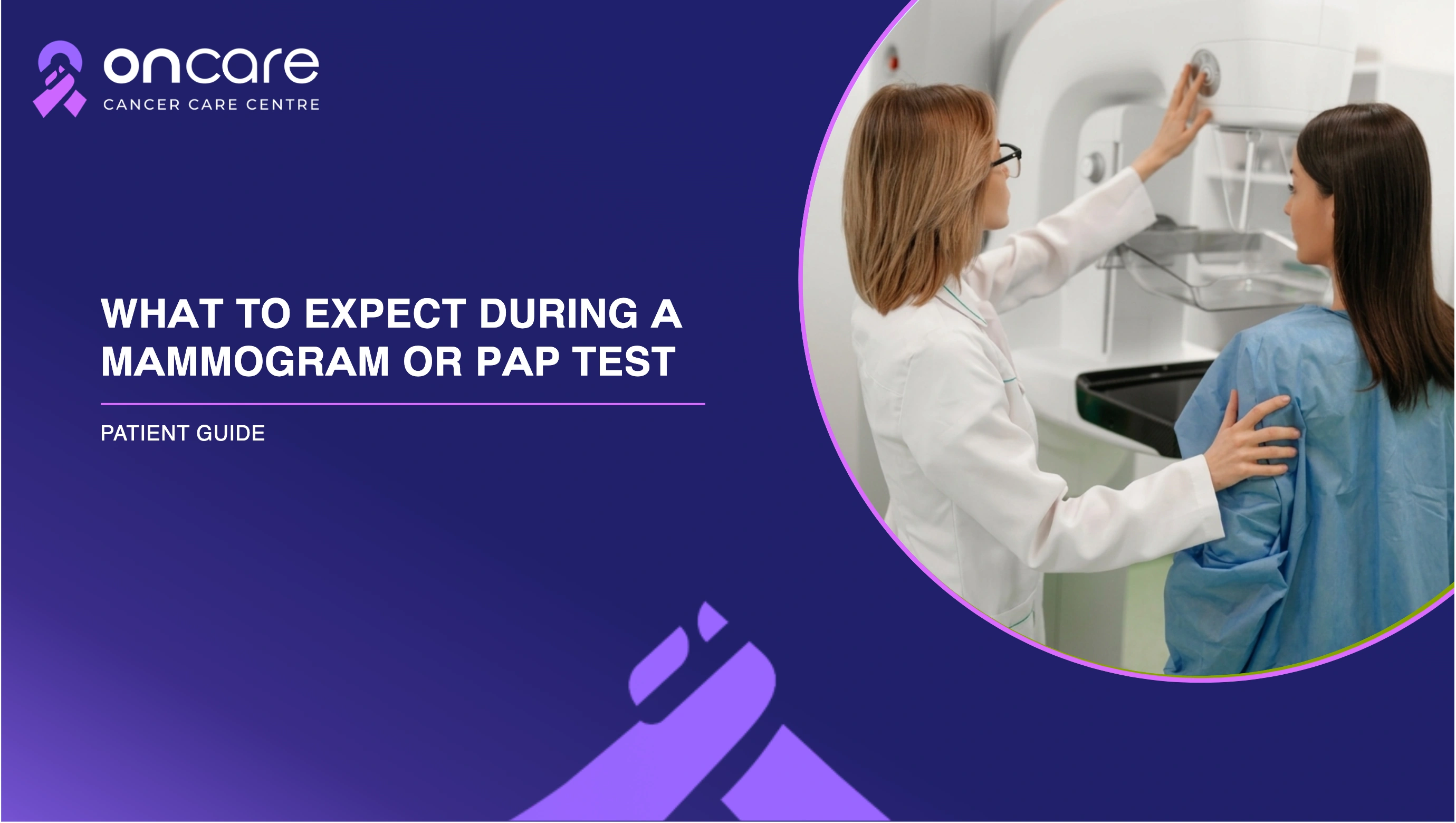
Have you ever felt nervous before a medical test because you did not know what would happen? Many women feel anxious when their doctor suggests a mammogram or a Pap test. The fear usually comes from not knowing what to expect. The good news is that both tests are simple, quick, and very important for early cancer detection. Understanding what to expect during mammogram or pap test can help you feel calm and prepared.
These screening tests are designed to find problems early, often before any symptoms appear. A mammogram checks for signs of breast cancer, and a Pap test checks for changes in the cervix that could lead to cervical cancer. In this guide, we will explain in very simple and friendly language what to expect during mammogram or pap test so you can walk into your appointment with confidence.
Why These Tests Are Important
Breast cancer and cervical cancer are among the most common cancers in women. When found early, treatment is usually easier and more successful. Screening tests are done even when you feel healthy because cancer in early stages may not cause pain or clear signs.
Knowing what to expect during mammogram or pap test helps remove fear. These tests are not meant to scare you. They are meant to protect you. Early detection can truly save lives.
Early Detection Makes Treatment Easier
When cancer is found early, it is often smaller and has not spread. This means doctors have more treatment options. Recovery is usually faster and less stressful.
Regular screening gives you peace of mind. Even if the results are normal, you will feel relieved knowing you took an important step for your health.
Who Should Get These Tests
Women above the age recommended by their doctor should start regular screening. Mammograms are usually suggested for women starting around age 40, depending on risk factors. Pap tests often begin in the early twenties.
Your doctor may recommend earlier testing if you have a family history or other risk factors. Talking openly with your healthcare provider is important.
What to Expect During Mammogram or Pap Test
Understanding what to expect during mammogram or pap test can make the experience smoother. Both procedures are done in a clinic or hospital by trained healthcare professionals. They usually take only a short time.
What to Expect During a Mammogram
A mammogram is an X-ray of the breast. When you arrive, you will be asked to remove clothing from the waist up and wear a hospital gown. It is best not to wear deodorant or lotion on the day of the test because it can affect the images.
During the test, a technician will place one breast at a time on a flat surface of the mammogram machine. Another plate will gently press down on the breast to spread the tissue. This pressure may feel uncomfortable, but it lasts only a few seconds.
The compression helps get a clear image. The machine will take X-ray pictures from different angles. The entire process usually takes about 15 to 20 minutes. Knowing what to expect during mammogram or pap test can help you stay relaxed during this brief pressure.
What to Expect During a Pap Test
A Pap test checks the cervix, which is the lower part of the uterus. During the test, you will lie on an exam table with your knees bent. The doctor or nurse will gently insert a small instrument called a speculum into the vagina to see the cervix.
You may feel slight pressure, but it should not be painful. The healthcare provider will use a small brush or spatula to collect a few cells from the cervix. This part takes only a few seconds.
The collected cells are sent to a laboratory for testing. The whole procedure usually takes less than 10 minutes. Understanding what to expect during mammogram or pap test makes the process feel less scary.
How to Prepare for the Tests
For a mammogram, try to schedule the test when your breasts are not tender, such as one week after your period. Wear comfortable clothes. Avoid using powders, perfumes, or creams on your chest area.
For a Pap test, avoid intercourse, douching, or using vaginal medicines for 24 to 48 hours before the test. It is also best not to schedule the test during your period.
Simple preparation can make what to expect during mammogram or pap test much easier.
After the Test
After a mammogram, you can return to your normal activities right away. There is no recovery time needed. Some women may feel slight soreness, but it usually goes away quickly.
After a Pap test, you may notice light spotting, which is normal. Results are usually available within a few days to a couple of weeks.
If anything unusual is found, it does not always mean cancer. Sometimes additional tests are needed for confirmation. Knowing what to expect during mammogram or pap test includes understanding that follow-up tests are common and not always serious.
Common Feelings and Concerns
It is normal to feel nervous before a screening test. Some women worry about pain. Others fear bad results. Talking to the healthcare provider about your concerns can help ease anxiety.
Most women find that the tests are quicker and less uncomfortable than they expected. Remind yourself that these screenings are a form of self-care.
When you understand what to expect during mammogram or pap test, you take control of your health instead of letting fear control you.
The Importance of Regular Screening
One test is not enough for lifelong protection. Regular screening as advised by your doctor is important. Even if your previous results were normal, continue going for check-ups.
Health guidelines may change based on age and risk factors. Staying informed and following medical advice ensures ongoing protection.
Learning what to expect during a mammogram or pap test is the first step toward building a healthy habit of regular screening.
Consult Today
Medical tests can feel scary when you do not know what will happen. But now you understand what to expect during a mammogram or pap test. Both procedures are quick, simple, and extremely important for early detection of breast and cervical cancer. They may cause slight discomfort, but they can protect your life.
Do not delay screening because of fear or embarrassment. Early detection gives you more treatment options and better chances of recovery. If you ever receive an abnormal result or need advanced care, choosing the right hospital matters.
Oncare Cancer Hospital offers expert diagnosis, advanced technology, experienced specialists, and compassionate care for women at every stage. Taking the first step with regular screening and choosing trusted medical support can make a life-saving difference.
Frequently Asked Questions
A mammogram may feel uncomfortable for a few seconds due to pressure, but it is usually not very painful.
A Pap test usually takes less than 10 minutes.
Yes, you can return to your normal activities immediately after both tests.
An abnormal result does not always mean cancer. Your doctor may suggest further tests for confirmation.
Book an Appointment
Related Blogs
AFP Test for Liver Cancer Screening: Accuracy & Limitations
AFP test helps detect liver cancer early and monitor liver health. Learn about the AFP tumor marker test cost in India and accuracy at Oncare Cancer Hospital.
Can the Galleri Test Detect Cancer Before Symptoms Appear?
Galleri cancer test detects multiple cancers early from a simple blood sample. Learn about galleri test cost, price in India, and guidance at Oncare Hospital.
Is a Mammogram Painful? What to Expect During Breast Screening
Learn about mammogram tests for early breast cancer detection, procedure, pain, and cost in India. Get expert care and advanced technology at Oncare Hospital.
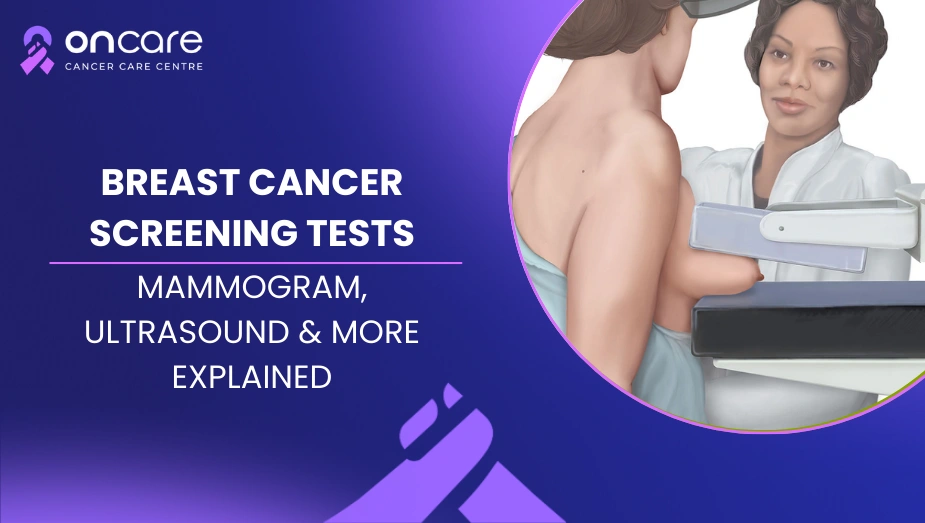
Breast Cancer Screening Tests: Mammogram, Ultrasound & More Explained
Learn about screening tests for breast cancer, mammograms, and the breast cancer blood test. Visit Oncare Cancer Hospital for expert care today.