Table of Contents
5 Warning Signs of Prostate Cancer You Shouldn’t Ignore

By Prashant Baghel


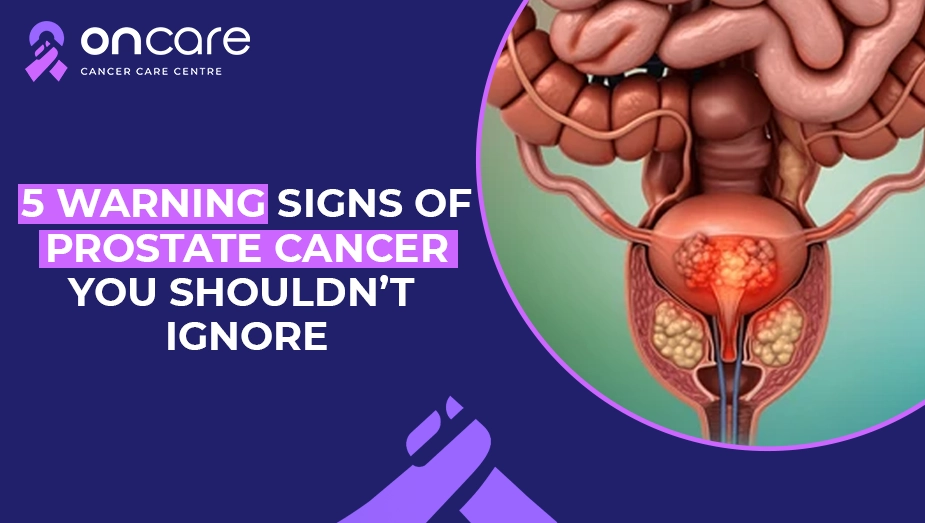
Prostate cancer is one of the most common types of cancer in men, but a lot of people don't know what the early signs are. You may think that only other men get prostate cancer, but it can happen to anyone, especially men over 50. It's important to ask, "What are the 5 warning signs of prostate cancer?" because knowing them could save your life. Finding out about a problem early on gives you a much better chance of getting better and getting treatment.
Learning About Prostate Cancer
The prostate is a small gland that sits in front of the rectum and below the bladder. It makes fluid that is in semen. When cells in the prostate grow in an unusual way and form a tumor, this is called prostate cancer. This type of cancer usually grows slowly, so it might not show clear signs at first. But finding it early can make a big difference in how well treatment works and how many people survive. Men who have had prostate cancer in their family, African-American men, or men with certain genetic mutations are more likely to get it.
Going to the Toilet a Lot
Frequent urination is one of the first signs that something might be wrong with the prostate. Men may find that they need to use the toilet more often during the day or even get up at night to go. The tumour can push on the urethra, which is the tube that carries urine out of the body. If you suddenly start going to the toilet more or less often, you should talk to your doctor. This is one of the main answers to the question, "what are the 5 warning signs of prostate cancer?"
Hardship Beginning or Stopping Urination
Having trouble starting or stopping urination is another early sign of prostate cancer. Some men may suddenly need to go but can't, or they may notice that their urine flow is weak or stops and starts. This can be annoying and painful. The prostate surrounds the urethra, and when it gets bigger or has a tumour, it can block the normal flow of urine. These changes are an important early warning sign that men should not ignore.
Pain or Discomfort
If you have pain or discomfort in the lower back, hips, or pelvis, it could also be a sign of prostate cancer. Men may feel pain when they pee or ejaculate. Pain can come from a lot of different things, but if you have urinary problems along with it, it could be a sign of prostate issues. It's important to pay attention to your body and write down any pain that doesn't go away. This symptom is another one of the five warning signs of prostate cancer.
Blood in Semen or Urine
Seeing blood in your urine or semen can be scary. This symptom doesn't always mean cancer, but you should never ignore it. In urine, blood may look pink or red, and in semen, it may look darker than usual. These changes happen when the tumour affects the prostate's blood vessels. Men who see these signs should go to the doctor right away. This is the fourth most important sign of prostate cancer, and it's very important to find problems early.
Problems with Sex or Erectile Dysfunction
Prostate cancer can also have an effect on sexual health. Men may have trouble getting or keeping an erection, feel pain when they ejaculate, or lose interest in sex. These problems can happen if the cancer affects the nerves and blood vessels that are important for sexual function. If you have sexual problems along with other urinary or physical symptoms, it could mean you have prostate problems. This is the end of the answer to the question, "what are the 5 warning signs of prostate cancer?"
Things to Think About When It Comes to Risk
Knowing what puts you at risk can help you take better care of your health. Men over 50, men with a family history of prostate cancer, and African-American men are more likely to get it. Lifestyle choices, like being overweight, not exercising, or eating poorly, can also raise the risk. Knowing about these things makes people more likely to get regular checkups and screenings early.
Why Screening Is Important
Screening is very important for finding prostate cancer early. Blood tests like the PSA (Prostate-Specific Antigen) test and digital rectal exams can help doctors find problems before they cause symptoms. Regular screenings are very important for men who are more likely to get cancer. You can find cancer when it's most treatable by combining self-awareness with professional screening.
Keeping an Eye on Yourself at Home
Men can also look for the signs listed above in themselves. Be aware of any changes in your urination, pain, or sexual health. Keeping a simple record of your symptoms over time can help you see patterns. Doctors can act quickly when they see changes early on.
Choices for a Healthy Lifestyle
A healthy lifestyle might not completely stop prostate cancer, but it can lower your risk and make you healthier overall. It's good for you to eat a balanced diet with lots of fruits and vegetables, work out regularly, not smoke, and drink only a little. These steps will make your body stronger and help you see changes sooner.
Emotional Effect
It can be hard to learn about prostate cancer. It's normal to feel worried or anxious when you see changes in your body. Getting help from a doctor, family, or a support group can help you deal with things. Being emotionally strong can help you stick to your treatment plans and stay positive while you're getting care.
Choices for Treatment
The type, stage, and overall health of the person with prostate cancer will determine how they are treated. Surgery to remove the prostate, radiation therapy, hormone therapy, or chemotherapy are all possible treatments. Finding the problem early means that treatments are less invasive and recovery is better. Hospitals that focus on cancer care have the knowledge and the latest treatments to help patients get better.
After Treatment
Regular follow-ups are important after treatment. To make sure the cancer hasn't come back, doctors may suggest PSA tests, imaging scans, and physical exams. Taking care of yourself after the initial treatment is important for your long-term health and peace of mind.
Consult Today
To find prostate cancer early and treat it successfully, you need to know what are the 5 warning signs of prostate cancer. Men should pay attention to these signs: frequent urination, trouble starting or stopping urination, pain or discomfort, blood in urine or semen, and erectile dysfunction. Men can increase their chances of finding prostate cancer early by keeping an eye on their own health, making healthy choices, and going to the doctor regularly. Oncare Cancer Hospital gives patients the best chance to get better and live a better life by offering expert care, advanced screening, personalised treatment plans, and caring support.
Frequently Aske Questions
The first signs can be needing to urinate a lot, having trouble starting or stopping urination, pain, blood in urine or semen, and problems with sex.
Men over 50 should get checkups on a regular basis. Men who are more likely to get it, like African-American men or those with a family history, may start earlier.
Yes, eating well, working out, not smoking, and drinking less alcohol can all lower your risk and make you healthier overall.
Yes, finding cancer early makes it much more likely that treatment will work, with options like surgery, radiation, or hormone therapy.
Book an Appointment
Related Blogs
What is Prostate Cancer: A Complete Guide for Men’s Health Awareness
Learn what prostate cancer is, its symptoms, risk factors, and how early detection helps. Understand treatment choices and steps to protect your prostate health.
Prostate Cancer Surgery: What to Expect Before, During, and After
Discover what to expect before, during, and after prostate cancer surgery. Learn about preparation, recovery, common side effects, and post-surgery care.
Prostate Carcinoma Stages and Prognosis Explained
Know about prostate carcinoma, its early symptoms, Gleason score, treatment, and prognosis, a clear guide to help you understand and manage prostate cancer.
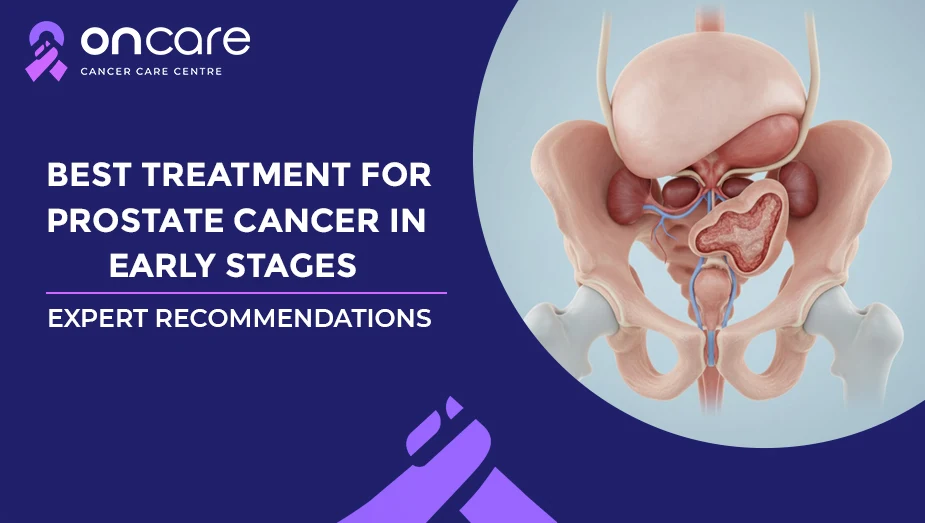
Best Treatment for Prostate Cancer in Early Stages: Expert Recommendations
Discover more about prostate cancer in early stages and key characteristics, recommended treatment options, and what to think about while choosing the treatments!