Table of Contents
Sugar and Cancer: Separating Myths from Facts

By Dr. Gajendra Kumar Himanshu


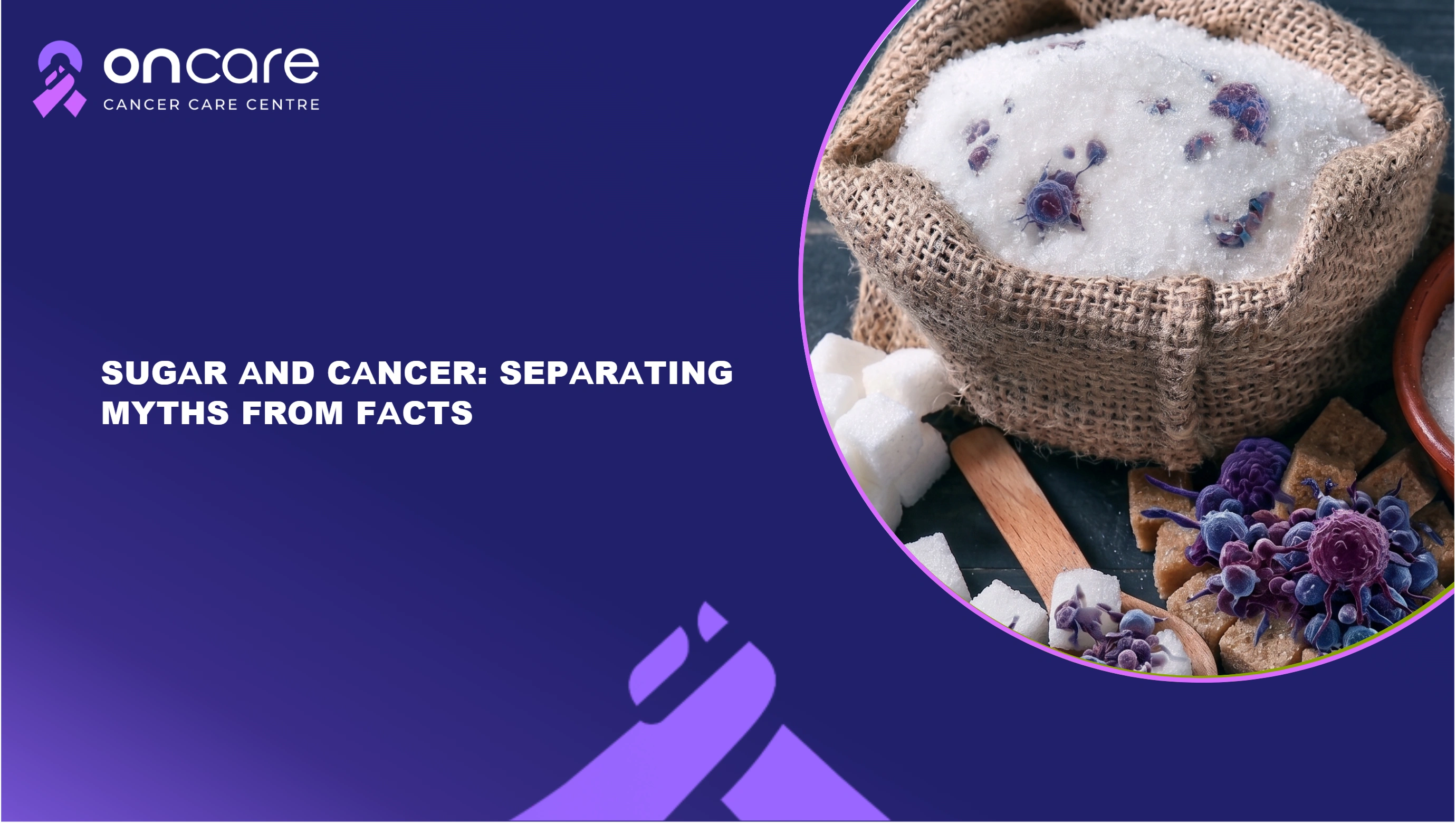
Many people believe that sugar directly feeds cancer or causes cancer to grow faster. Cancer cells do use glucose for energy, but healthy cells in the body also require glucose to function properly. Scientific evidence does not show that completely removing sugar from the diet can prevent or cure cancer. The body naturally converts many foods such as fruits, rice, bread and carbohydrates into glucose for energy.
However, consuming excessive added sugar over time may contribute to obesity, diabetes and inflammation, which are linked to a higher risk of certain cancers. This does not mean sugar itself causes cancer, but maintaining balanced nutrition and a healthy lifestyle is important for overall wellbeing and cancer prevention.
In this blog we will discuss common myths about sugar and cancer, what scientific research actually says, healthy eating habits during treatment and how patients can maintain balanced nutrition safely.
Understanding The Relationship Between Sugar And Cancer
Sugar is a type of carbohydrate that the body uses for energy. Glucose is required by all cells, including healthy cells and cancer cells. One common misconception is that sugar alone directly fuels cancer growth because cancer cells grow quickly and need energy.
Researchers explain that completely avoiding sugar does not stop cancer growth because the body can naturally produce glucose from proteins and other nutrients. Patients may also refer to the National Cancer Institute for trusted nutritional guidance and healthy eating practices.
Common Myths About Sugar And Cancer
- Sugar directly causes cancer
- Cancer can be cured by completely avoiding sugar
- Cancer patients should stop eating all carbohydrates
- Natural sugar acts exactly like processed sugar
- Occasional sweets always worsen cancer
What Scientific Research Actually Says About Sugar Consumption
Research shows there is no direct evidence that moderate sugar intake alone causes cancer growth. However, excessive consumption of sugary foods and beverages may increase obesity and metabolic disorders, which can indirectly raise cancer risk over time.
Why Balanced Nutrition Matters More Than Extreme Restriction
Cancer treatment often causes side effects such as weakness, appetite loss and weight changes. Completely avoiding carbohydrates or sugar without medical supervision may lead to low energy levels and poor nutrition.
- Eat balanced meals with enough calories
- Choose whole foods over ultra-processed foods
- Reduce sugary drinks and processed sweets
- Maintain a healthy body weight
- Include fruits, vegetables, proteins and healthy fats
Natural Sources Of Sugar Can Still Be Part Of A Healthy Diet
Natural sugars found in fruits, milk and whole foods also provide vitamins, minerals and fibre. These foods are generally healthier choices compared to heavily processed sugary snacks and drinks.
Foods That May Support Balanced Nutrition During Cancer Treatment
Type of Food | Examples | Benefits |
|---|---|---|
Natural sugar sources | Fruits and milk | Provide nutrition and energy |
Protein-rich foods | Paneer, dal, eggs and tofu | Support tissue repair |
Whole grains | Brown rice, oats and roti | Provide stable energy |
Hydrating foods | Soups and coconut water | Help maintain hydration |
Healthy fats | Nuts and seeds | Support strength and recovery |
Why Cancer Patients Should Avoid Extreme Diet Trends
Many cancer patients come across strict anti-sugar diets online that make unsupported health claims. Removing all sugar or carbohydrates without professional guidance may result in fatigue, nutritional deficiencies and unhealthy weight loss.
Healthy Eating Habits During Cancer Treatment
- Eat small and frequent meals
- Prefer fresh homemade food
- Drink enough water throughout the day
- Limit processed foods and sugary beverages
- Include fruits and vegetables regularly
- Consult an oncology dietitian for personalised guidance
How Good Nutrition Supports Recovery During Cancer Care
Balanced nutrition helps maintain immunity, energy levels, tissue healing and overall wellbeing during cancer treatment. A healthy diet may also help patients tolerate treatment side effects better and improve quality of life.
Caregivers should monitor signs such as unexpected weight loss, poor appetite or difficulty eating, as these issues may require professional nutritional support and medical attention.
Consult Today
The belief that sugar alone causes or feeds cancer is one of the most common myths related to cancer nutrition. Scientific evidence shows that balanced eating habits and a healthy lifestyle are far more important than completely eliminating sugar from the diet. Cancer patients should follow medical advice and avoid extreme food restrictions that may weaken the body during treatment.
Oncare Cancer Hospital is known for providing advanced cancer treatment, nutritional support and compassionate patient-focused care throughout the treatment journey.





Frequently Asked Questions
No, there is no scientific evidence proving that sugar directly causes cancer.
Most patients do not need to eliminate all sugar unless specifically advised by their doctor.
Yes, fruits contain natural sugars along with vitamins, minerals and fibre that support overall health.
Obesity may contribute to inflammation and hormonal imbalance, which can increase the risk of certain cancers over time.
Written and Verified by:
Dr. Gajendra Kumar Himanshu Exp: 10 Yr
Medical Officer
Book an Appointment
Related Blogs
How Serious Is Stage 4 Colon Cancer? Key Facts Explained
Learn about stage 4 colon cancer, its symptoms, and treatment options. Get expert care and support at Oncare Hospital to manage stage 4 colon cancer effectively.
How Quickly Does Stomach Cancer Progress? Key Facts You Should Know
Learn how fast stomach cancer can grow and spread, signs to watch, and treatment options to slow it. Get expert care at Oncare Hospital for early detection.
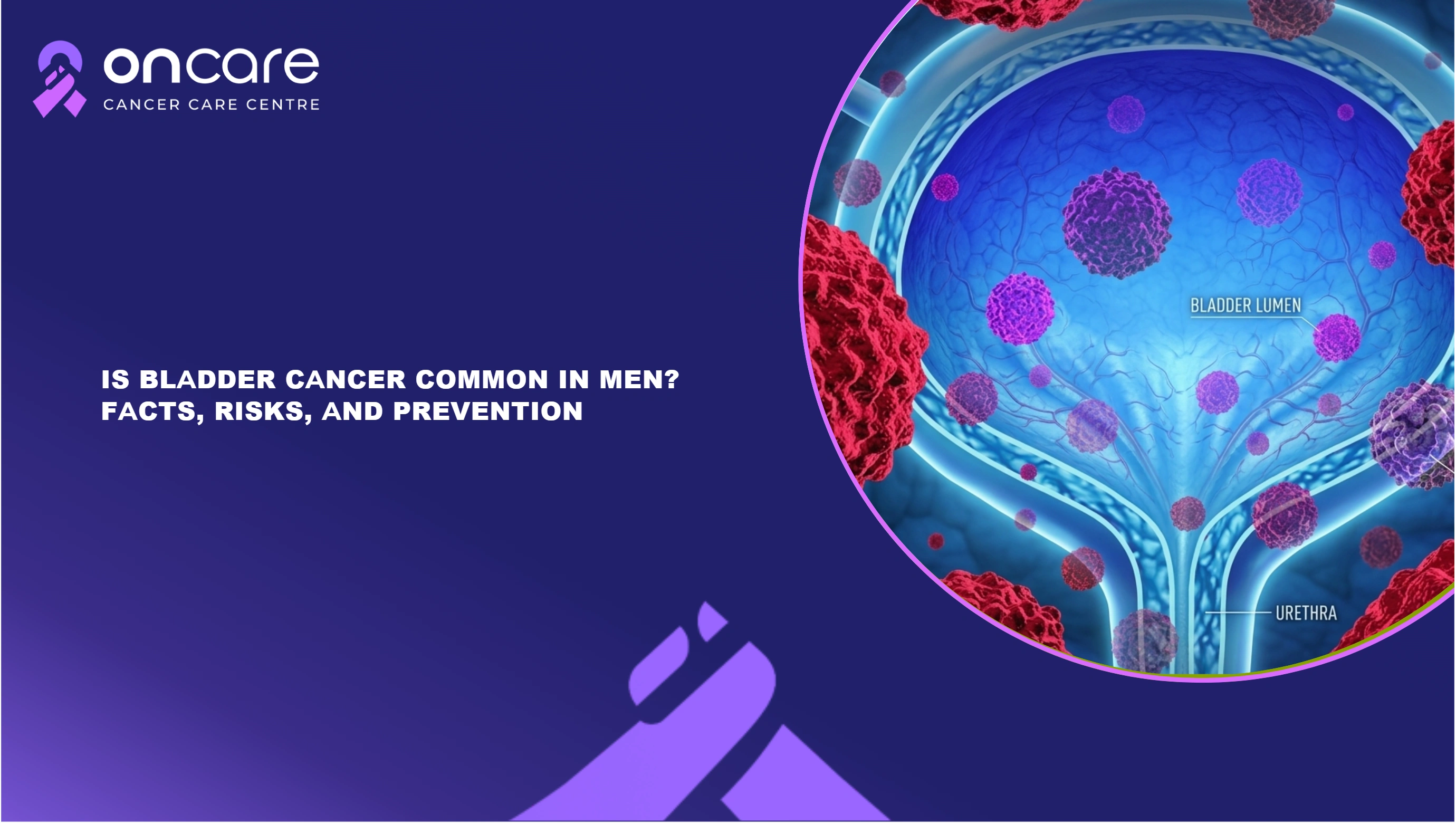
Is Bladder Cancer Common in Men? Facts, Risks, and Prevention
Learn about bladder cancer in men, its symptoms, causes, and prevention. Consult experts at Oncare Cancer Hospital for advanced diagnosis and treatment.
Does PCOS Lead to Ovarian Cancer? The Facts You Need to Know
Learn the facts about PCOS and ovarian cancer. Understand the small risk and steps to stay healthy. Regular checkups and lifestyle changes can lower your risk.