Table of Contents
Stomach Cancer Test Guide: From Endoscopy to Biopsy

By Prashant Baghel


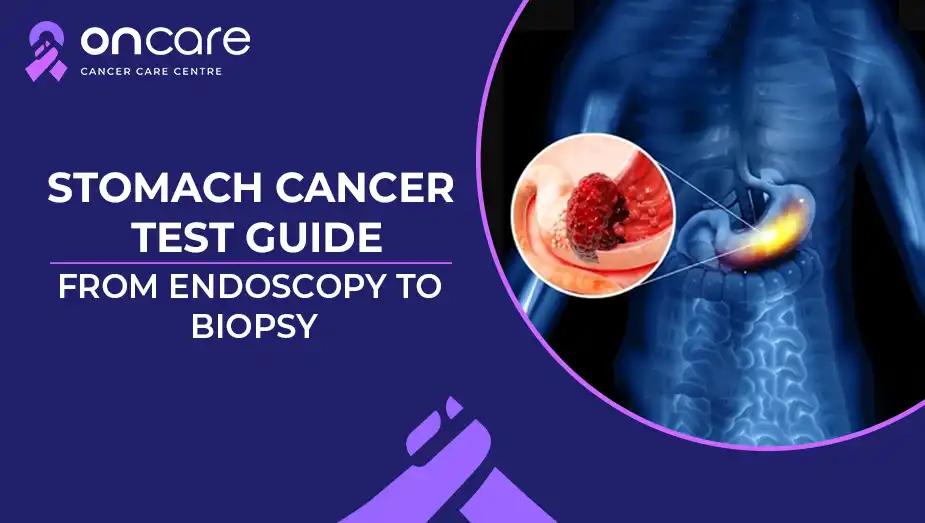
It doesn't happen all of a sudden that you get stomach cancer. It starts off slowly and gets worse over time, typically without any visible indicators at first. Many people don't notice early indicators because they think they are just regular stomach problems, including gas, acidity, or bloating. That's why it's crucial to know about stomach cancer screenings. A stomach cancer test lets doctors look inside the body and discover the disease before it gets worse. The sooner you find out you have cancer, the greater your odds of being able to treat it.
If you know how the stomach cancer test works, you could feel less terrified and confused. A lot of people feel scared when they hear the words "endoscopy" or "biopsy," but these tests are not as hard as they sound. If you know how things function, you'll feel more sure of yourself and ready.
Why it's vital to check for stomach cancer
Testing is a big element in finding things early. Stomach cancer develops and grows slowly in the lining of the stomach. At first, the symptoms are minimal or don't happen at all. Some people feel a bit nauseous, have a stomachache, or lose their appetite, but these indicators are easy to notice.
A stomach cancer test lets doctors see things that the eyes can't. It displays what the stomach really looks like and helps discover infections, growths, or ulcers that aren't normal. Finding cancer early makes it easier to treat and more likely to work.
People who have had stomach problems for a long time, have a family history of stomach cancer, have certain infections like H. pylori, or have lifestyle factors like smoking or drinking too much alcohol, may need to be checked. People who have stomach problems that won't go away should still see a doctor, even if they don't have any of these things.
When You Get Tested for Stomach Cancer
There are a few different tests for stomach cancer. It is a series of actions that assist doctors in understanding what is happening in the stomach. The most common and important tests include endoscopy, imaging scans, and biopsies. Every test has a purpose and gives you different kinds of information.
Most of the time, the initial step in the testing process is to see a doctor. The doctor will ask you about your symptoms, how long you've had them, your way of life, and your medical history. The doctor utilises this information to figure out which tests are needed.
The First and Most Important Test: What Endoscopy Is
Endoscopy is the most common and accurate way to test for stomach cancer. A small camera on the end of a thin, flexible tube lets the doctor see inside your stomach. This is a tube for an endoscopy. It is gently placed in the mouth and then led down the throat to the stomach.
A lot of people are scared of this test because they assume it will hurt. But the truth is that endoscopy is safe, quick, and usually doesn't hurt. Before the test, the doctor might spray a medication that numbs your throat. Sometimes, a light sedative is administered to help you feel better and relax. You might not recall much of what happened after the procedure.
During the endoscopy, the camera captures clear photographs of the food pipe, stomach, and upper intestine. The doctor can see any unusual growth, oedema, inflammation, or sores. If anything seems off, the doctor will take a small sample of tissue for additional tests. This is called a biopsy.
Endoscopy can discover cancer early that can't be seen from the outside. Finding out if someone has stomach cancer is the most crucial thing to do. Endoscopy is an important aspect of any stomach cancer test because of this.
The biopsy is the test that shows the diagnosis is correct.
A biopsy is part of the endoscopic process. If the doctor notices something abnormal, they carefully pull out a small piece of tissue. They send the sample to the lab, where experts examine it under a microscope.
A biopsy is the only test that can tell for sure if you have stomach cancer. Even if scans or symptoms suggest malignancy, doctors use biopsy data to make the final diagnosis. This is because the biopsy tells what kind of cancer cells are there, how they grow, and what they look like.
A lot of people are afraid when they hear the word "biopsy," but it's a short and safe test. You won't feel the tissue being removed. The endoscope has small tools that take the sample without injuring you.
A biopsy lets doctors find out if the strange cells are malignant, precancerous, or not hazardous. It also helps you decide what to do next. The biopsy verifies the results, which means that the stomach cancer test is complete.
The Role of Imaging Scans in Testing
Doctors may use imaging tests in addition to endoscopy and biopsy to get a better idea of what's going on inside the body. These scans check to see how big the tumour is and if it has spread to other parts of the stomach or nearby organs.
CT scans, MRI scans, and ultrasound scans are all types of imaging scans that are often used. These tests don't hurt, and all you have to do is lie still while the machine takes pictures. Imaging helps make treatment plans after a biopsy comes back positive.
Imaging alone cannot confirm cancer, but it is important for figuring out how far along the disease is and whether it has spread beyond the stomach. This makes imaging an important supportive part of the stomach cancer test.
Blood Tests and Why They're Important
Blood tests are also part of the process of testing for stomach cancer. These tests don't directly find cancer, but they do show how healthy your body is overall. Blood tests can show signs of infection, inflammation, or anaemia. They also help doctors figure out how well your organs are working.
Doctors check for tumour markers from time to time. These are unique proteins that might grow when cancer is present. Tumour markers aren't always accurate, though, so they shouldn't be used on their own.
Doctors can make a safer and more effective treatment plan with the help of blood tests. They form an important background part of a complete stomach cancer test.
Testing for H. pylori and why it matters
This kind of bacteria, H. pylori, gets into the lining of the stomach. It is one of the most common reasons for stomach ulcers, and if it isn't treated, it can raise the risk of stomach cancer. Doctors often look for H. pylori when they are looking for stomach problems because of this.
You can take the test by breathing, having a bowel movement, or having blood drawn. If the doctor finds H. pylori, they usually give you medicine to get rid of the infection. Taking care of this infection lowers the chance of complications in the future. For many people, this is the first step before a full stomach cancer test.
When to Get a Test for Stomach Cancer
A lot of people wait too long to see a doctor. They try home remedies or think that their pain is caused by stress, spicy food, or too much acid. But not paying attention to symptoms for months can make it take longer to get a diagnosis.
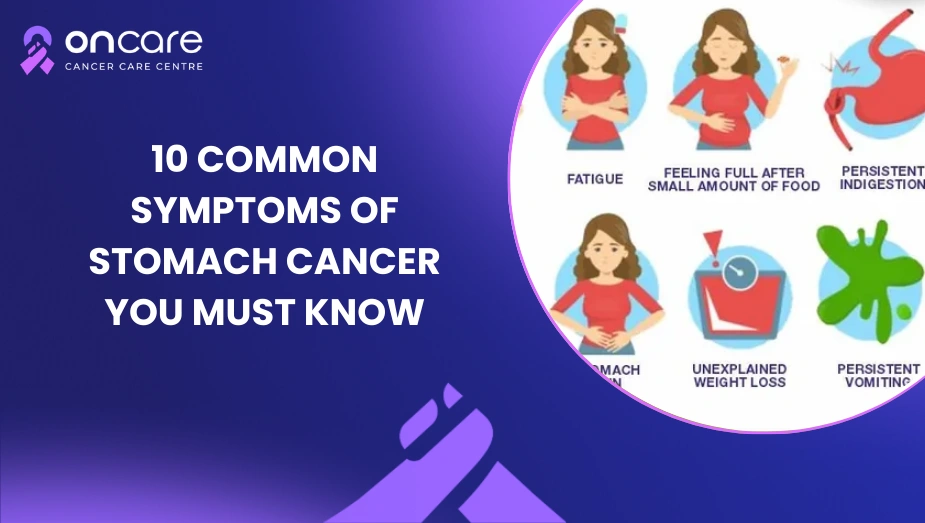
If you have symptoms like long-term indigestion, throwing up a lot, always feeling bloated, losing weight for no reason, not wanting to eat, or stomach pain that doesn't get better, you should think about getting a stomach cancer test. You should get tested right away if you have trouble swallowing or see blood in your vomit or stool.
Testing early is always better than testing late. It gives you peace of mind and helps you find problems before they get worse.
After the Test, What Happens
The doctor looks over all the results after the stomach cancer test is done. If everything looks normal, you might be told to keep an eye on your symptoms or change your way of life. The doctor will talk about treatment options if the biopsy or imaging shows cancer or cells that are close to cancer.
The stage of the cancer will determine how it is treated. Surgery or endoscopic removal may be used to treat cancer in its early stages. Advanced cases may necessitate a combination of chemotherapy, targeted therapy, or alternative treatments.
Testing is the most important part of good treatment. The right treatment can't start until the right diagnosis is made.
How to Get Ready for a Stomach Cancer Test
Getting ready is easy. You will probably have to fast for a few hours before most tests. This is very important for endoscopy because the stomach needs to be empty for good visibility. The doctor will go over the steps and what you shouldn't do.
If you take medicine every day, your doctor may tell you to keep taking it or stop for a while. Wearing comfortable clothes and having a calm mind can help you do better on the test.
Consult Today
Getting tested for stomach cancer is an important way to stay healthy. Endoscopy, biopsy, scans, and blood tests are some of the tests that can help find the disease early, when treatment works best. Knowing how these tests work takes away your fear and helps you make decisions with confidence.
If you or someone you know has stomach problems that won't go away, doing something at the right time can make a big difference. Oncare Cancer Hospital has highly trained doctors who can diagnose cancer, offer cutting-edge treatments, and provide support for all of their patients. Choosing the right hospital is the best way to start because early testing leads to better results.
Frequently Asked Questions
The most important test is an endoscopy because it clearly shows the inside of the stomach.
No, it doesn't hurt and is done during an endoscopy.
Yes, early detection is possible with tests like endoscopy and biopsy.
Yes, the stomach must be empty for endoscopy to get accurate results.
Book an Appointment
Related Blogs
Is Stage 4 Stomach Cancer Curable? Understanding Prognosis
Learn what stage 4 stomach cancer means, how it affects the body, treatment options, and life expectancy. Understand symptoms, emotional changes, and how families can support their loved ones during this stage.
Stage 3 Stomach Cancer: What Patients Wish They Knew Before Treatment
Discover more about Stage 3 stomach cancer and understand more about this stage and prepare for treatment, nutrition, and power of emotional and mental support!
Types of Stomach Cancer: Adenocarcinoma, Lymphoma & More
Discover more about stomach cancer and its types, from adenocarcinoma to lymphoma and more, key differences between these cancers, and its diagnosis and treatments!
10 Common Symptoms of Stomach Cancer You Must Know
Stomach cancer symptoms—know early signs like persistent pain, indigestion, nausea, or weight loss. Don’t ignore them. Get expert care at Oncare today.