Table of Contents
Stomach Cancer First Stage Symptoms: Key Early Indicators

By Prashant Baghel


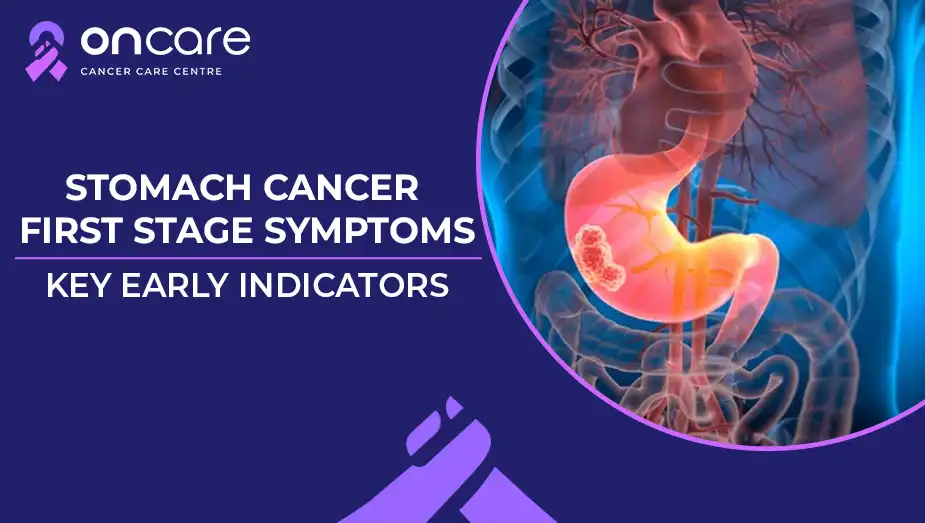
A lot of people don't pay attention to small stomach problems because they think they are just due to stress, bad eating habits, or being tired. But small signs can sometimes be the first sign of something bigger. Early-stage stomach cancer often hides behind very simple symptoms that look like normal digestive problems. This is why it's so important to know the stomach cancer first stage symptoms. When stomach cancer is caught early, treatment works better, patients have a better chance of getting better, and they can get back to living a healthy life more easily.
This article talks about the early signs, causes, ways to diagnose, and why getting medical help right away is so important in a simple and friendly way.
Getting to Know the First Stage of Stomach Cancer
When stomach cancer is in the first stage, it is still in the stomach's inner lining. It hasn't spread very far into the walls of the stomach or to other organs. At this point, the cancer is small and growing slowly, and treatments work much better.
The hardest part, though, is that the stomach cancer first stage symptoms are very mild and easy to mix up with common digestive problems. A lot of people don't realise something is wrong until the symptoms get worse. This is why it can be very helpful to know the early signs.
Common Signs of Stage One Stomach Cancer
The first stage usually has mild symptoms that come and go. Some people may only notice them after eating, while others may feel them all day. Here are the most common stomach cancer first stage symptoms, explained in simple terms.
A lot of people get indigestion that won't go away as their first sign. This includes feeling uncomfortable after eating, having a burning feeling, or heaviness in the stomach. Indigestion is a common problem, but if it lasts for weeks without getting better, it could be a sign of something more serious.
A mild stomach ache is another sign. This pain is not usually sharp. It feels more like a dull ache or pressure in the upper stomach. Some people say it feels like they are full, even when they haven't eaten much.
Bloating is a common early sign. A lot of people say that their stomach feels full after eating only a little bit. This might happen almost every day and get more noticeable over time.
Another sign of stomach cancer in its early stages is nausea. The nausea might not be too bad, but it could happen a lot, especially after meals. It might feel like the stomach can't digest food properly.
One of the most important stomach cancer first stage symptoms is a change in appetite. Someone might suddenly not want to eat anymore. Even foods you like may not taste good anymore. Over time, this could cause you to lose weight without meaning to.
Some people also feel weak or tired. This happens when the body doesn't get the nutrients it needs. The person may still feel tired even after getting enough sleep.
These symptoms can be caused by a lot of harmless things, but if they last more than two weeks, you should see a doctor for a proper checkup.
Why People Often Miss Early Symptoms
The main reason stomach cancer spreads without being noticed is that its early signs are very similar to those of common digestive problems. A lot of people think that spicy food, stress, gas, or acidity are to blame. Some people take over-the-counter drugs that may help with pain for a short time, but the symptoms usually come back.
Another reason is that stomach cancer's first stage symptoms don't hurt very much. The signs are mild, slow, and easy to miss. A lot of people wait until their symptoms get really bad before going to the doctor. By then, the cancer may have gotten worse.
People are more likely to get full treatment if they know the first signs of stomach cancer and act quickly.
Causes and Things That Make It More Likely
Anyone can get stomach cancer, but some people are more likely to get it than others. Long-term infection with Helicobacter pylori, a bacterium that affects the lining of the stomach, is one of the main causes. This infection can cause ulcers and swelling, which may slowly turn into cancer over the course of many years.
Having a family history of stomach cancer also raises the risk. You may need screening tests even before you show symptoms if a close family member has had this disease.
Some things about your lifestyle also play a role. Smoking, drinking too much alcohol, eating too many salty or processed foods, and having a bad diet can all make stomach problems and cancer more likely.
Age is another thing that can put you at risk. Most cases are in people over 50, but younger people can also get them.
People are more likely to notice stomach cancer first stage symptoms and get help sooner if they know about these risks.
How Doctors Find Early Stomach Cancer
If someone has stomach problems that don't go away, doctors may do some tests to figure out what's wrong. Endoscopy is the most common test. A thin tube with a camera is slowly pushed through the throat in this test to see inside the stomach. It helps doctors see any strange areas clearly.
Sometimes, doctors may also take a small piece of tissue from the stomach lining to look at it under a microscope. This is known as a biopsy. It helps to make sure that cancer cells are present.
You might also have blood tests, imaging tests like CT scans, and stool tests to learn more about the condition.
Finding stomach cancer in its early stages makes treatment easier and more likely to work. Early detection of stomach cancer first stage symptoms is very important because of this.
Ways to Treat First Stage Stomach Cancer
In general, treatment for stomach cancer in its early stages is less aggressive than treatment for later stages. Endoscopic resection is a procedure that can help many patients. This method lets doctors take out the cancerous area with an endoscope instead of having to do major surgery.
In some cases, part of the stomach may need to be taken out to make sure the cancer doesn't come back. This surgery works in a lot of cases because the cancer hasn't spread to other parts yet.
Some patients may also get chemotherapy or targeted therapy, especially if their cancer has certain traits that need extra help. These treatments kill any cancer cells that are still alive and stop new ones from growing.
Based on the patient's age, health, and stage of cancer, doctors choose the best treatment plan.
After Treatment, Staying Healthy
Patients need to see their doctor regularly after treatment to make sure the cancer doesn't come back. For long-term recovery, it's important to stay healthy. Eating healthy foods, keeping a healthy weight, not smoking, and managing stress all help the body heal faster.
After treatment, some people may notice changes in how their bodies digest food. Most patients slowly go back to their normal eating habits with the help of doctors and dietitians.
Emotional support is also very important. People can deal with fear and stress during recovery by talking to family, friends, or counsellors.
Why it's important to find things early
The chances of a full recovery are much higher when stomach cancer is found in the first stage. When cancer is found early, a lot of people live long and healthy lives after treatment. This is why knowing the stomach cancer first stage symptoms can really save lives.
People who pay attention to their bodies, notice changes, and get checkups on time often get the right treatment at the right time. Doctors have more options, and treatments work better when they find the problem early.
Consult Today
Stomach cancer is dangerous, but treatment works much better when it is found early. People can spot the warning signs of stomach cancer and get medical help right away if they know what the stomach cancer first stage symptoms are. If you have mild indigestion, bloating, changes in appetite, and unexplained tiredness that last for a long time, you should not ignore them. Taking action early leads to better results, a stronger recovery, and a healthier future. Oncare Cancer Hospital has state-of-the-art facilities, skilled doctors, and personalised support to help patients through every step of their journey.
Frequently Asked Questions
Not all the time. A lot of the time, the first signs are mild and feel like normal stomach problems.
Yes, with the right care, first-stage stomach cancer has a good chance of being cured.
They could last for weeks or even months. If the symptoms don't get better, you should see a doctor.
If you have stomach problems that last a long time, a family history of them, or risk factors like smoking, you should think about getting screened early.
Book an Appointment
Related Blogs
Stage 4 Stomach Cancer Survival Rate: Latest Insights & Statistics
Learn about stage 4 stomach cancer survival rate, factors affecting outcomes, and modern treatments like chemotherapy, immunotherapy, and targeted therapy.
Stage 2 Stomach Cancer Symptoms and How to Identify Them Early
Learn the key stage 2 stomach cancer symptoms, from persistent pain to early fullness, weight loss, and nausea. Know what to watch for and when to see a doctor.
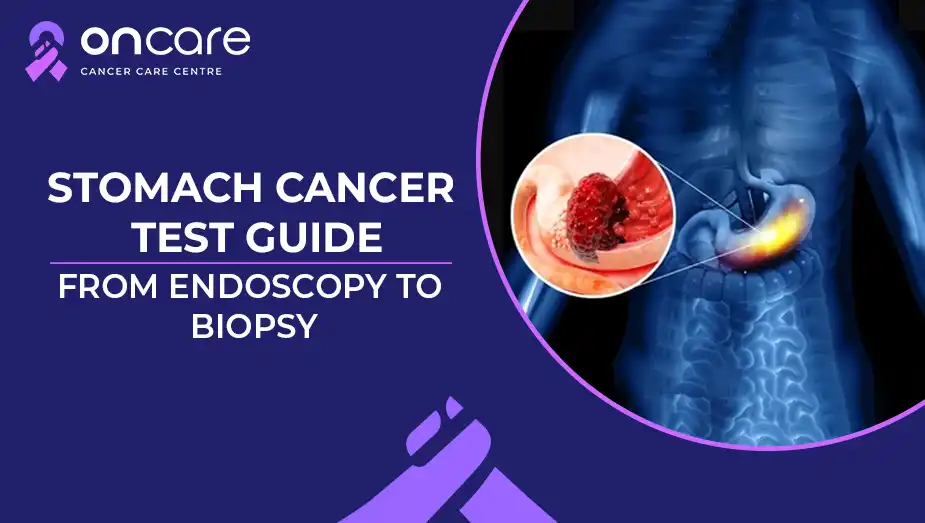
Stomach Cancer Test Guide: From Endoscopy to Biopsy
Learn how a stomach cancer test works, including endoscopy, biopsy, scans, and blood tests. Understand why early testing matters and when to get checked for stomach cancer symptoms.
Is Stage 4 Stomach Cancer Curable? Understanding Prognosis
Learn what stage 4 stomach cancer means, how it affects the body, treatment options, and life expectancy. Understand symptoms, emotional changes, and how families can support their loved ones during this stage.